
 Find a Store









Essential Jackets for Scottish Hill Walking in February
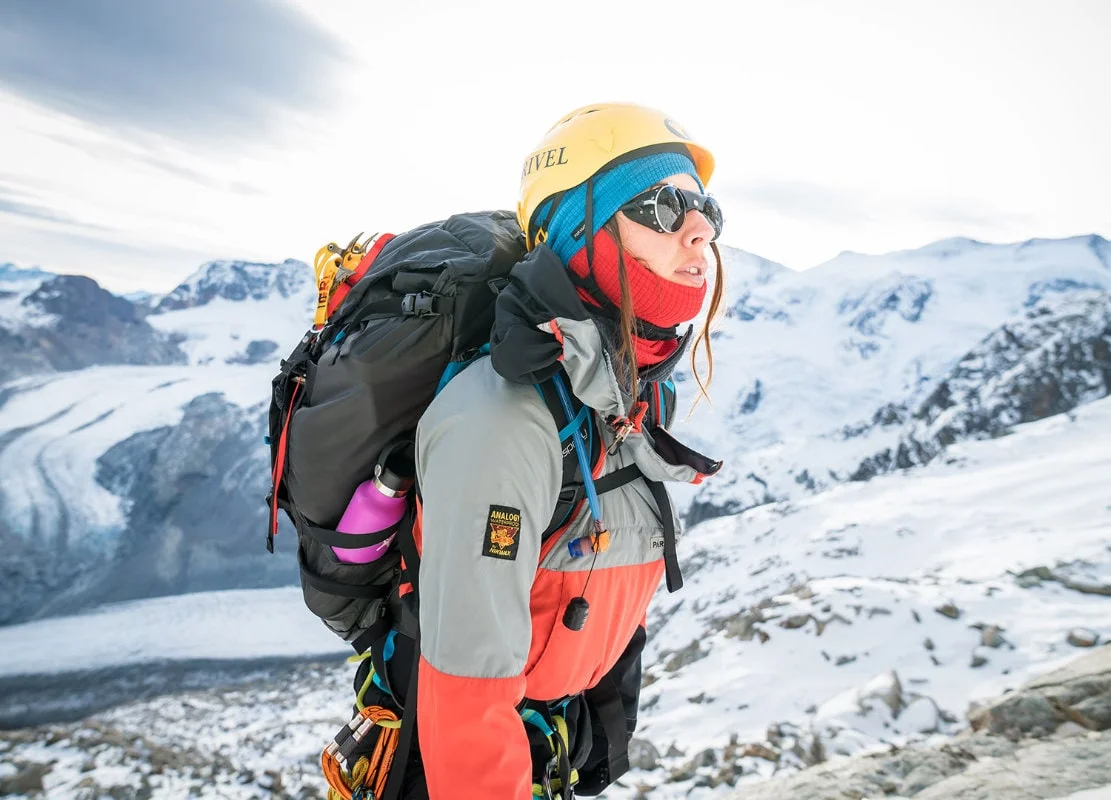
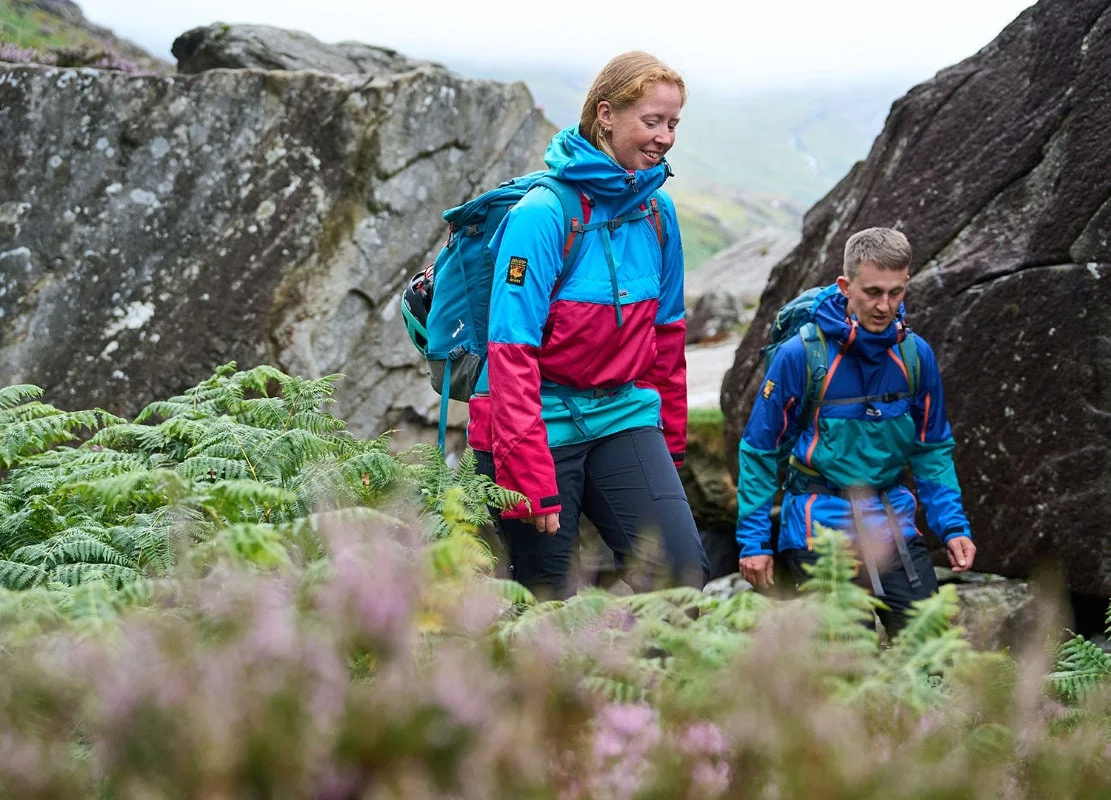
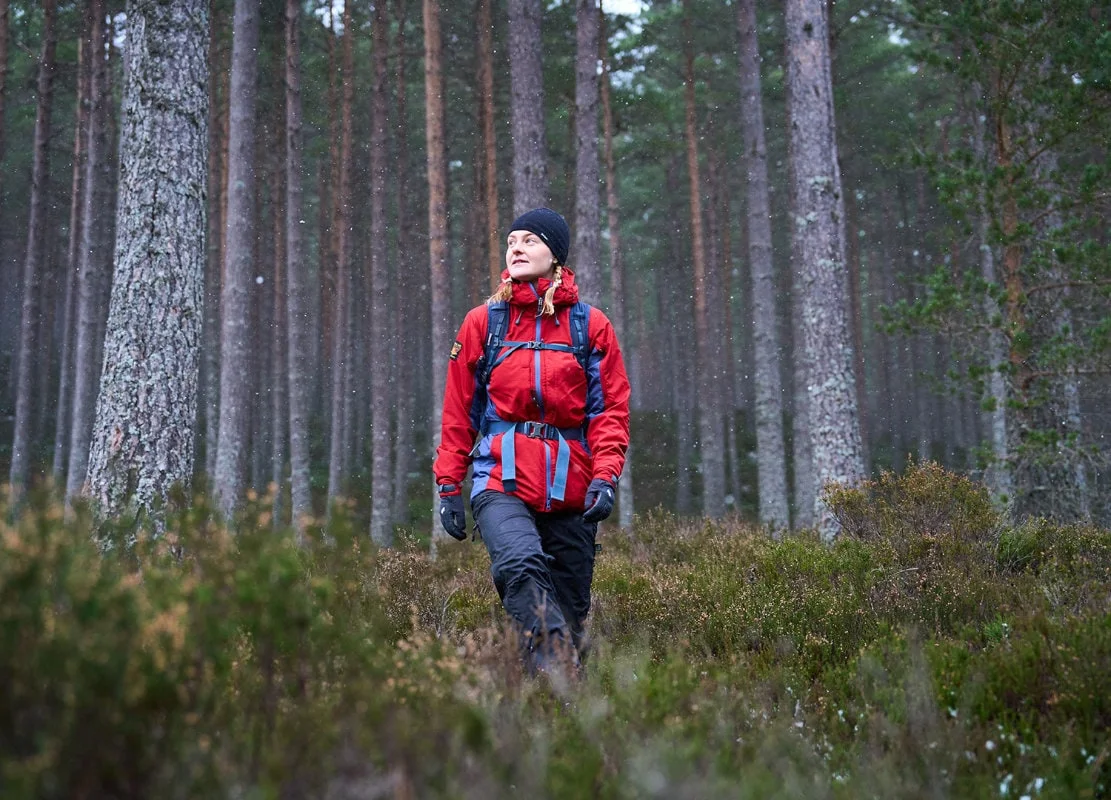
Scottish hill walking in February is not for the faint-hearted. Short days, rapidly changing weather, biting winds and a mix of rain, sleet and snow mean your choice of jacket can make or break the day. Whether you are tackling Munros, Corbetts or lower-level routes, the right outer layer is essential for staying warm and dry in winter conditions.
Páramo has long been associated with British hill walking and mountain environments, designing jackets specifically for prolonged use in cold, wet and windy conditions. In this guide, we look at what makes a jacket suitable for Scottish hill walking in February, the key features to prioritise and how to layer effectively for winter days in the hills.

Why February in Scotland Demands the Right Jacket
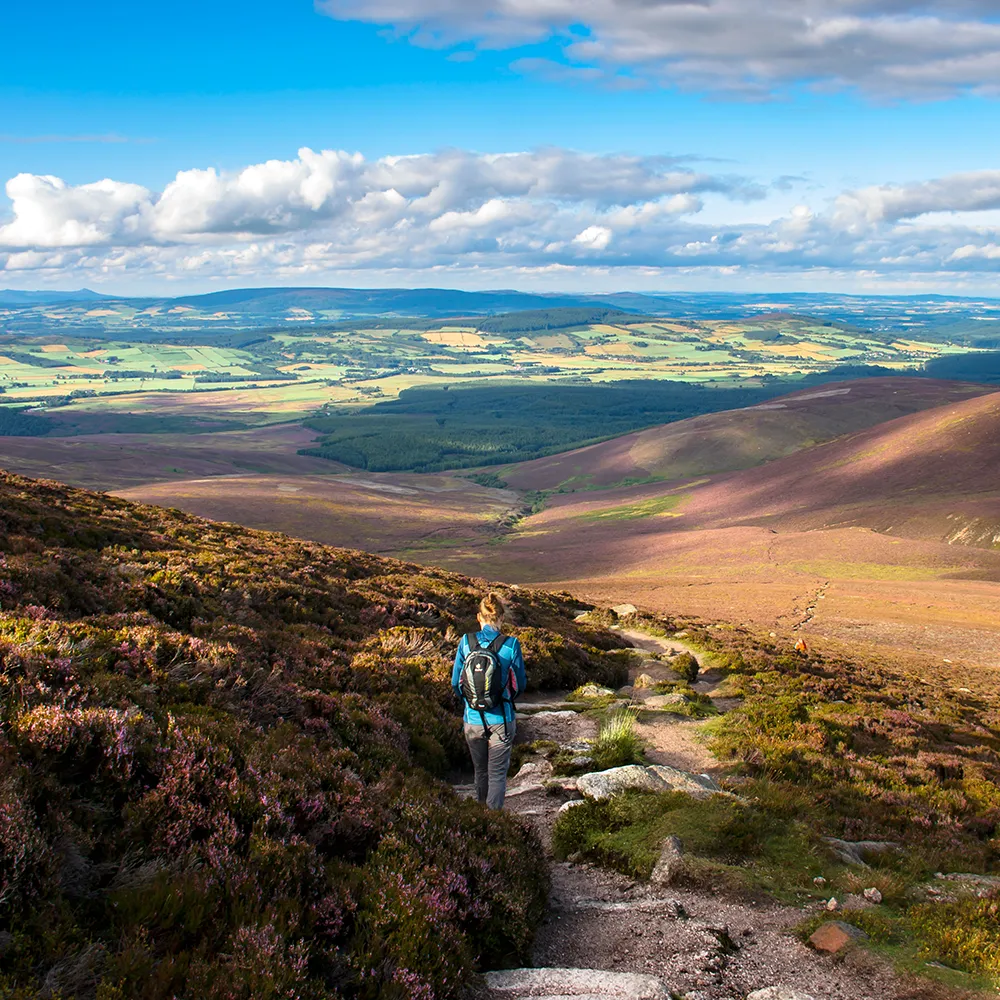
February often brings some of the most challenging conditions of the year in Scotland. You may encounter:
- Persistent rain or wet snow
- Strong winds and severe wind chill
- Temperatures hovering around freezing
- Rapid weather changes, even on short routes
A jacket for winter hill walking needs to do more than just keep rain out. It must manage moisture, block wind and keep you warm when you stop moving, all without causing overheating on steep ascents.This is why many experienced winter walkers favour jackets designed specifically for UK mountain conditions, rather than lightweight shells intended for occasional use. Páramo jackets, for example, are built around the idea of all-day comfort in sustained bad weather, reflecting the realities of Scottish winter hill walking.
Key Features to Look for in a Winter Hill Walking Jacket
1. Reliable Weather Protection for Long Days
Scottish weather is famously unpredictable. A good hill walking jacket should provide consistent protection from wind and rain over long days outdoors, rather than just short showers or emergency use.Páramo jackets use Directional Clothing technology, which combines a water-resistant outer fabric with a Pump Liner® that actively moves moisture away from the body. This approach is particularly effective in February conditions, where rain, sleet and sweat all need to be managed at the same time.
2. Effective Moisture Management
In winter, getting wet from sweat can be just as dangerous as getting wet from rain. A jacket that manages internal moisture helps reduce chilling during stops and improves overall comfort.
Look for features such as:
- Highly breathable fabrics
- Ventilation options, including zips and adjustable openings
- A design that works as part of an integrated layering system
Páramo clothing is designed to be worn for extended periods without needing to constantly remove or add layers, making it well suited to cold, windy Scottish hills.
3. Balanced Insulation for Cold Conditions
While some walkers prefer a shell-only approach, February conditions often call for built-in warmth, especially during slower sections, navigation stops or exposed ridges.Páramo jackets combine weather protection and insulation in a single garment, reducing the need for frequent clothing changes. The insulation is designed to provide warmth without excessive bulk, allowing freedom of movement while maintaining breathability during ascents.
4. Adjustable, Protective Hoods for Winter Weather
On exposed ridges and summits, a well-designed hood is essential. Look for:
- Full adjustability to seal out wind
- A structured peak to improve visibility in rain or snow
- A close fit that works with winter hats
Páramo hoods are designed to move with the head, which is particularly valuable in poor visibility and strong winds common on Scottish summits in February.
5. Practical Storage and Mountain-Focused Design
Winter hill walking often involves gloves, maps, snacks and navigation tools. Pockets should remain accessible when wearing a rucksack and be positioned for use in cold conditions.
Useful design details include:
- A longer cut for extra protection
- Adjustable cuffs and hem to seal out wind and rain
- Durable fabrics suitable for rough terrain and winter use
Páramo jackets are designed with practical hill use in mind, reflecting decades of testing and usage in British mountain environments.
Layering for Scottish Hill Walking in February
A jacket performs best as part of a complete system. For February conditions, consider:
- Baselayer: wicking and comfortable against the skin
- Mid layer: adds warmth while allowing moisture to move outwards
- Outer layer: protects from wind and rain while managing internal moisture
Many winter walkers favour Páramo’s system approach, which allows them to keep the same outer layer on all day, adjusting warmth through movement and ventilation rather than frequent clothing changes. This can be especially valuable in cold, windy Scottish conditions where stopping to change layers increases heat loss.


Choosing the Right Jacket for Your Walking Style
Think about how you typically walk in winter:
- Steady, long days: prioritise comfort, breathability and all-day weather protection
- Shorter, higher-intensity routes: lighter weight and good ventilation may matter more
- Frequent stops or navigation breaks: insulation and wind protection are critical
Scottish hills in February reward preparation. Choosing a jacket designed for sustained use in cold, wet conditions, such as those in the Páramo range.
Caring for Your Páramo Jacket in Winter Conditions
Winter weather is tough on outdoor clothing. To maintain performance:
- Clean jackets regularly with Nikwax to prevent dirt blocking breathability
- Follow Páramo’s care and washing guidance
- Reproof with Nikwax when when needed to maintain weather resistance
Well-maintained Páramo jackets continue to perform effectively over many seasons, making them a reliable choice for demanding winter hill walking.

FAQs: Jackets for Scottish Hill Walking in February
Do I need a waterproof jacket for Scottish hill walking in February?
Yes. Rain, sleet and wet snow are common, even in freezing conditions. A jacket designed for prolonged wet weather, such as a Páramo Directional jacket, is essential for comfort and safety.
Are Páramo jackets suitable for Scottish winter conditions?
Yes. Páramo jackets are designed specifically for cold, wet and windy environments and are widely used by hill walkers and outdoor professionals in the UK.
Is an insulated jacket better than a shell in winter?
It depends on your walking style, but many winter walkers prefer jackets that combine weather protection and insulation to reduce layering changes in cold, exposed conditions.
How breathable should a winter hill walking jacket be?
Very breathable. Managing sweat is critical in winter to avoid chilling during rest stops. Breathable systems like Páramo’s Directional Clothing help move moisture away from the body.
What jacket features matter most for Scottish winter hills?
Reliable weather protection, breathability, a well-designed hood and comfort during long days in challenging conditions are all key priorities.


