
 Find a Store











Ultimate Guide to Choosing a Waterproof Jacket for Winter Walking
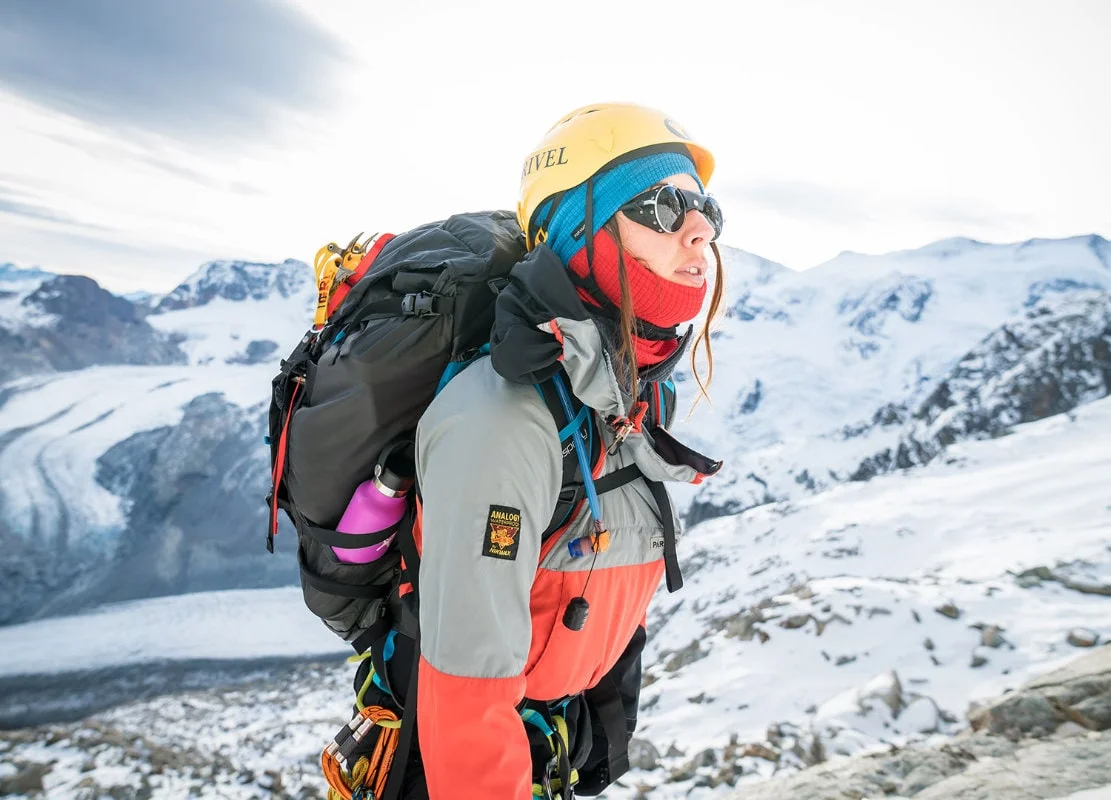
Winter walking in the UK places far greater demands on your waterproof jacket than almost any other time of year. Shorter daylight hours, persistent rainfall, cold temperatures and biting winds all combine to create challenging conditions on the trail. Your outer layer must do more than simply repel rain, it needs to keep you dry, regulate your body temperature and remain comfortable over long periods of sustained use. Choosing the right waterproof jacket isn’t just about convenience or comfort; in harsh winter weather, it can play a crucial role in keeping you safe.
What Makes a Jacket Truly Waterproof?
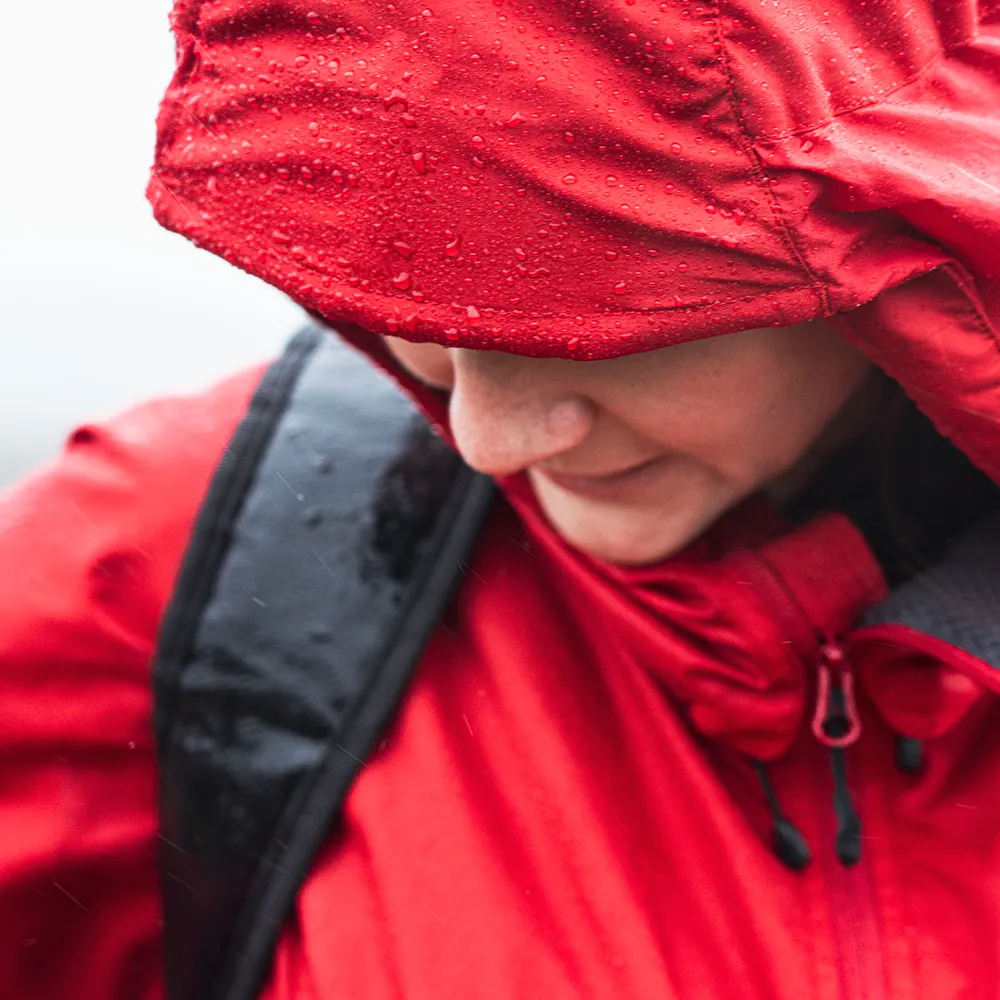
A genuinely waterproof jacket should offer reliable protection against prolonged exposure to rain, sleet and wet snow. Traditionally, waterproof performance is measured using a hydrostatic head rating, which indicates how much water pressure the fabric can withstand before moisture begins to seep through. Higher ratings generally mean better resistance to heavy or sustained rain.
However, waterproofing alone does not define a high-quality winter jacket. Just as important is breathability; the fabric’s ability to allow moisture vapour from perspiration to escape. During winter walks, it’s common to heat up quickly while climbing or moving at pace, then cool down rapidly during rest stops. A jacket that traps internal moisture can leave you damp, chilled and uncomfortable, increasing the risk of cold-related issues.
Breathability vs Insulation in Winter
A common misconception is that a winter waterproof jacket needs to be thickly padded or heavily insulated. In practice, many experienced winter walkers rely on a flexible layering system. In this approach, the waterproof jacket acts as a protective outer shell, while warmth is adjusted using mid-layers such as fleeces or insulated jackets underneath.
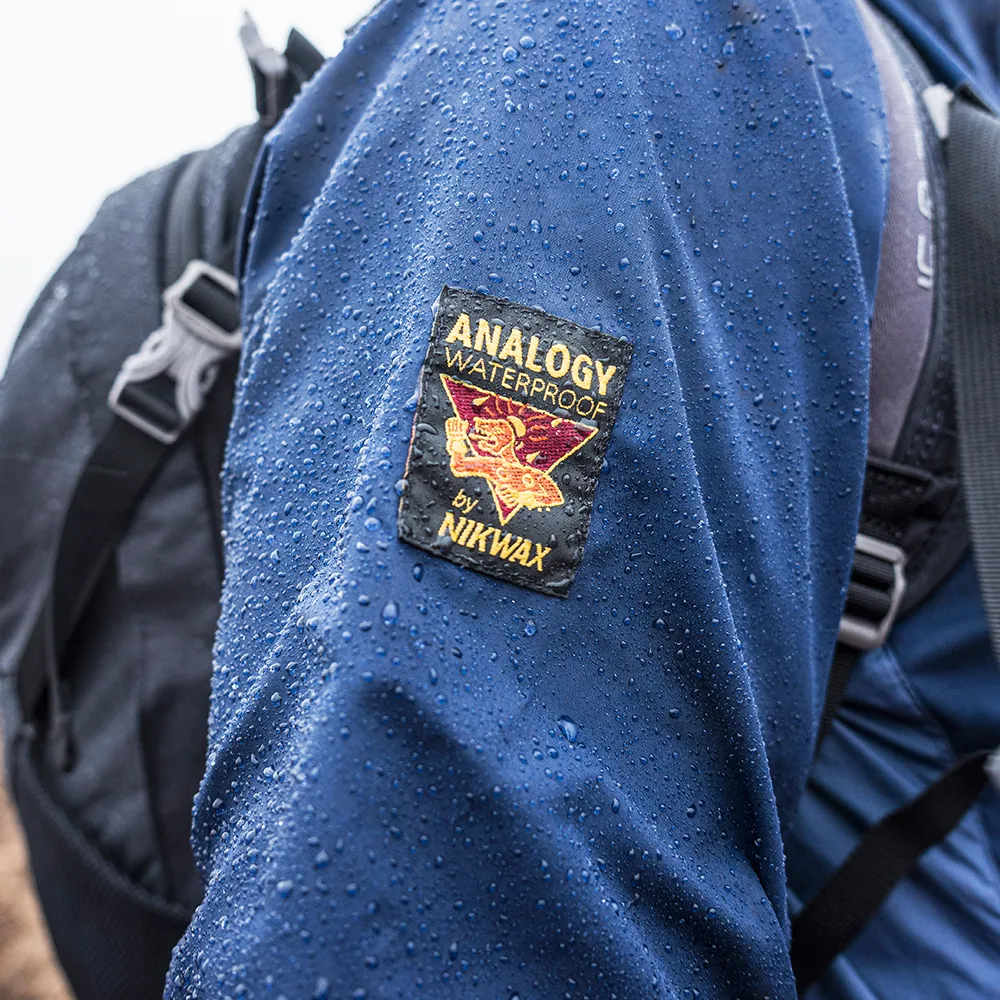
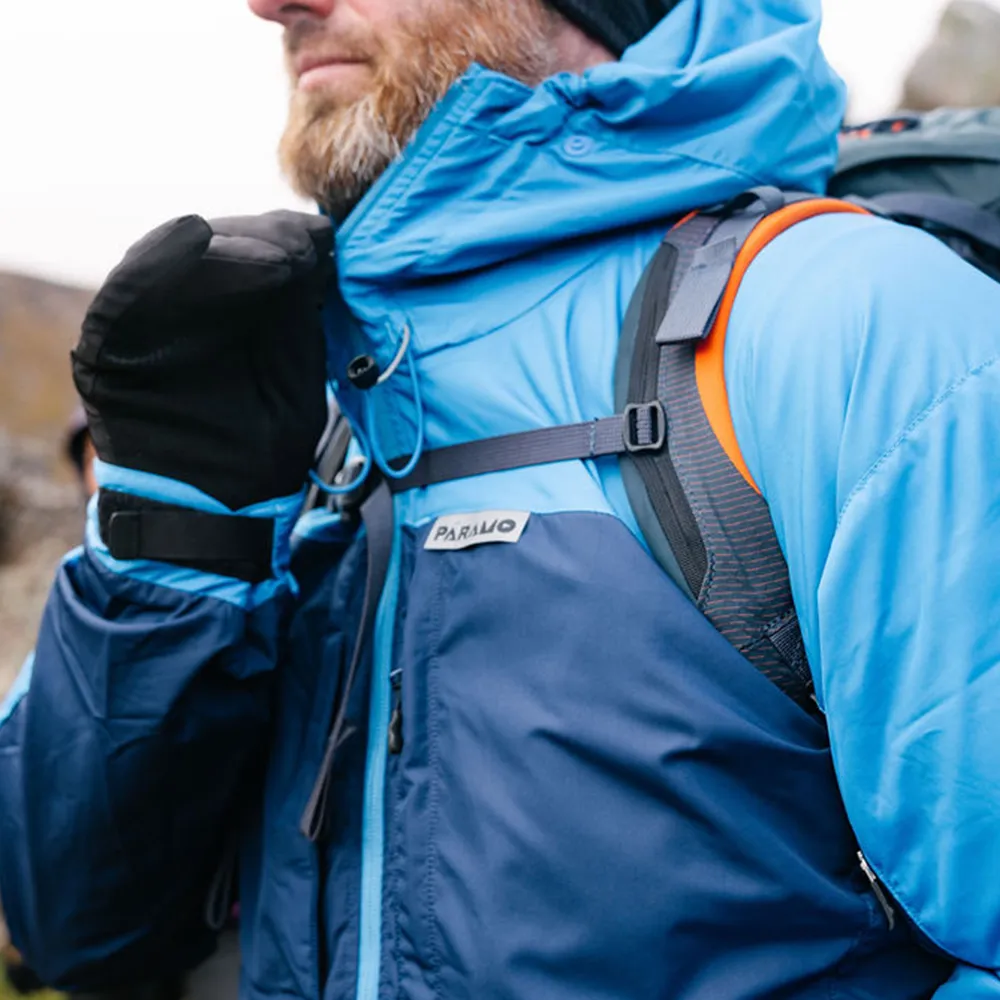
Páramo jackets are often highlighted for their performance in winter conditions thanks to the Nikwax Analogy system. This directional fabric technology actively moves moisture away from the body while remaining windproof and waterproof. As a result, these jackets often feel warmer than conventional shell jackets, not because they are heavily insulated, but because they manage condensation so effectively. This makes them particularly well suited to the cold, damp and changeable weather commonly experienced across the UK.
Fit, Features and Practical Design
When choosing a waterproof jacket for winter walking, thoughtful design features can make a significant difference. Look for:
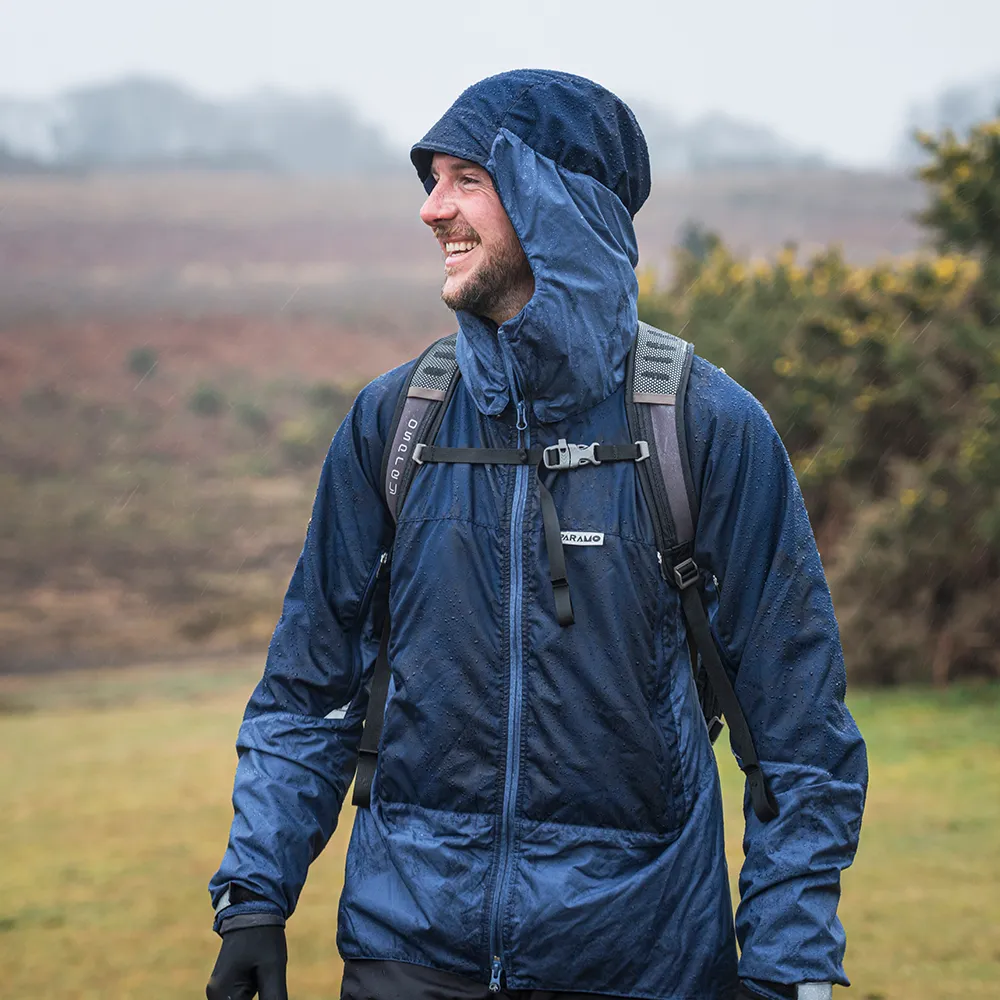
- Adjustable, well-structured hoods that can be worn over warm hats or helmets
- Storm flaps, water-resistant zips and fully sealed seams to prevent water ingress
- A longer cut at the hem for added protection from wind, rain and spray
- Well-placed, accessible pockets that remain usable when wearing a rucksack or thick gloves
Equally important is fit. A good winter jacket should allow full freedom of movement for scrambling or using poles, while still sealing out the elements and accommodating multiple layers underneath.
Seasonal Considerations for UK Winter
UK winters tend to be damp and blustery rather than deeply cold or snow-heavy, particularly at lower altitudes. As a result, effective waterproofing often matters more than extreme insulation. Breathable waterproof jackets are especially valuable during milder winter days when rain, drizzle and high humidity are more likely than heavy snowfall. In these conditions, managing moisture – both from the outside and inside – is key to staying comfortable.
Trends in Waterproof Jackets
Sustainability has become an increasingly important factor in outdoor clothing design. Brands such as Páramo place strong emphasis on repairable garments, PFC-free waterproof treatments and ethical manufacturing practices. More walkers are now choosing jackets designed for longevity, opting for durable, maintainable products that can be worn for many seasons rather than frequently replacing lower-quality alternatives. This shift reflects a growing awareness of environmental impact as well as long-term value. Take a look at Páramo’s waterproof jacket guide to help find your perfect jacket.
FAQs: Choosing a Winter Waterproof Jacket
What waterproof rating is best for winter walking?
For UK winter walking, a jacket with a minimum hydrostatic head rating of 10,000mm is generally suitable, though comfort, breathability and design features are just as important as the number itself.
Are waterproof shells warm enough for winter?
On their own, waterproof shells mainly provide protection from wind and rain. Warmth comes from insulating layers worn underneath.
Is breathability important in cold weather?
Yes. Sweat that cannot escape can cool rapidly when you stop moving, leaving you feeling colder and more uncomfortable.
Can one jacket work all year round?
Some waterproof jackets are versatile enough for year-round use when combined with appropriate seasonal layers. Take a look at Páramo’s waterproof jacket guide to help find your perfect jacket.
Why are Páramo jackets popular for winter walking?
They are known for excellent moisture management, long-term durability and consistent comfort in cold, wet and windy conditions.


