
 Find a Store









Winter Hiking Challenges in the UK: Staying Warm and Dry
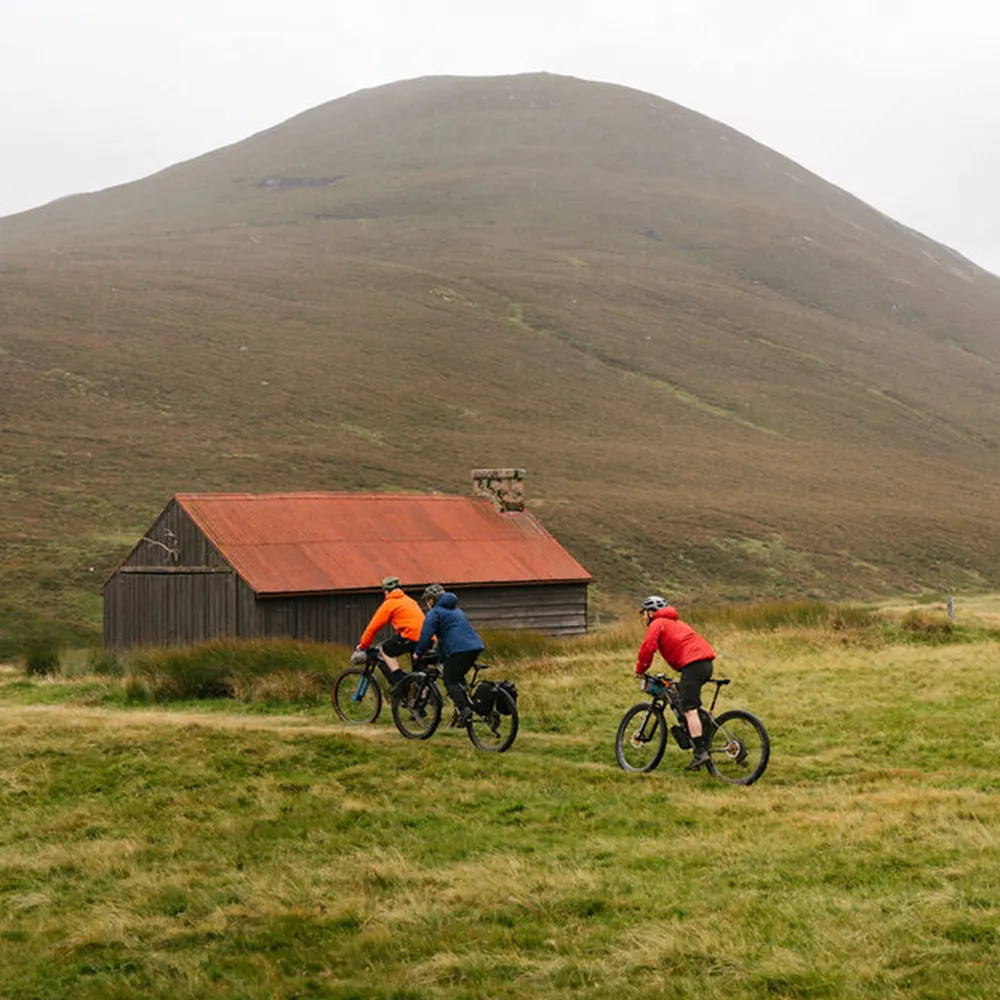
Winter hiking in the UK presents a distinct set of challenges that go well beyond simply dealing with low temperatures. Persistent moisture, strong winds and rapidly changing weather patterns can quickly transform an enjoyable day on the hills into an uncomfortable or potentially dangerous experience. Successfully managing these conditions requires careful planning, appropriate clothing and a clear understanding of how the body responds to cold and wet environments.
The Reality of UK Winter Weather
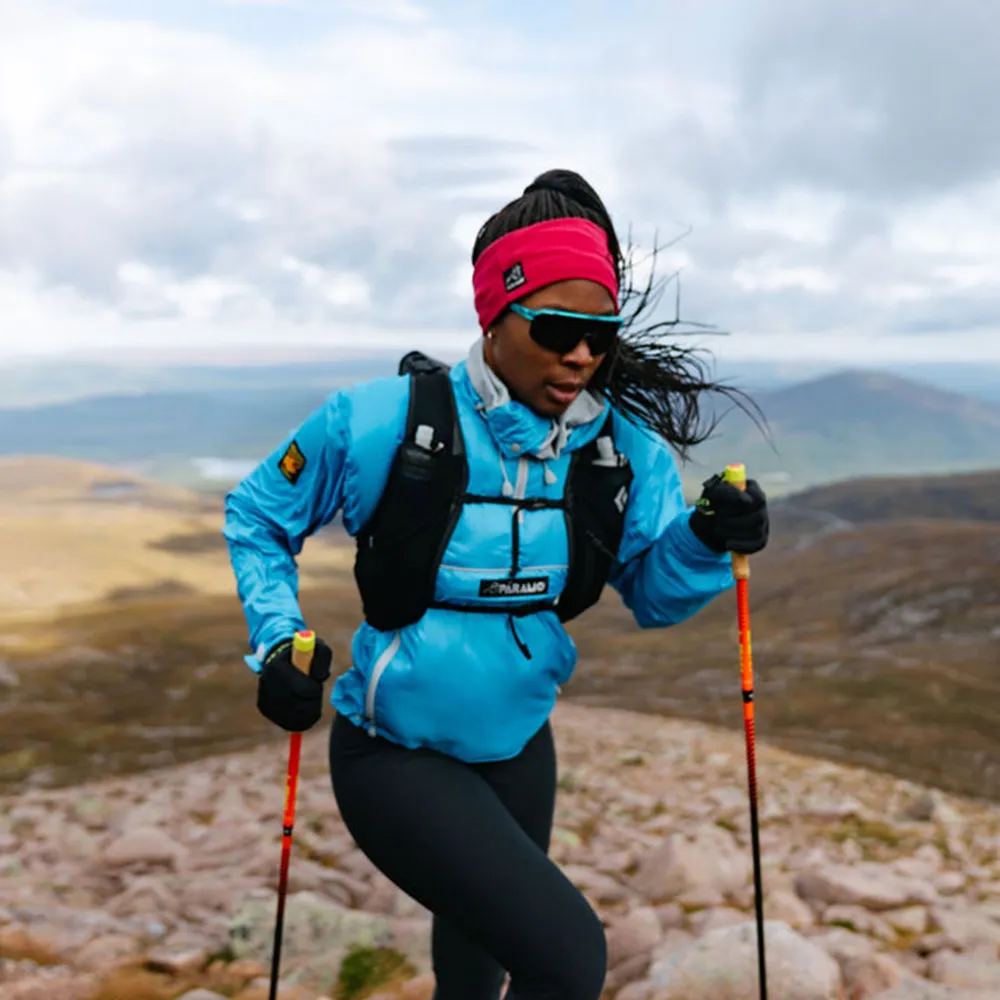
Unlike alpine or continental climates, UK winters are typically characterised by dampness rather than deep cold. Walkers are more likely to encounter:
- Frequent and prolonged rainfall
- High levels of humidity that prevent quick drying
- Strong, gusty winds, particularly in upland areas
- Boggy, waterlogged and saturated ground underfoot
These factors combine to make staying dry one of the biggest challenges of winter hiking. In many cases, remaining dry is actually harder and more important than simply staying warm, which is why clothing and footwear choices play such a critical role.
Wind Chill and Heat Loss
Wind dramatically increases the rate at which the body loses heat, especially on exposed ridges, plateaus and summits. Even relatively mild air temperatures can feel severe when wind and rain are added to the equation. This effect, known as wind chill, can rapidly lower core body temperature and increase the risk of hypothermia.
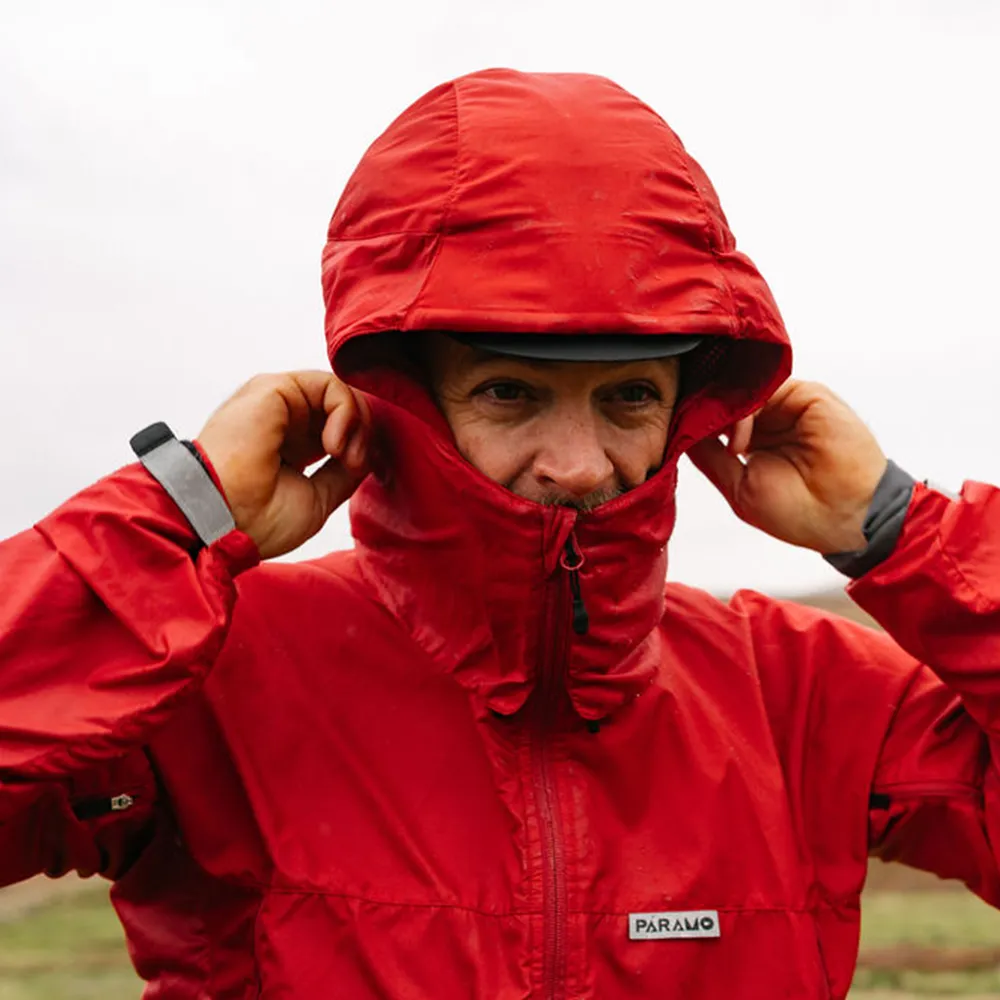
A well-designed windproof and waterproof outer layer is essential for winter hiking in the UK. By blocking wind and preventing rain penetration, a good shell jacket helps preserve body heat and reduces the speed at which you cool down when conditions deteriorate.
Moisture Management on the Move
Winter walking often involves alternating periods of high exertion and low activity. Steep climbs generate heat and sweat, while descents, navigational stops or lunch breaks can lead to sudden cooling. If moisture is trapped inside your clothing, it can chill the body quickly once movement slows.
Effective moisture management actively moving sweat away from the skin is therefore crucial for maintaining a stable body temperature. Páramo’s directional clothing systems are specifically designed to push moisture outward, even during low levels of activity. This helps hikers stay warmer not only while walking, but also during pauses and rest periods, when heat loss is most noticeable.
Footwear and Accessories Matter
Staying warm and dry in winter isn’t just about choosing the right jacket. Your overall comfort and safety depend on a complete system that includes footwear and accessories:
- Waterproof boots with reliable grip help manage muddy paths, wet rock and icy patches
- Gaiters provide an extra barrier against water, mud and snow entering your boots
- Insulated gloves, warm hats and neck gaiters significantly reduce heat loss from exposed areas
Small items like gloves and hats can make a surprisingly large difference, as extremities are often the first parts of the body to feel the cold.
Seasonal Safety Considerations
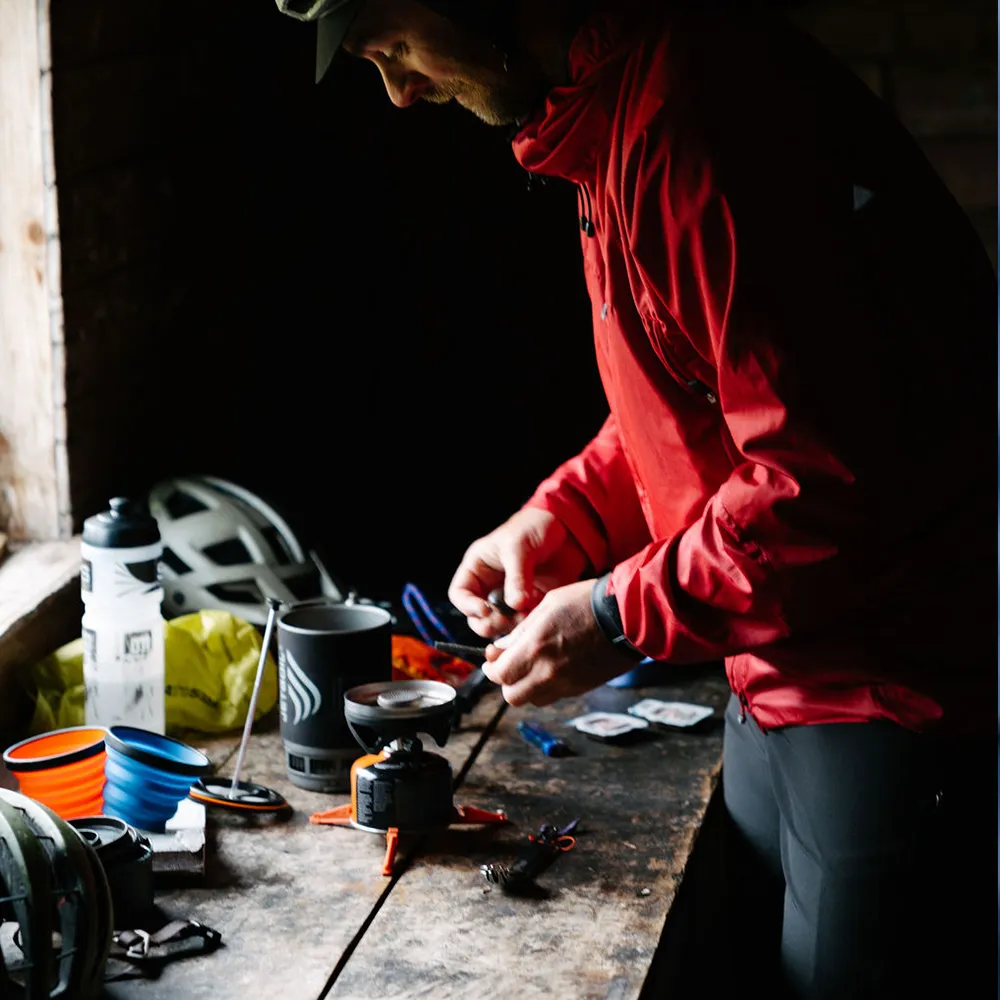
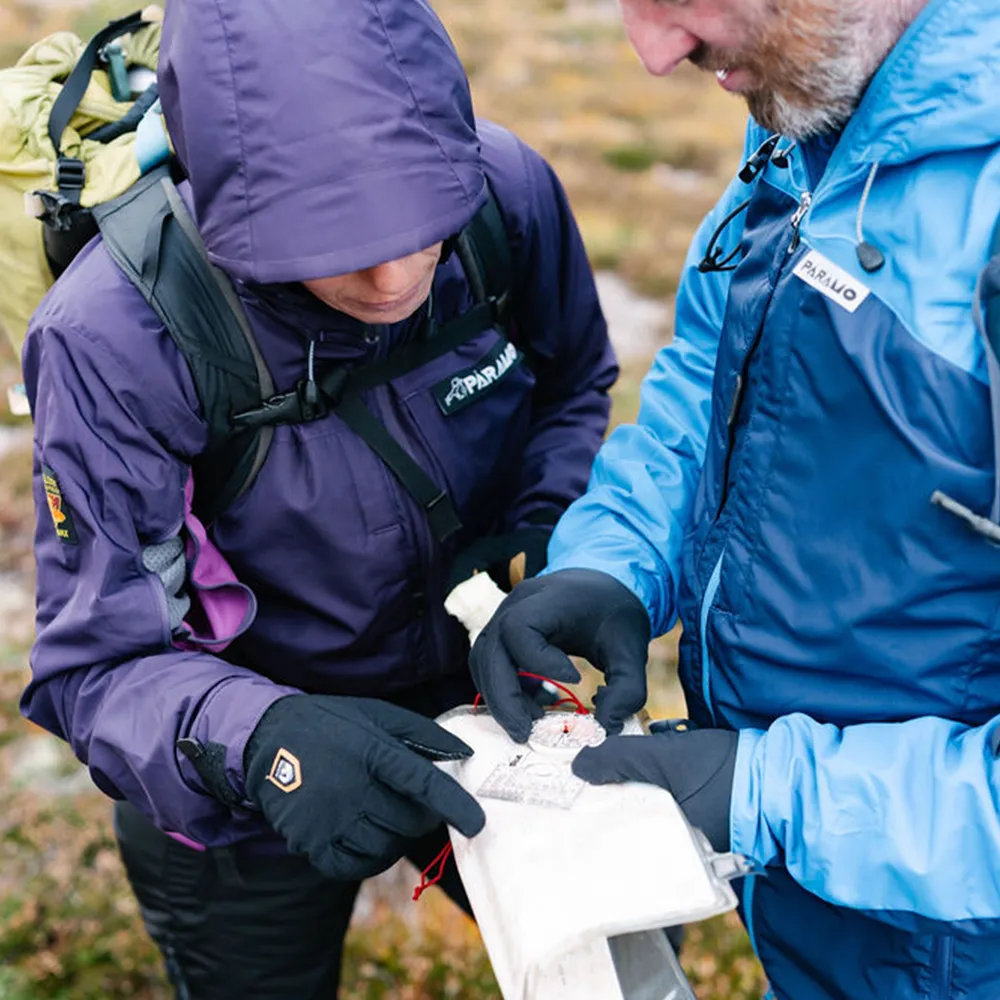
Short daylight hours in winter mean less margin for error. Careful route planning and time management are essential to avoid being caught out after dark. Carrying spare layers, a head torch with fresh batteries and emergency insulation such as a lightweight bivvy or insulated jacket can make a critical difference if plans change or conditions worsen.
Winter hikers should also be prepared for sudden weather shifts, as forecasts can change quickly in upland areas.
Current Trends in Winter Hiking Gear
There is growing interest among UK walkers with all-weather clothing systems rather than single-purpose garments. Versatile layers that perform well across a wide range of conditions are increasingly valued. At the same time, awareness of the environmental impact of outdoor equipment is rising. As a result, repairable, durable and long-lasting clothing is becoming more popular, with many hikers choosing quality pieces designed to withstand years of regular use.
FAQs: UK Winter Hiking Challenges
What is the biggest challenge of winter hiking in the UK?
Persistent wet weather combined with strong winds is the main challenge. Together, they increase heat loss and make it harder to stay comfortable for long periods.
How do I avoid getting cold when I stop?
Use breathable layers that move moisture away from your skin, and put on an extra insulating layer as soon as you stop walking.
Is waterproof clothing always necessary in winter?
Yes. Rain, sleet and wet snow are common throughout UK winters, even on relatively mild days, making waterproof protection essential. If you are looking for a waterproof jacket, take a look at Páramo’s jacket guide to help find your perfect waterproof jacket.
How can I prepare for changing conditions?
Check forecasts carefully, plan shorter daylight routes and carry spare layers in case the weather deteriorates.
Why is moisture management so important?
Moisture trapped in clothing increases heat loss, causing you to feel colder and more uncomfortable once your activity level drops.


