Find a Store









Waterproof Jackets: What to Choose This Spring
Spring is one of the most enjoyable seasons to spend time outdoors. Longer days, milder temperatures and emerging wildlife make it perfect for walking, hiking and exploring. However, spring weather rarely stays consistent for long. One moment you may be enjoying clear skies and sunshine and the next you’re caught in wind or rain.
This is why choosing the right waterproof jacket is essential. A good jacket protects you from the elements while keeping you comfortable in changing conditions. Whether you are planning countryside walks, weekend hikes or just general time outdoors, the right waterproof layer can make a significant difference to your overall experience. Here is what to consider when choosing a waterproof jacket this spring…
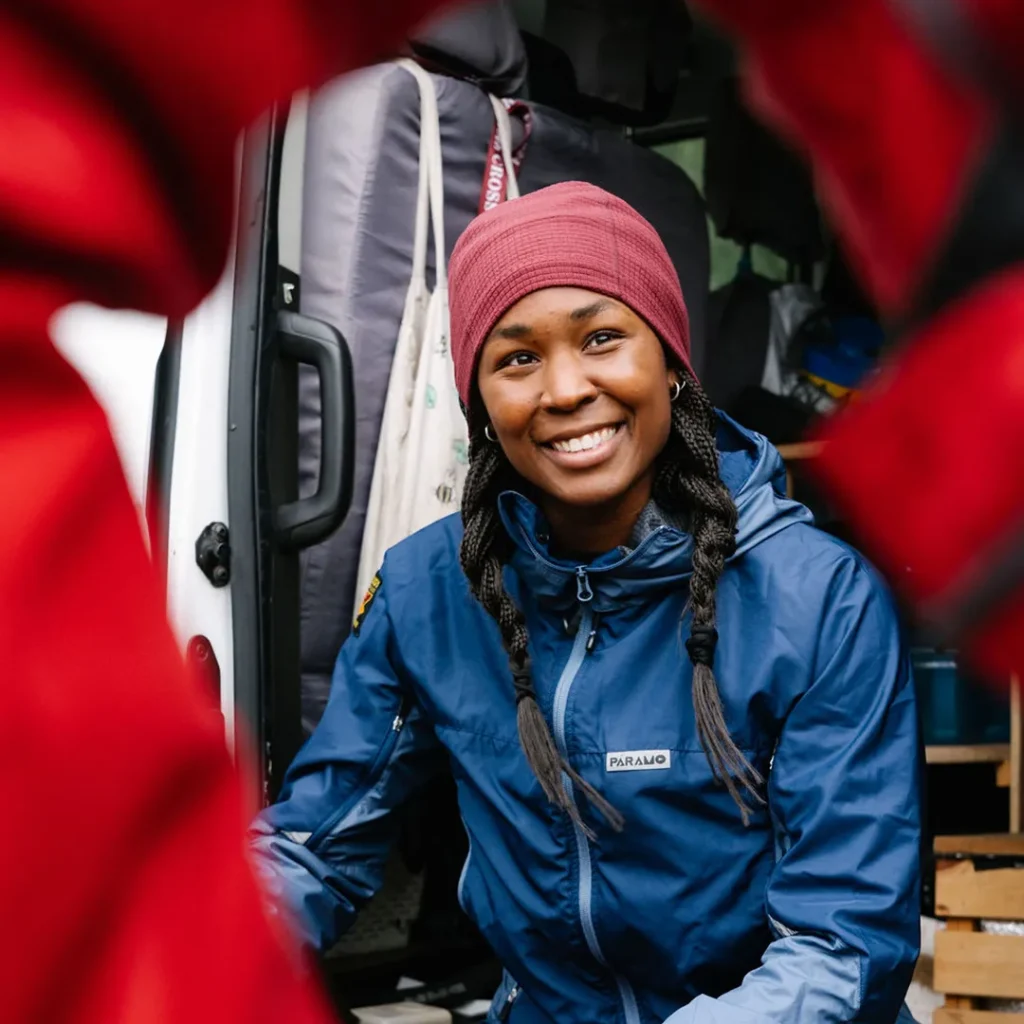
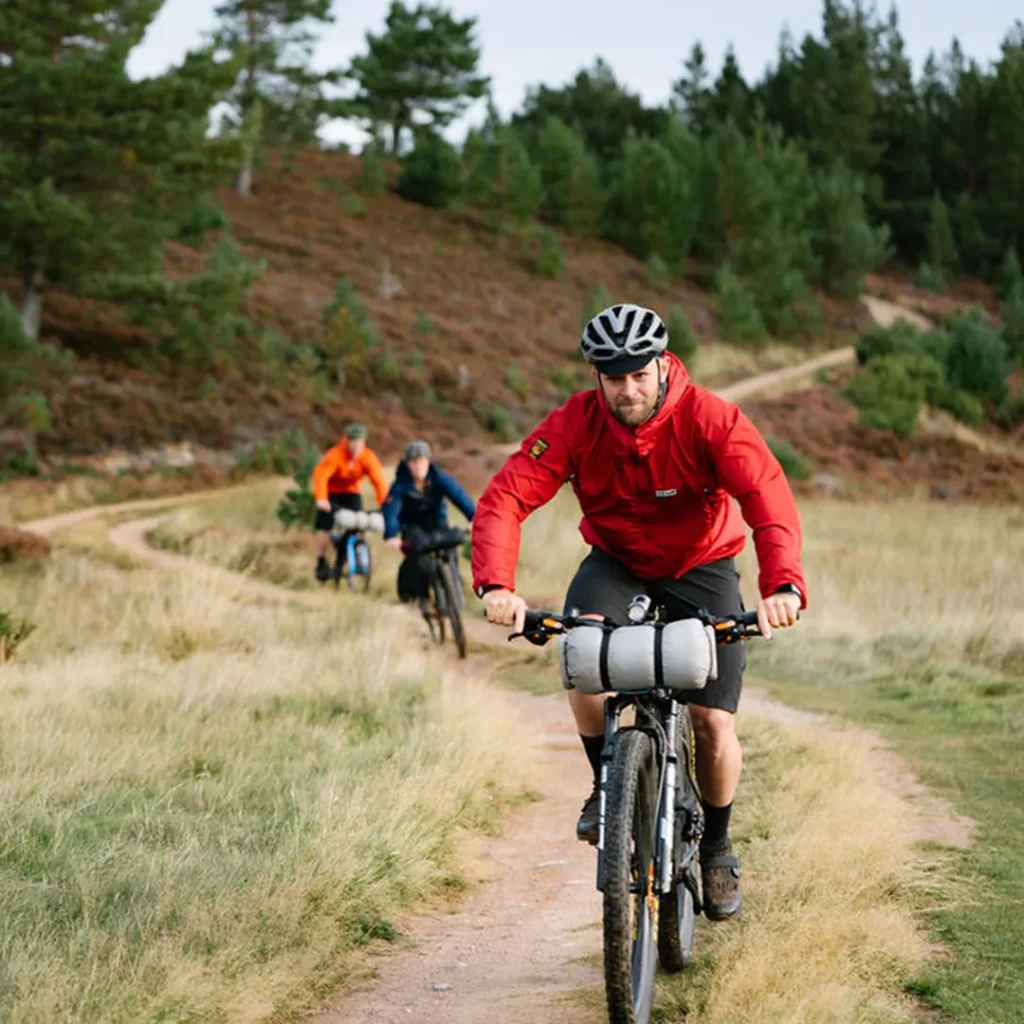
Understanding Spring Weather Challenges
Spring weather is often unpredictable. Temperatures fluctuate throughout the day and rainfall can arrive without much warning. Even light showers can become uncomfortable if you are not properly protected.
A waterproof jacket helps maintain your comfort and warmth when the weather turns. It acts as a protective barrier against rain and wind while allowing your body to regulate heat during physical activity.
Outdoor clothing specialists such as Páramo design jackets that balance weather protection with breathability. This balance is particularly important in spring when the weather can change quickly and walkers often move between warm and cool environments during a single outing. Choosing a jacket that performs well in changeable conditions ensures you stay dry without overheating.
Waterproof vs Water Resistant
One of the most common questions people ask when choosing outdoor clothing is – what is the difference between waterproof and water resistant jackets?
Water resistant jackets generally provide protection in light rain but they are not designed for prolonged exposure to wet weather. They may work well for short commutes or during brief showers but can quickly become saturated during longer journeys and in heavier rain.
Waterproof jackets, on the other hand, are built to withstand sustained rainfall. They use specialised fabrics and construction techniques to prevent water from penetrating the material.
For spring walking, hiking or general outdoor activity, a fully waterproof jacket is usually the more reliable choice.
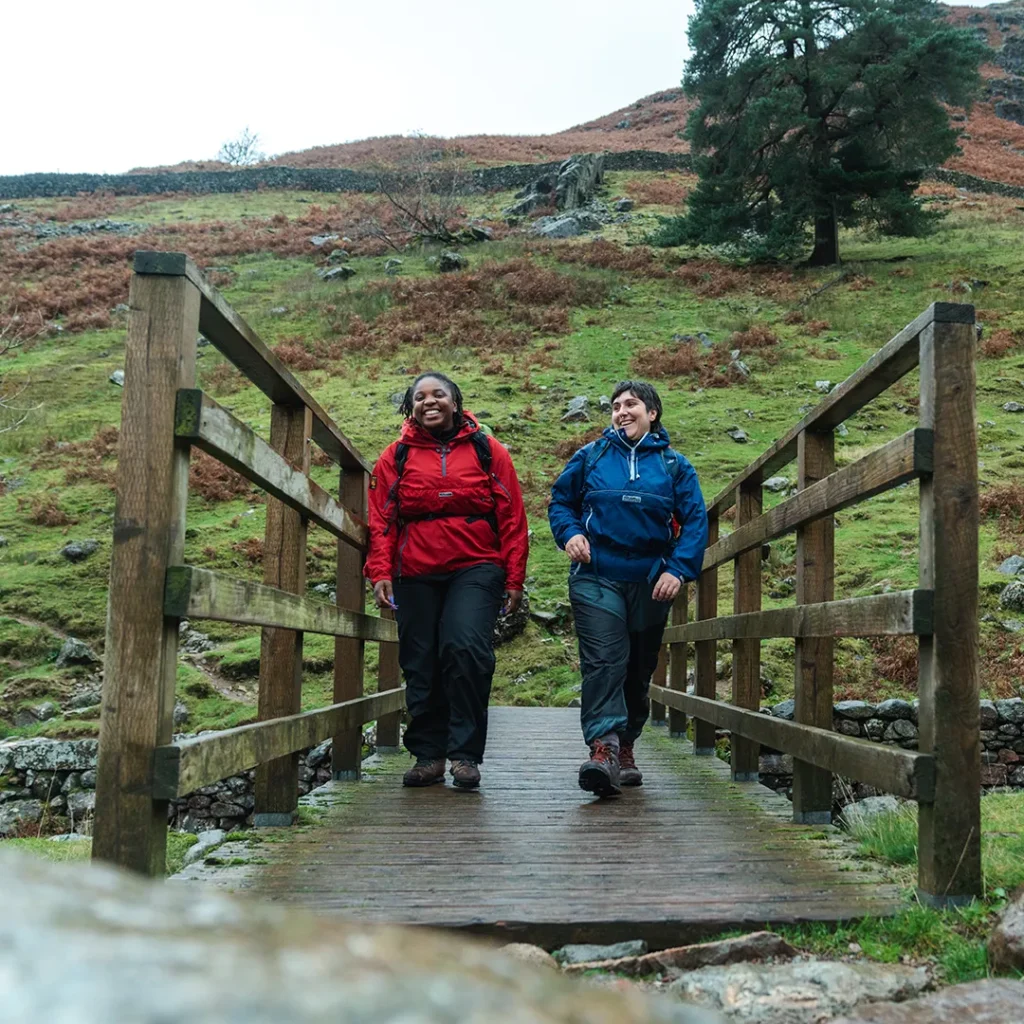
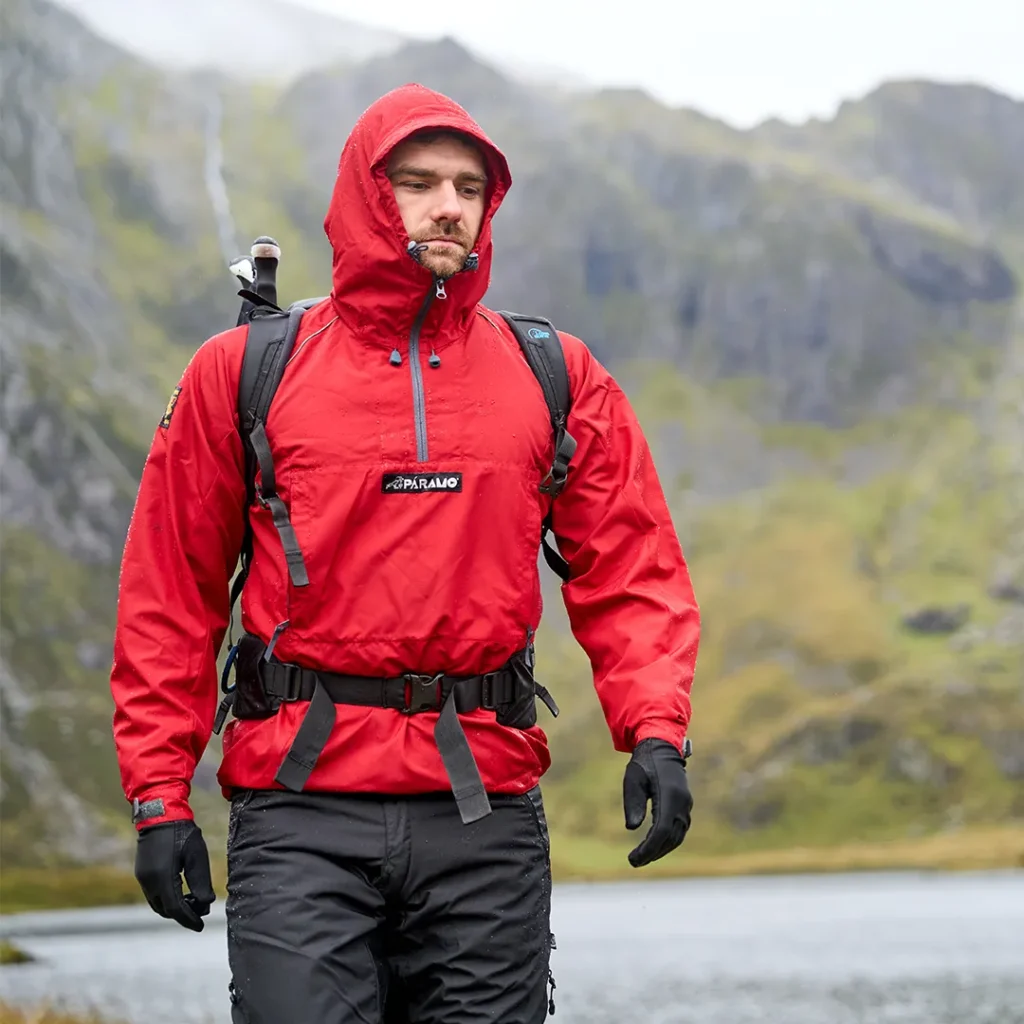
Breathability Matters
While keeping rain out is essential, breathability is just as important when selecting a waterproof jacket. Physical activity generates heat and moisture and if that moisture cannot escape, the inside of the jacket can feel damp and uncomfortable.
Breathable jackets allow water vapour from sweat to escape while also stopping external moisture (rain) from getting in. This helps regulate your body temperature and prevents the clammy feeling that can occur with less advanced waterproof layers.
If you plan to use your jacket during active pursuits such as hiking, cycling or hill walking, breathability should be a key feature to look for.
Fit and Layering
Spring weather can change dramatically between morning and afternoon. A jacket that works well with layers underneath it gives you greater flexibility when adjusting to these changes.
Look for a jacket with enough room to comfortably fit a baselayer and mid layer beneath it. Equally, it should not be so loose that it allows cold air or rain to creep in.
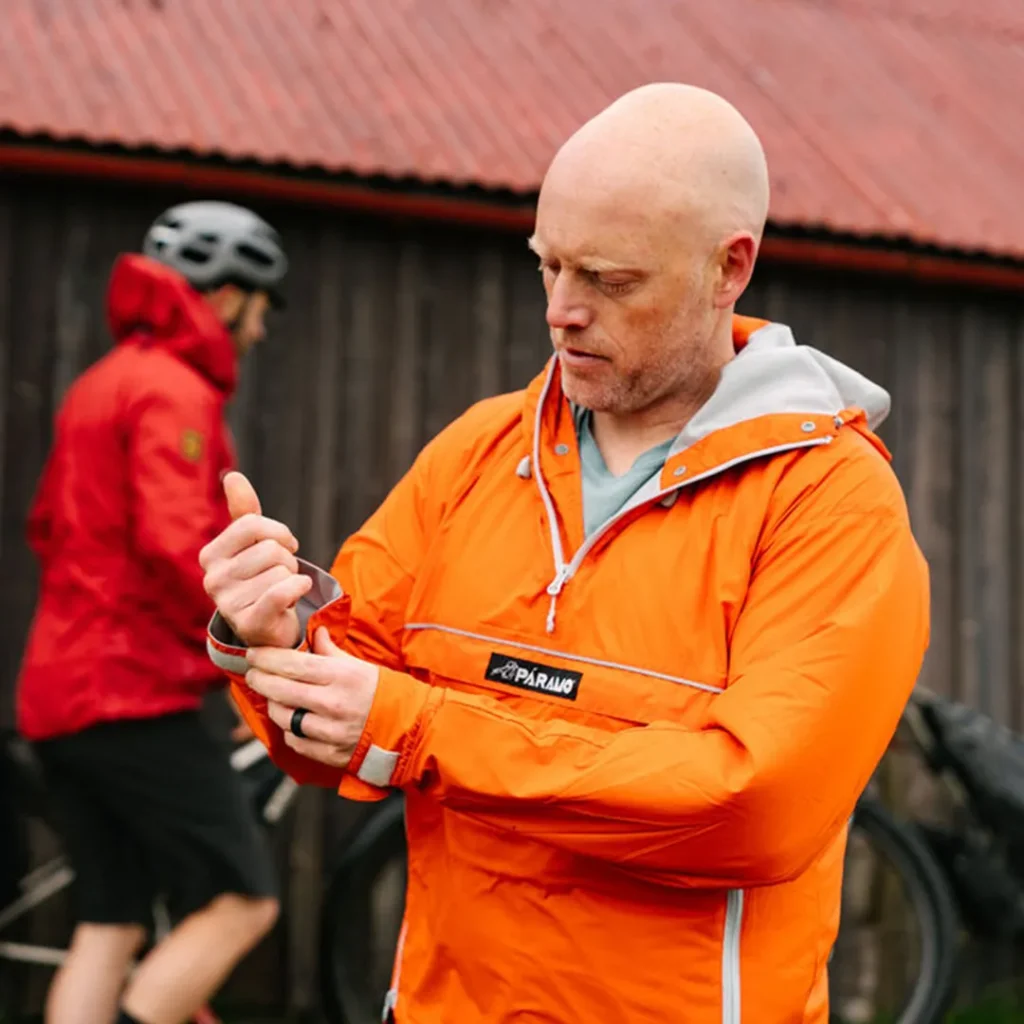
Adjustable cuffs, hems and hoods help create a better seal against the elements. These features also allow you to fine tune fit depending on the weather conditions you encounter during your walk.
A well fitted jacket will feel comfortable throughout the day.

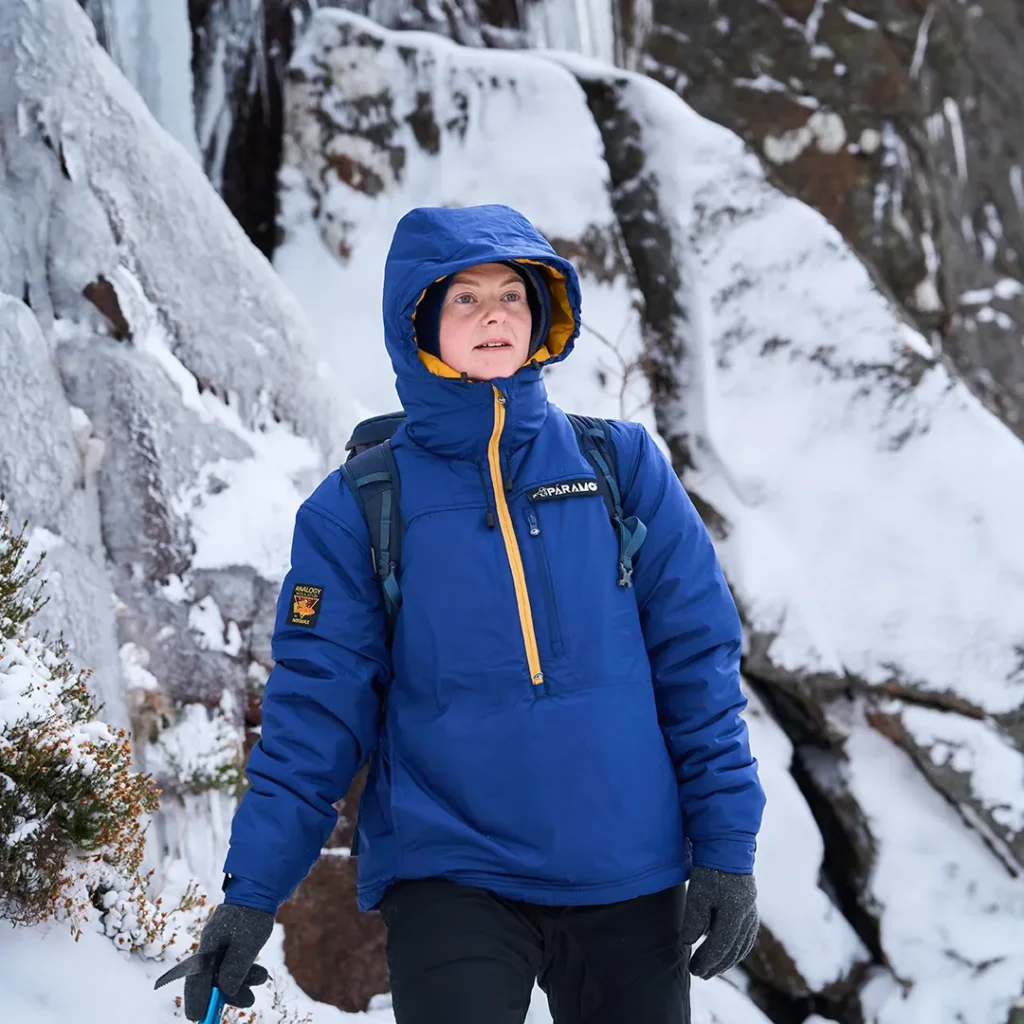
Hood Design and Visibility
A good hood can significantly improve the performance of a waterproof jacket. During spring showers or in windy conditions, a well designed hood protects your head and face while maintaining visibility.
Look for hoods that can be adjusted around the face and head. This helps to stop rain blowing in while preventing the hood from obstructing your view.
Some jackets also feature structured or wired peaks which help channel water away from your face. These details may seem small but they make a noticeable difference when walking in wet weather.
If you frequently explore open landscapes such as the Lake District National Park, having a reliable hood can be particularly valuable when wind and rain pick up quickly.
Durability and Long Term Use
A waterproof jacket should be viewed as a long term investment rather than a disposable item. High quality materials and construction ensure your jacket continues performing well over time.
Reinforced seams, durable fabrics and strong zips all contribute to the longevity of a jacket. These features help it withstand repeated use in outdoor environments without losing its protective qualities.
Many outdoor enthusiasts prefer jackets that are easy to maintain and repair. Proper care, including cleaning and reproofing when necessary, helps extend the life of your waterproof clothing and keeps it performing effectively year after year.


Sustainability and Responsible Design
Sustainability has become increasingly important within the outdoor industry. Many brands are now focusing on responsible manufacturing processes and longer lasting products that reduce environmental impact.
Choosing a durable jacket that performs well for many years can reduce waste and lower the need for frequent replacements. Some outdoor clothing brands, such as Páramo, also prioritise repair services, recyclable materials and ethical production methods.
For outdoor enthusiasts who value both performance and sustainability, these considerations can play and important role when choosing new gear.
Comfort for Everyday Adventures
While performance is important, comfort should never be overlooked. A waterproof jacket should feel comfortable enough to wear throughout the day whether you are exploring trails, commuting to work, or travelling.
Lightweight designs often work well for spring because they provide protection without feeling overly heavy or restrictive. Many people also appreciate jackets that pack easily into a backpack when the sun returns.
Ultimately, the best waterproof jacket is the one that suits your lifestyle and encourages you to spend more time outdoors regardless of the weather.

Choosing the Right Jacket for Spring
Spring adventures often involve a mix of sunshine, wind and rain. Having the right waterproof jacket ensures you are prepared for each of these conditions.
Focus on features that support comfort and performance such as breathability, reliable waterproof protection and a flexible fit that works with layers. Investing in a well designed jacket will make outdoor activities more enjoyable and allow you to explore confidently even when the weather changes.
With the right gear in your pack or on your back, spring becomes the perfect season to step outside and experience everything the great outdoors has to offer.
FAQs: Waterproof Jackets, What to Choose This Spring
What makes a jacket truly waterproof?
A waterproof jacket uses specialised materials and sealed seams that prevent water from penetrating the fabric even during prolonged rainfall.
Are lightweight waterproof jackets suitable for spring?
Yes. Lightweight jackets are often ideal for spring because they provide rain protection without excessive warmth and can be easily layered over other clothing.
How do I know if a waterproof jacket is breathable?
Outdoor clothing brands usually provide breathability ratings or explain the fabric technology that allows moisture and heat to escape.
Should a waterproof jacket be tight or loose?
A waterproof jacket should fit comfortably with room for a baselayer and mid layer underneath while still allowing freedom of movement.
How can I maintain my waterproof jacket?
Regular cleaning and occasional reproofing (when water stops beading on the outer fabric) help maintain waterproof performance. Following the care instructions provided by the manufacturer will extend the life of your jacket.