Find a Store








Women’s Hiking Gear Guide for Spring
Spring is an ideal time of year for hiking. The weather begins to warm up, days are longer, and the landscape awakens with greenery, wildflowers and flowing streams. For women, choosing the right gear can make every hike safer, more comfortable, and enjoyable.
Whether you are exploring local trails, tackling hills, or planning a weekend adventure in regions such as the Lake District, having the right gear ensures you are prepared for changing weather and varying terrain.
This guide outlines the key items to consider when building your spring hiking wardrobe and packing list.
Layered Clothing for Comfort and Flexibility
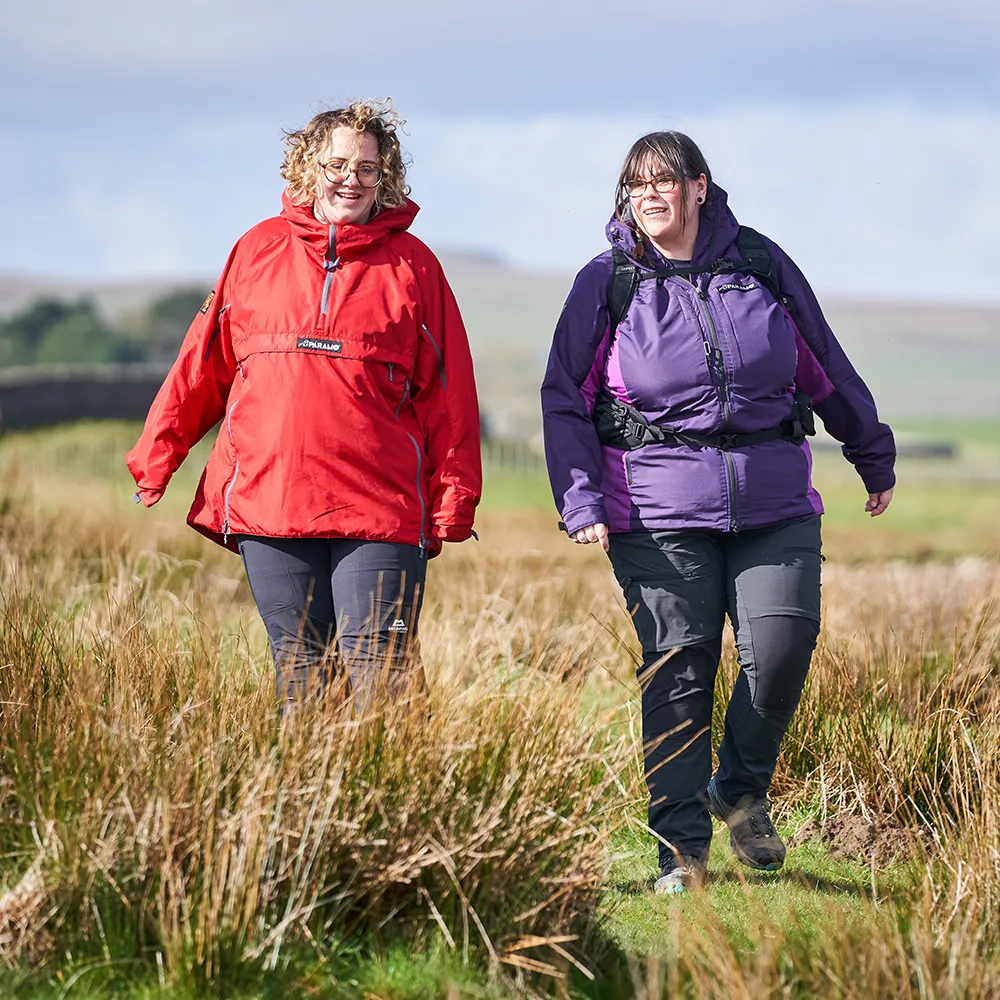
Spring weather can be unpredictable. Mornings may start cool, midday may bring sunshine, and afternoon showers can appear suddenly. Layering is the most effective way to adapt to these changing conditions.
- Baselayer: Start with a moisture-wicking baselayer top to keep sweat away from your skin. Lightweight merino wool or synthetic fabrics are ideal for regulating body temperature.
- Mid Layer: Add an insulating layer such as a fleece or lightweight down jacket to maintain warmth during cooler periods.
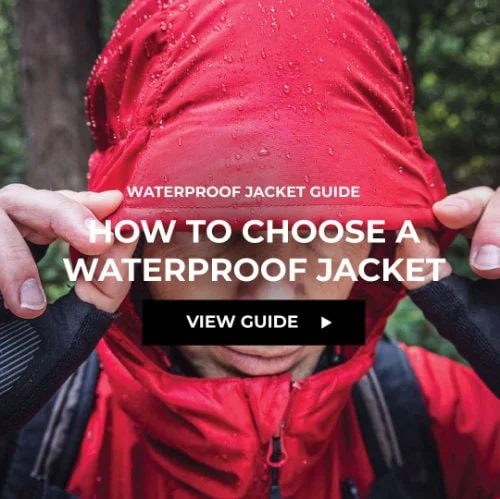
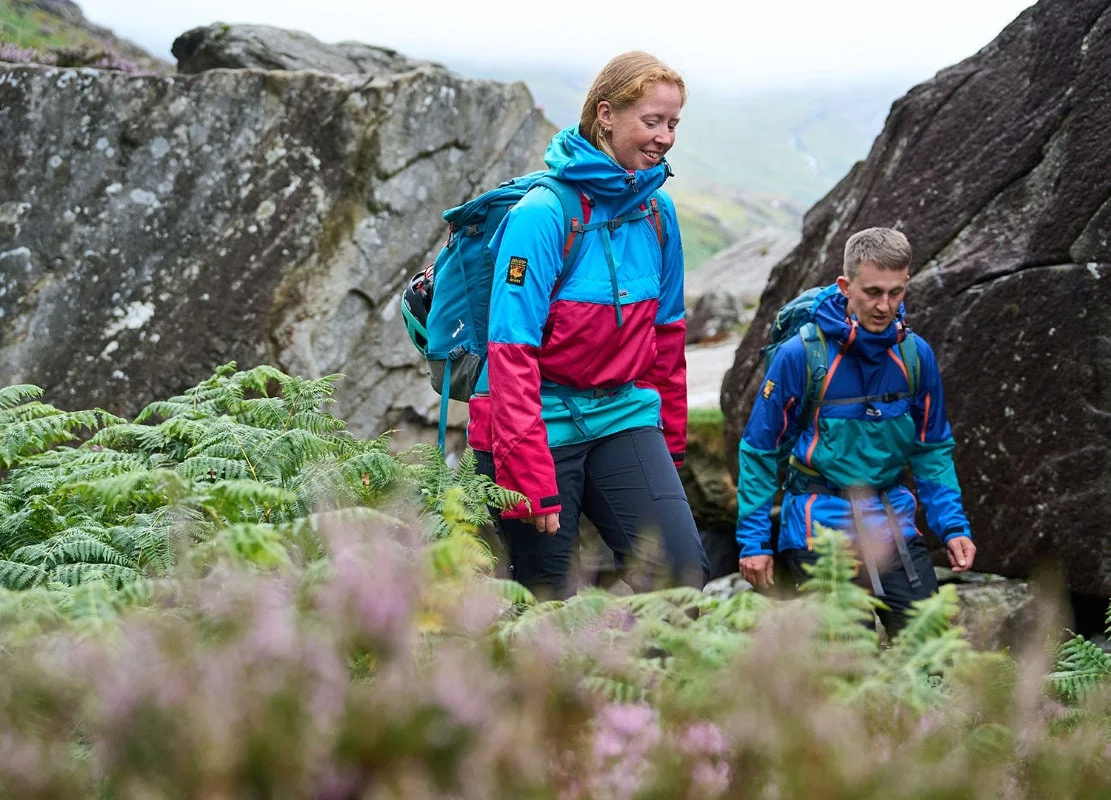
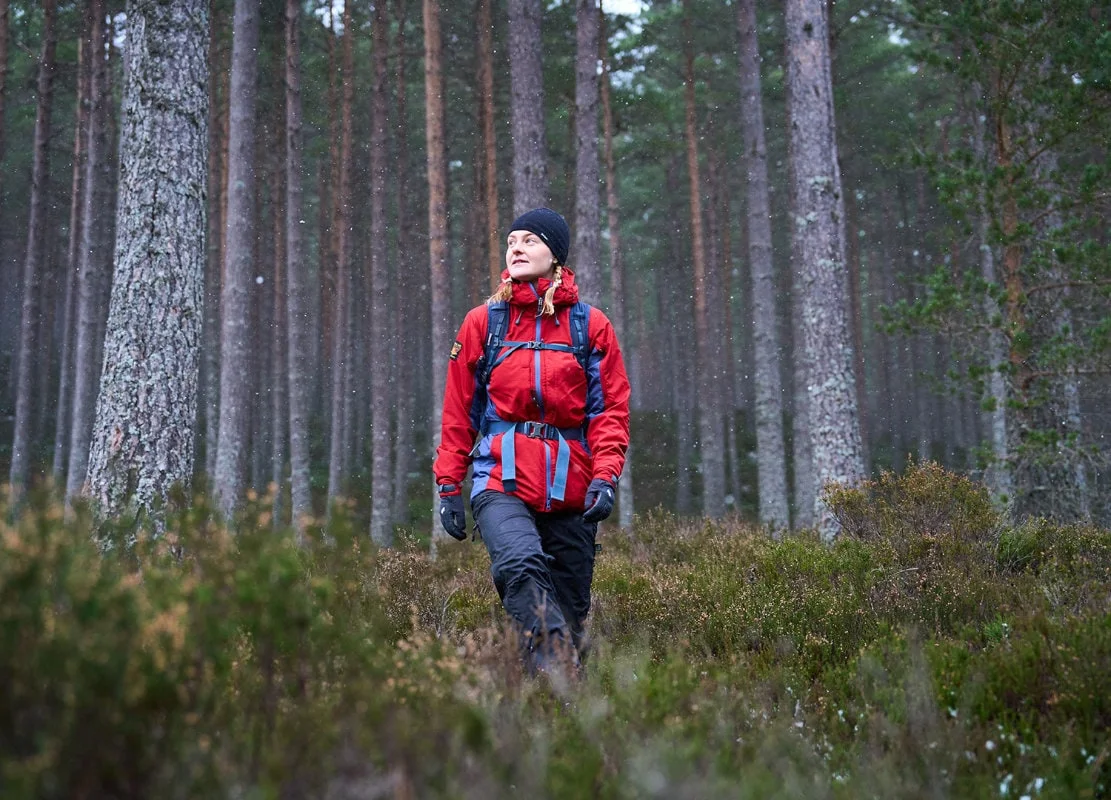
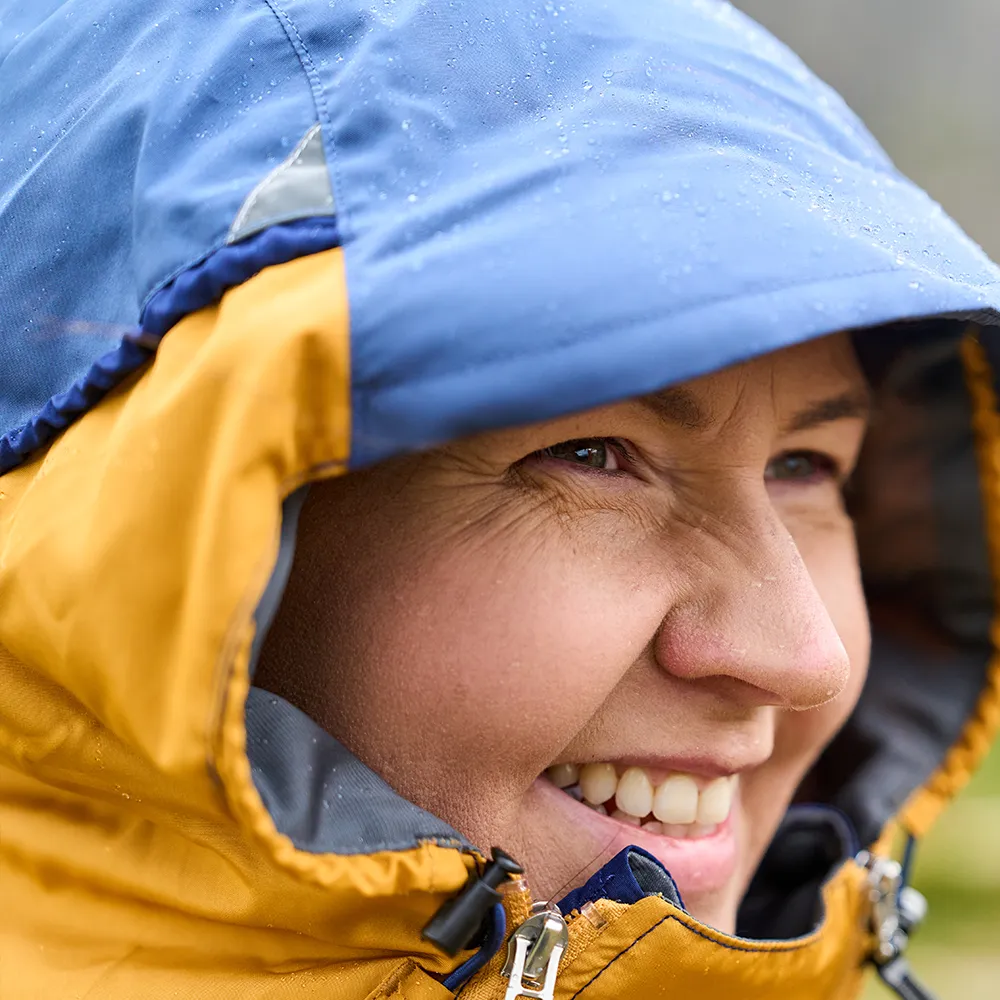
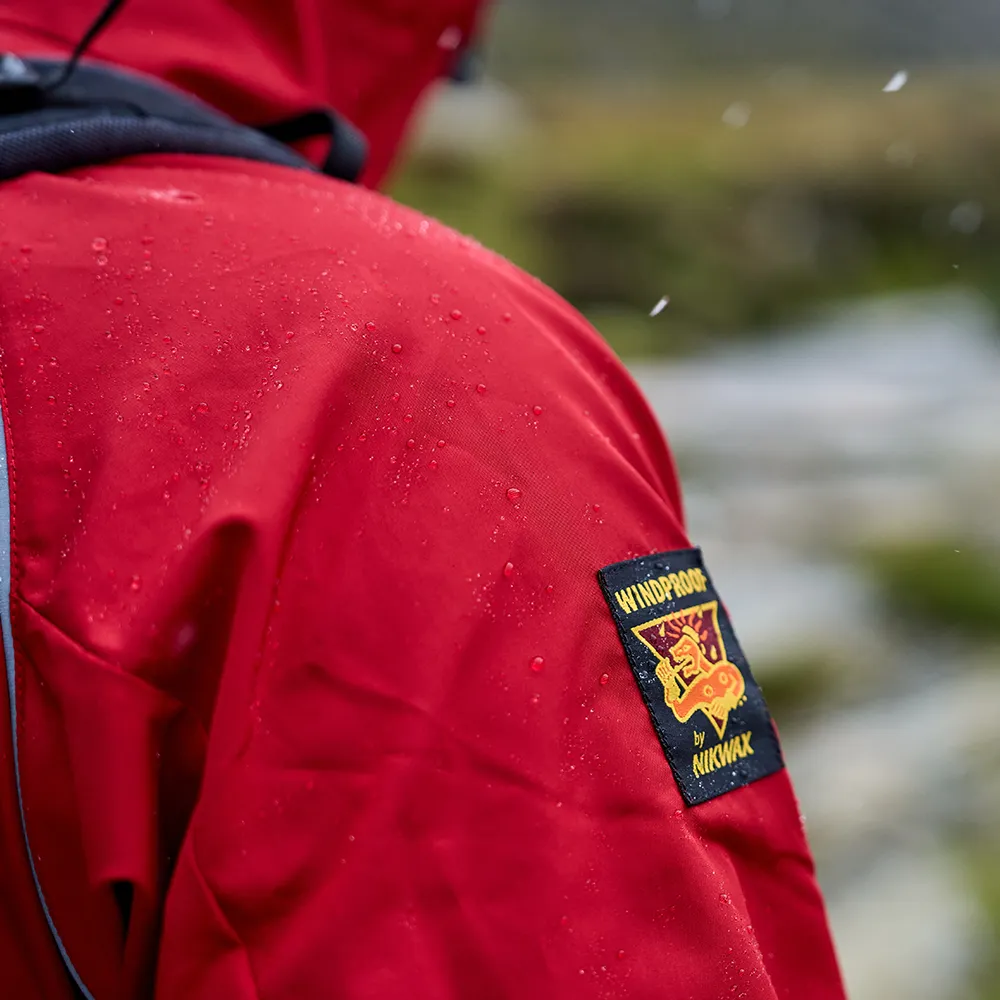
- Outer Layer: A breathable waterproof jacket is essential protection against wind and rain. Outdoor clothing brands, such as Páramo, make women’s jackets that combine protection, comfort and style, allowing you to move freely while staying dry.
Adjusting layers throughout the day helps prevent overheating during climbs and keeps you warm when resting or when temperatures drop.
Footwear and Socks
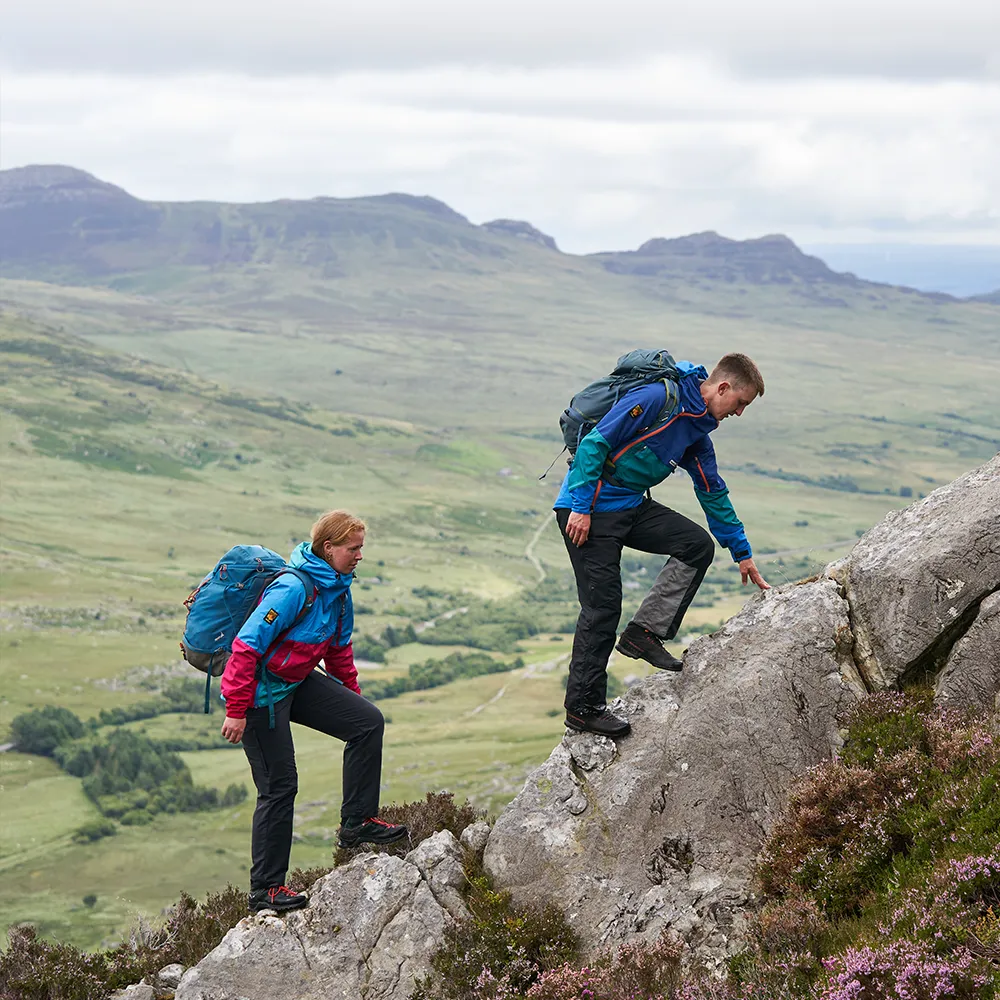
The right foot protection is critical for spring hiking. Trails can be muddy, rocky, or slippery, especially after winter rainfall.
- Hiking Boots: Sturdy, supportive boots with good grip are recommended for longer routes or uneven terrain. Waterproof boots will keep feet dry when crossing streams or wet paths.
- Trail Shoes: Lighter shoes are suitable for shorter walks on well maintained paths.
- Socks: Moisture-wicking hiking socks reduce friction and help prevent blisters, keeping feet comfortable on long walks.
Properly fitted shoes that are broken in is key to avoiding discomfort and injury during spring hikes.
Accessories for Weather Protection
Small accessories can have a big impact on comfort and safety.
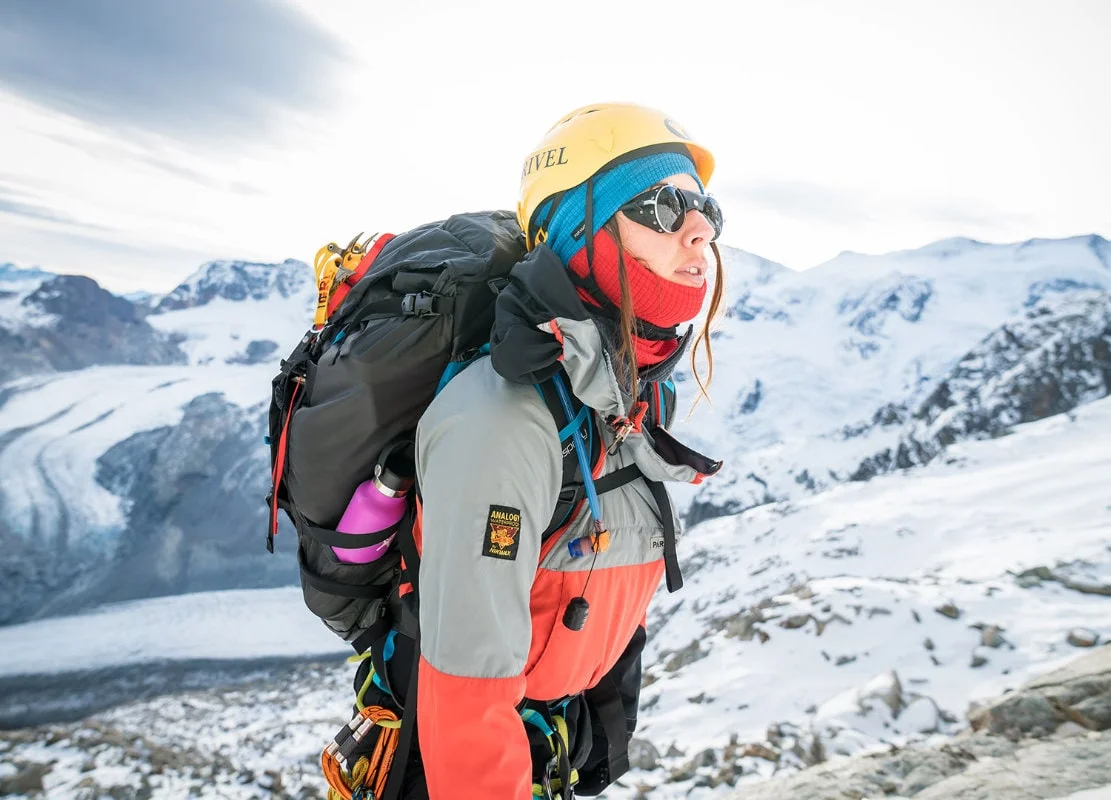
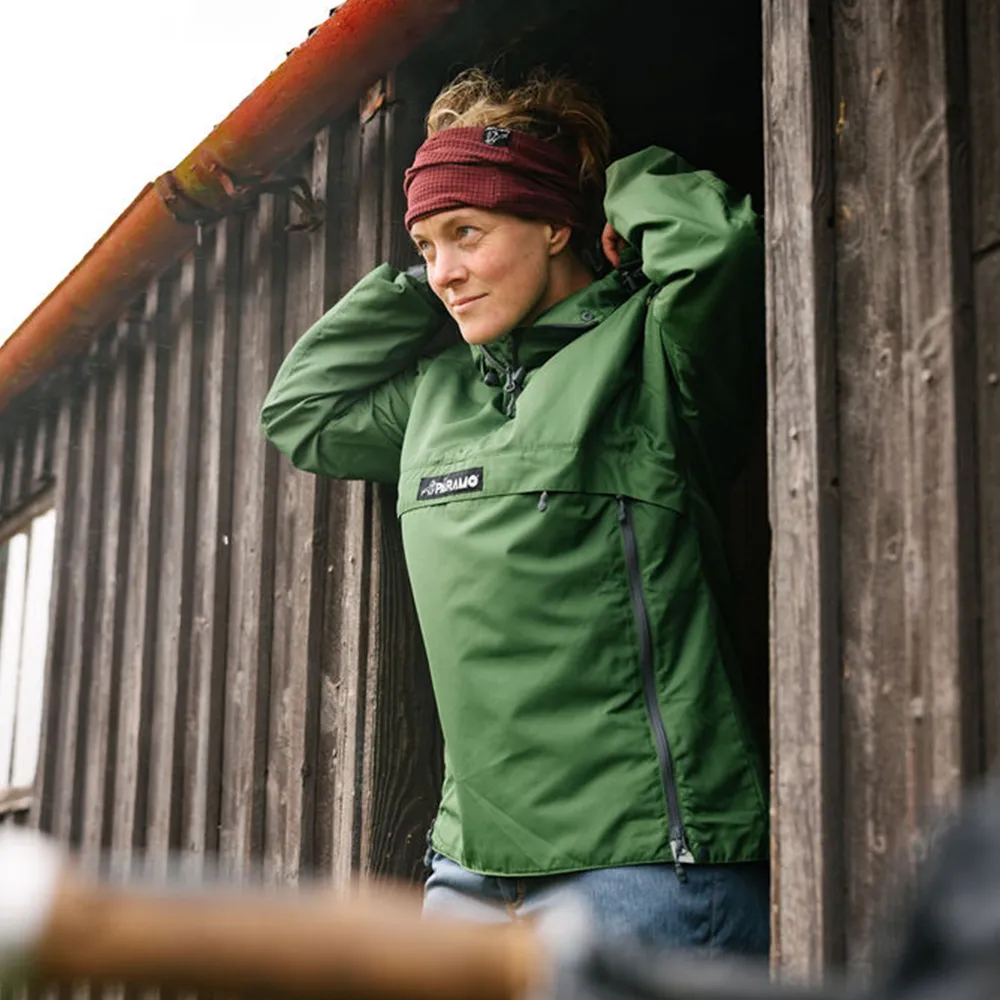
- Hat or Neckwarmer: Protect against wind, sun and sudden drops in temperature.
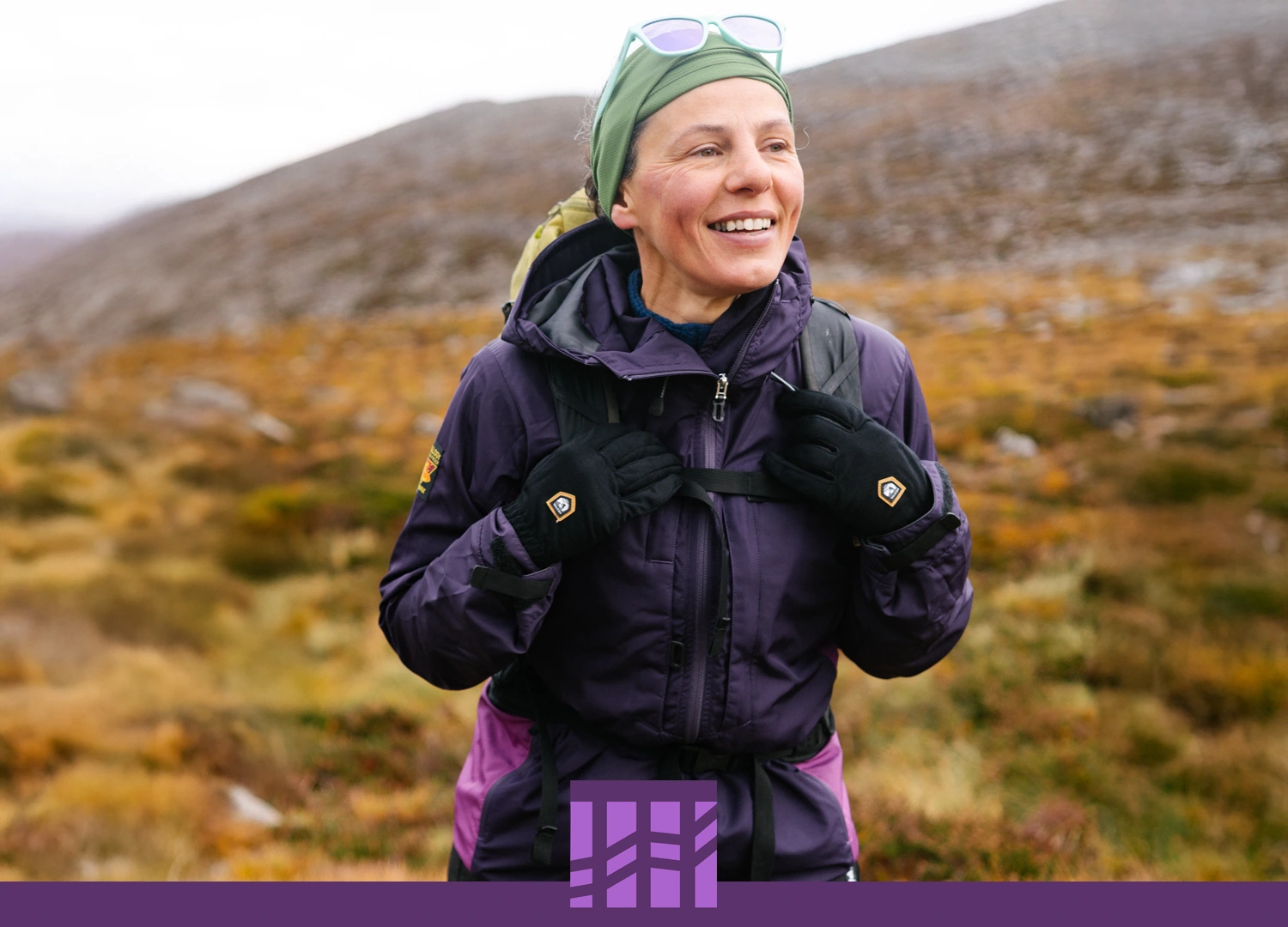
- Gloves: Lightweight gloves are useful during cooler mornings and/or higher elevations.
- Sunglasses: Shield your eyes from bright sun, especially in proximity to water or snow.
- Gaiters: Optional extra for muddy or wet paths to keep debris out of boots.
Accessories help you stay warm, comfortable and protected in unpredictable spring conditions.
Navigation and Safety Gear
Even well-marked trails can be challenging when the weather changes or visibility drops. Carrying essential navigation and safety equipment keeps you prepared.
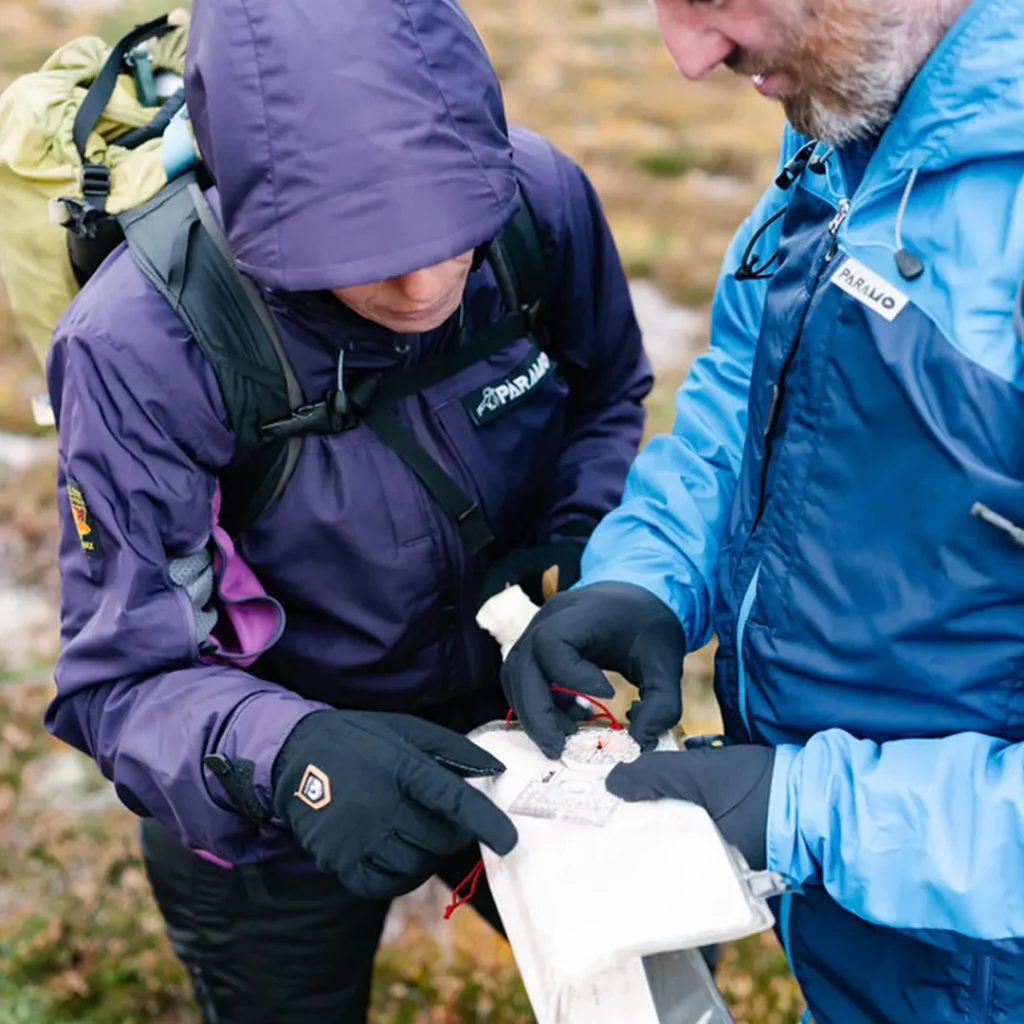
- Map and Compass: A reliable method of navigation, even when using a phone app.
- Phone or GPS Device: Useful for digital maps, emergency contacts, or sharing your location.
- First Aid Kit: Includes blister treatment, bandages, and basic supplies for minor injuries.
- Head Torch: Handy for early starts, late finishes or unexpected delays.
Planning your route ahead of time and understanding the terrain reduces risks and ensures a safe hiking experience.
Hydration and Nutrition
Spring hikes still require attention to hydration and energy levels. Even mild temperatures can lead to dehydration during exertion.
- Water: Bring enough for the length of your hike. A reusable bottle or hydration pack works well.
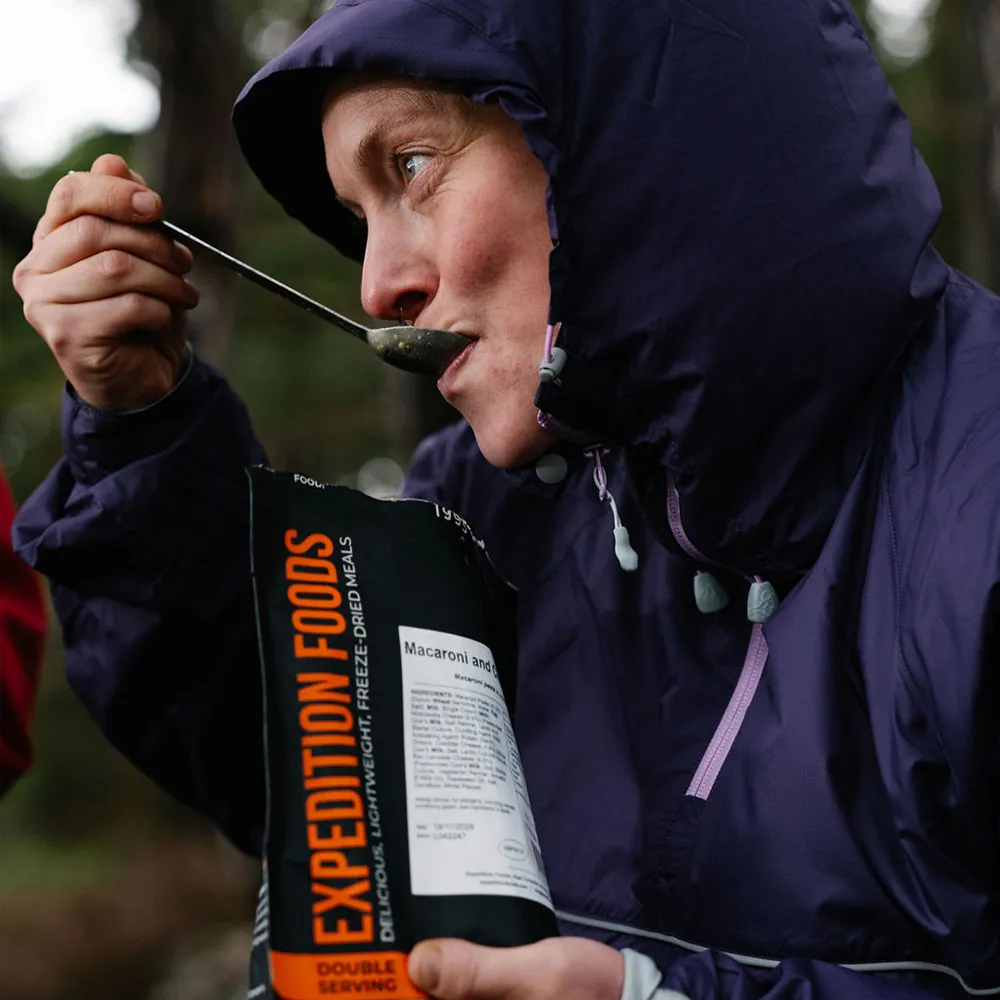
- Snacks: High energy options like nuts, fruit, granola bars, or flapjacks help maintain energy during breaks.
- Packed Lunch: For longer hikes, a full meal keeps energy up and morale high.
Eating and drinking at regular intervals improves focus and enjoyment on the trail.
Backpacks and Carrying Essentials
A comfortable backpack makes carrying layers, food, water and other essentials easier. Features to consider include:
- Adjustable Straps: For a secure fit that distributes weight evenly.
- Ventilation: A back panel that allows airflow to prevent overheating.
- Compartments: Helps organise gear and allows quick access to essentials.
Packing thoughtfully ensures everything you need is within easy reach without overloading yourself.
Staying Comfortable and Stylish
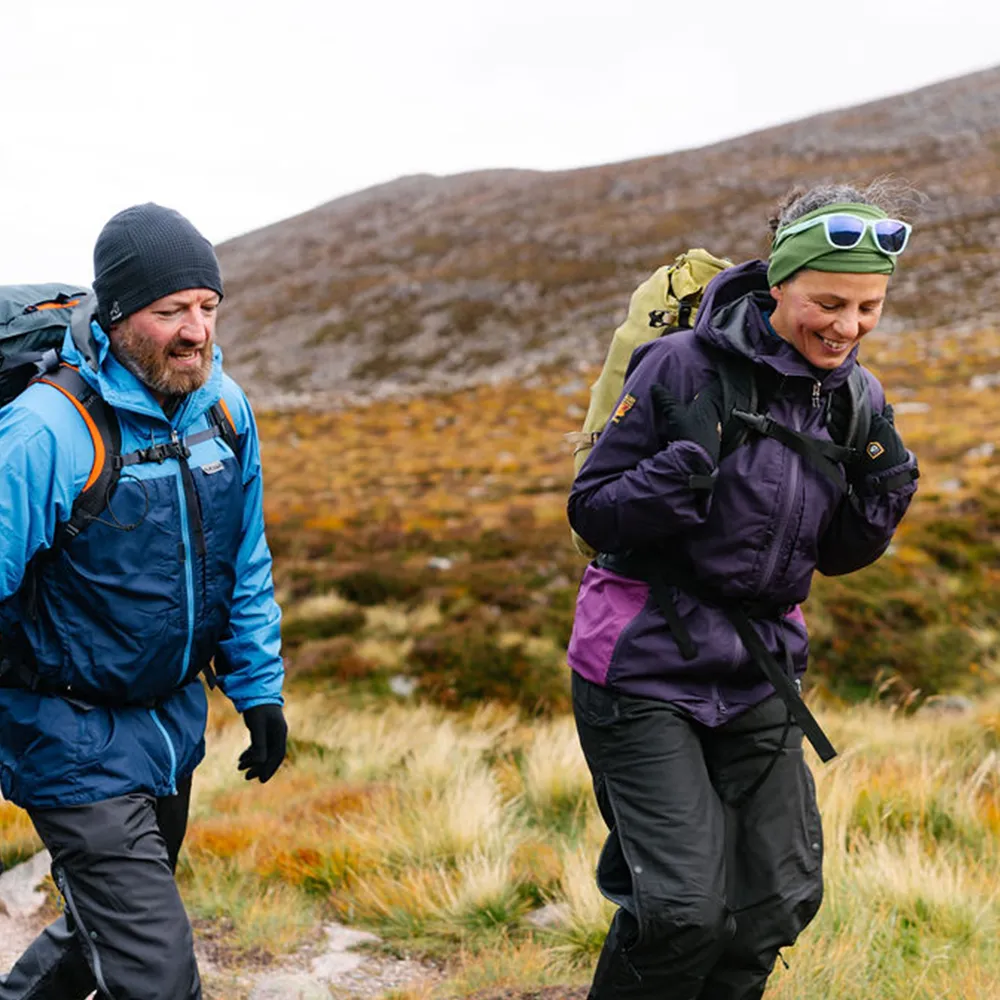
Women’s hiking gear has evolved to combine performance with style. Clothing that fits well, moves with your body, and looks good helps boost confidence on the trail. Comfort and practicality should always come first, but modern designs also mean you can spend longer periods outdoors without feeling restricted or weighed down.
Spring is the perfect season to explore the great outdoors, and wearing gear that fits your body and your adventure enhances every hike.
Final Tips for Spring Hiking
- Check the weather forecast and adjust clothing accordingly.
- Start early to make the most of daylight hours.
- Respect trails and wildlife by staying on paths and leaving no trace.
- Test new gear before long hikes to avoid surprises.
By choosing the right clothing, footwear, and accessories, women can enjoy spring hikes comfortably, safely, and in style.
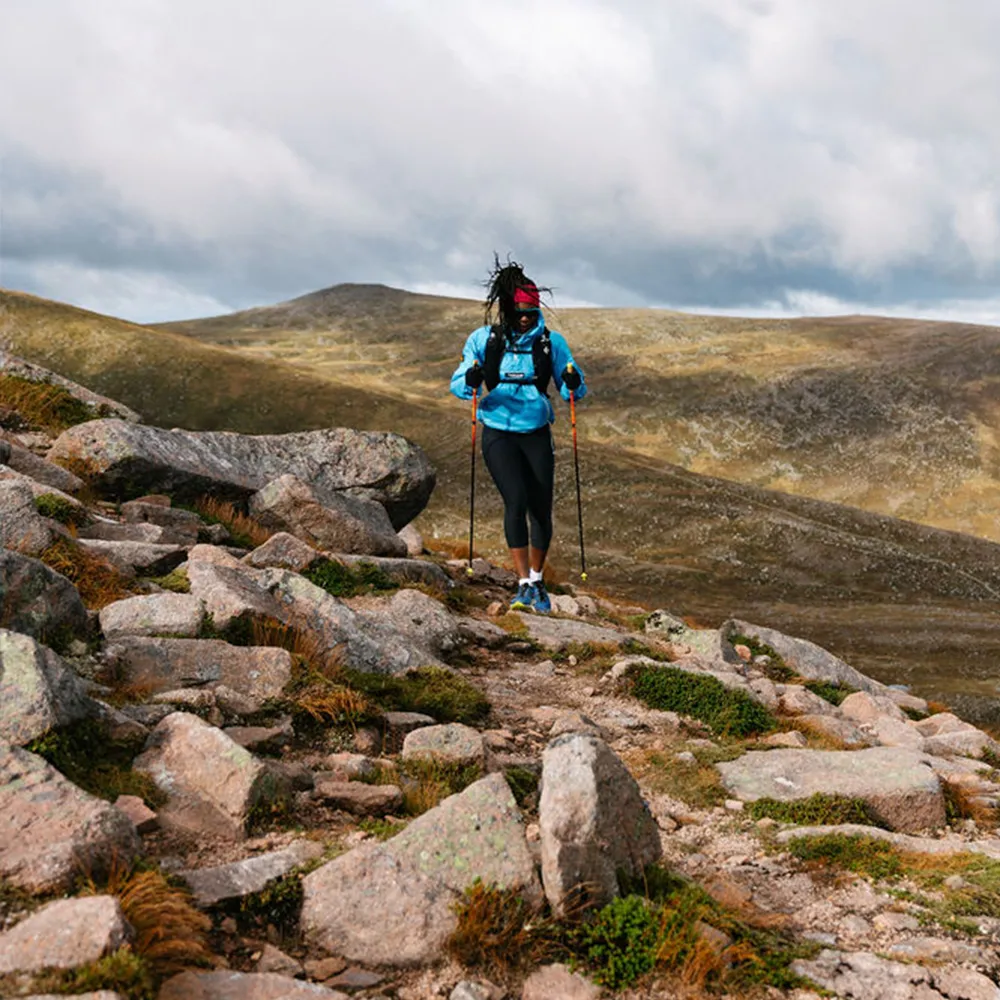
FAQs: What should women wear for hiking in spring?
What should I wear for walking in the Lake District in spring?
Layered clothing works best. Moisture wicking baselayers, insulating mid layers, and waterproof jackets provide flexibility in changing conditions.
Are waterproof boots necessary for spring hikes?
Waterproof boots are recommended for muddy or wet trails, providing comfort, grip and protection against standing water and rain.
What accessories are useful for spring hiking?
Lightweight hats, gloves, neckwarmers, sunglasses, and optional gaiters help protect against sun, wind, and rain.
How much water should I carry on a spring hike?
Carry enough liquid to stay hydrated for the length of your hike – usually 1L – 2L for a day hike – adjusting for activity level and temperature as appropriate.
Should I carry navigation tools even on marked trails?
Yes. Maps, compass and phone GPS act as backups if the weather changes or visibility drops unexpectedly.