Find a Store










Autumn Layering Guide: Preparing for Cooler Weather
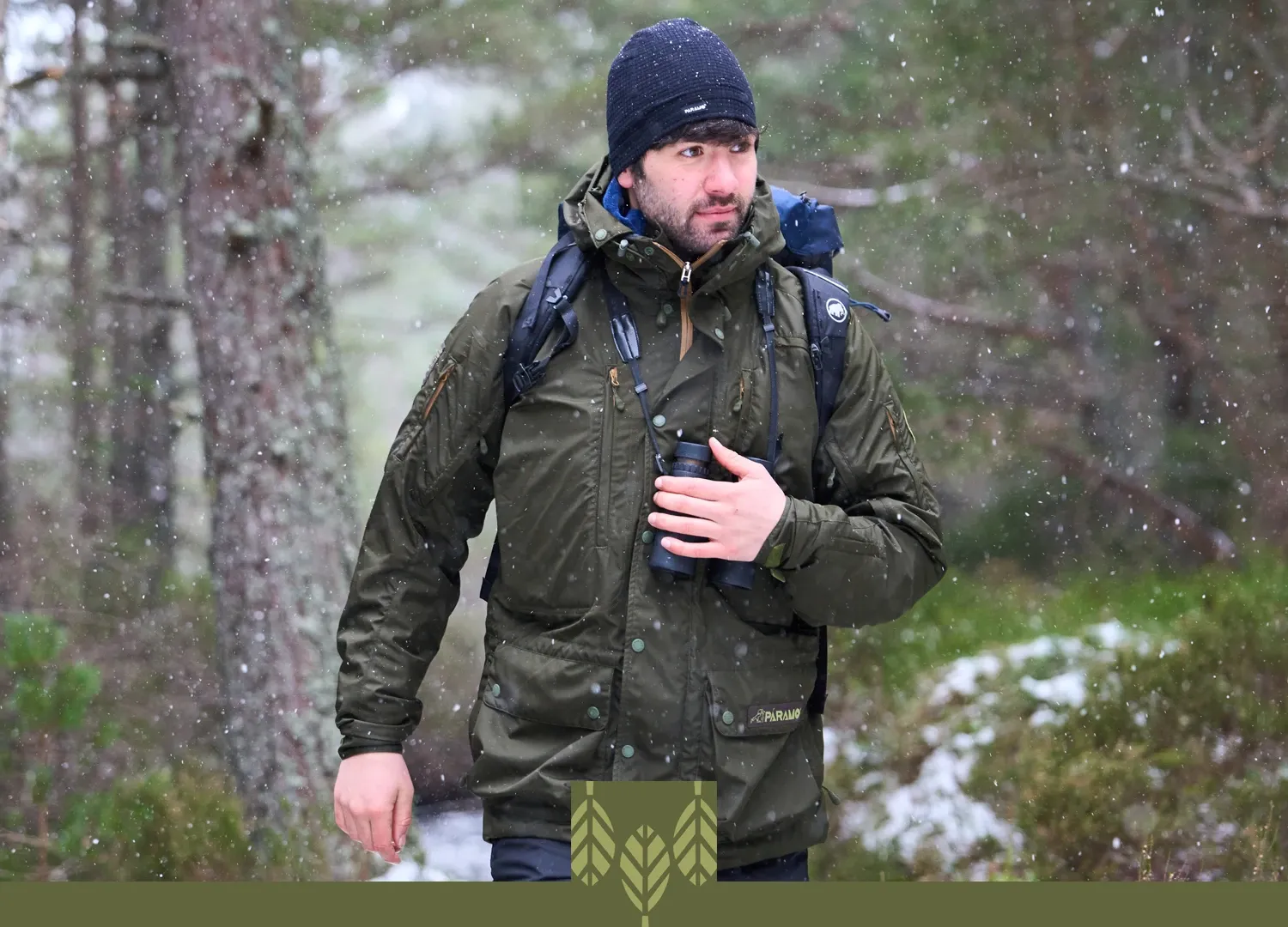
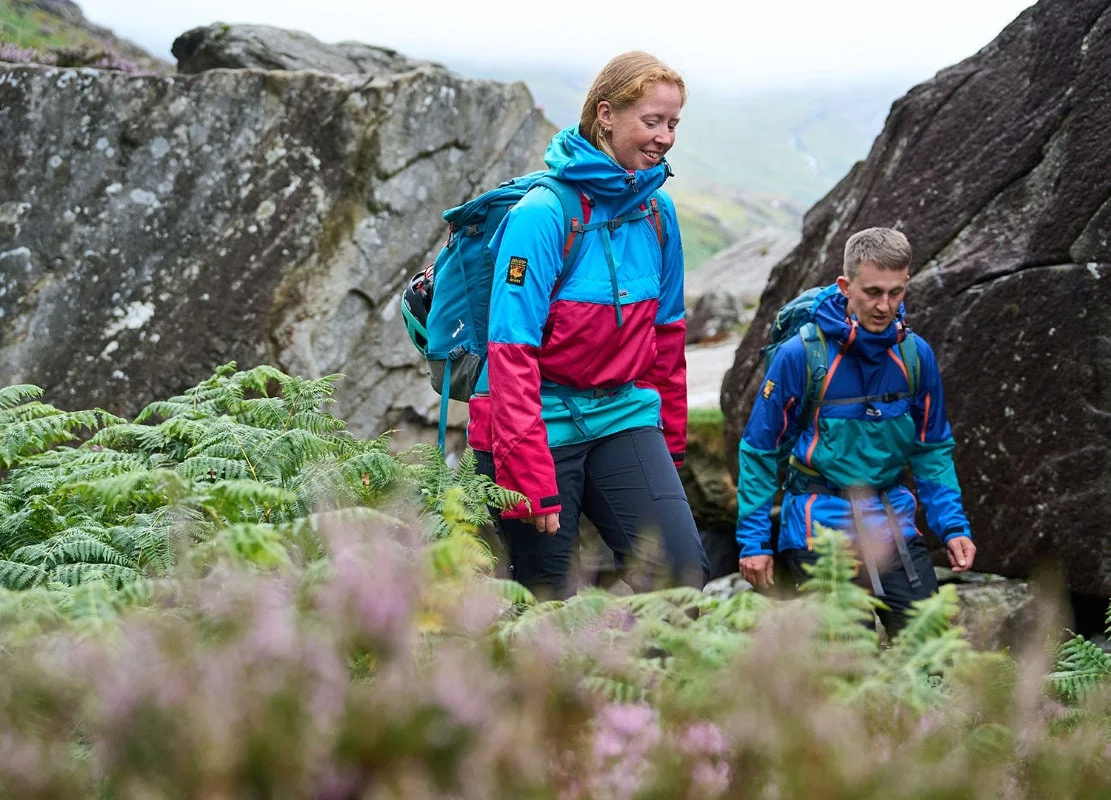
Autumn walking in the UK can be difficult to dress for. A cool start might have you reaching for an extra layer before you leave the house, only to be carrying it half an hour later once the sun comes out or the path starts climbing.
Add stronger winds, sudden showers, and noticeably cooler temperatures towards the end of the day, and getting your clothing right becomes less about dressing for one type of weather and more about being ready for several.
A good approach to autumn layering gives you that flexibility. Rather than wearing one heavy layer, you can build a system that manages moisture, adds warmth when you need it, and protects you when the weather changes.


Why autumn layering can be tricky in the UK
Early autumn can still bring warm, bright days, while later in the season can feel much closer to winter. Even within a single walk, conditions can vary considerably.
Your activity level makes a difference too. A sheltered woodland path may feel cool and comfortable, while a steep climb can quickly leave you warm. Reach an exposed ridge, and wind chill can change things again.
The aim, then, isn’t simply to stay warm. It’s to stay at a comfortable temperature without allowing moisture to build up inside your clothing. Choosing adaptable layers makes this much easier to manage.
Start with the right baselayer
Your baselayer is worn directly against your skin, so its main job is moisture management. Even when the air feels cool, walking uphill or moving at a steady pace generates heat and sweat.
A good baselayer for autumn hiking should move moisture away from your skin and dry quickly, helping you stay comfortable while you’re active and reducing the chill you can feel when you stop.
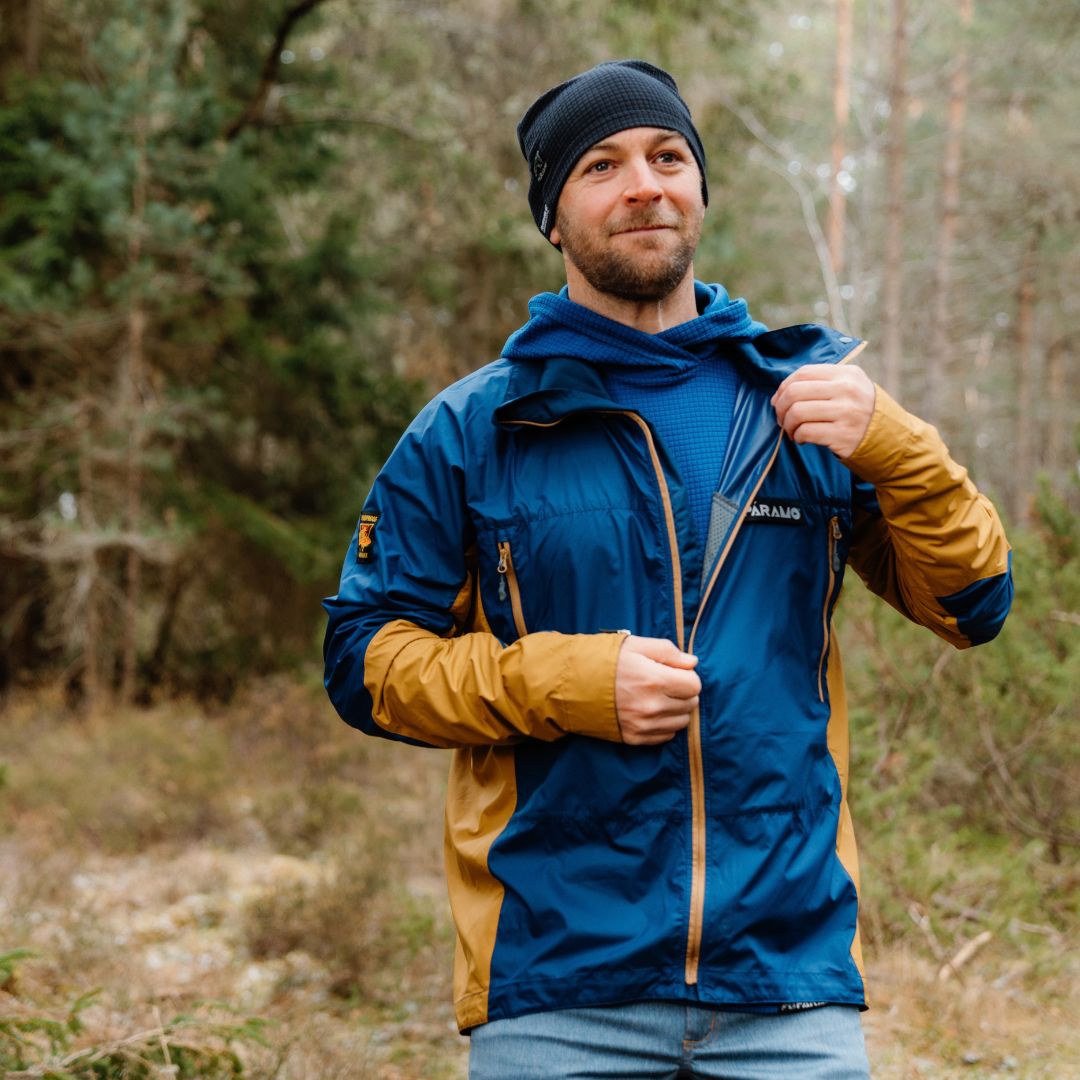
The Páramo Grid Technic Baselayer is particularly useful when conditions are changeable. Its fleecy grid construction allows air to circulate when it is worn on its own, helping you stay cooler when you’re working hard. Pair it with a Páramo Velez Windproof jacket, and its grid structure traps pockets of warm air to provide additional insulation on chillier days.
Features such as an adjustable zip neck and sleeves that can be pushed up also give you simple ways to cool down without having to stop and change what you’re wearing.


Add warmth you can easily control
As autumn progresses, a baselayer alone is unlikely to be enough for every walk. This is where an insulating mid-layer earns its place.
Rather than choosing the thickest fleece available, think about how much warmth you actually need and how easily you can regulate it. Your mid-layer fleece should add insulation without making the rest of your layering system feel bulky.
In milder autumn conditions, the Páramo Bentu Fleece can be worn over a baselayer to add warmth while remaining breathable. When colder, damper days arrive, the Bentu Plus Fleece offers greater insulation and is highly water-repellent, so it can also cope with drizzle and light showers when worn on its own.
A full-length zip is useful here. Opening it as you warm up can sometimes be enough to regulate your temperature without removing the layer completely.
Don’t underestimate wind and rain
Temperature is only part of the autumn weather story.
A breezy day can feel considerably colder once you’re on exposed ground, while rain can quickly turn an otherwise comfortable walk into a cold one if your clothing isn’t prepared for it.
On milder days when you don’t need a full waterproof, a windproof layer can provide useful protection without adding unnecessary insulation. The Bentu Windproof Jacket, for example, can be worn over a baselayer to provide wind and shower resistance while remaining breathable.
As temperatures fall, it can also be combined with the Bentu Fleece or Bentu Plus Fleece. The two garments are designed to work together, allowing you to increase insulation and weather protection as conditions demand.
For wetter days or walks where prolonged rain is forecast, choose a fully waterproof outer layer suited to your activity and the conditions you expect to encounter.


How to layer for autumn hikes in the UK
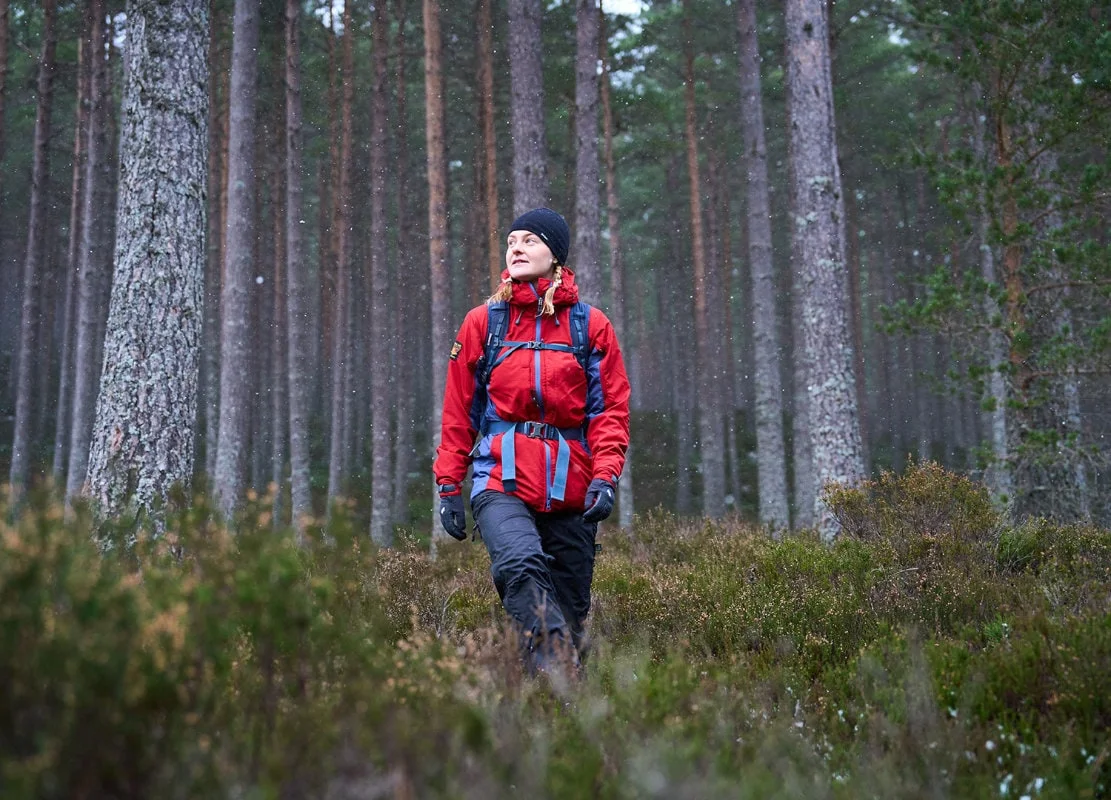
What you wear on a mild September afternoon is likely to be very different from what you need on an exposed hill in late November.
A useful starting point is to think about the conditions you’re likely to encounter as well as the forecasted temperature.
For a mild, dry autumn day:
Start with a breathable baselayer. If you’re walking somewhere sheltered or expect to be moving continuously, this may be enough while you’re active. Carry a light fleece or windproof layer, so you have extra protection if the temperature drops.
For a wet or particularly changeable day:
Moisture management becomes even more important. Start with a breathable baselayer, add insulation according to the temperature, and use a dependable waterproof outer layer such as the Velez Adventure Smock for protection from prolonged rain.
Remember that the conditions at your starting point aren’t necessarily the conditions you’ll experience for the rest of the walk. Check the forecast for the whole route and consider how exposed the terrain will be before deciding what to wear and carry.
Adjust your layers before you get uncomfortable
If you know there’s a steep climb ahead, open a zip or remove a layer before you start overheating. If you’re approaching an exposed section and can feel the wind picking up, add your windproof before you become cold.
It’s often better to begin a walk feeling slightly cool rather than comfortably warm. Once you start moving, your body temperature will rise quickly.
Small adjustments can make a surprisingly big difference too. Push up your sleeves, open a neck or front zip, use your jacket’s ventilation, or remove your hat and gloves before deciding that an entire layer needs to come off.
When you stop for lunch or a longer break, do the opposite. Adding a layer while you’re still warm can prevent you from cooling down too quickly.


What else should you carry for an autumn hike?
Autumn days get shorter as the season progresses, so what you carry becomes increasingly important.
And as daylight hours shorten, check sunset times before longer walks and carry a headtorch rather than relying on your phone if there’s any possibility you’ll still be out as the light begins to fade.
A lightweight hat and neckwarmer take up very little space but can make a significant difference if temperatures fall. An additional insulating layer is worth carrying on longer or more exposed routes, particularly if you’ll be stopping for any length of time.
Reliable weather protection should also be in your pack even when the forecast looks relatively settled. Autumn weather can change quickly, especially in upland areas.
Make the most of autumn outdoors
Autumn brings some of the best conditions of the year for walking. Cooler temperatures can make longer routes more comfortable, paths become quieter after the summer, and familiar landscapes can look completely different as the season changes.
You don’t need an entirely new wardrobe to enjoy it.
Get that balance right and cooler weather doesn’t have to bring your walking season to an end. It simply changes what you wear along the way.

FAQs: Autumn Layering
How should I layer for autumn hikes in the UK?
Start with a breathable, moisture-managing baselayer and add a fleece when temperatures are cooler. A windproof layer can be useful in dry, breezy conditions, while a waterproof outer layer should be carried when rain is expected. Choose layers that are easy to vent, remove, and put back on as conditions change.
What is the best baselayer for autumn hiking?
Look for a breathable baselayer that moves moisture away from your skin and dries quickly. Autumn temperatures can vary considerably, so a layer that also allows you to regulate airflow through features such as a zip neck or adjustable sleeves can be particularly useful.
Do I need a fleece for autumn walking?
Not necessarily on every walk. During early autumn or when you’re moving quickly, a baselayer and windproof may provide enough protection. As temperatures fall, a breathable fleece adds useful insulation and can be removed or vented (opened) when your activity level increases.
Should I wear a waterproof jacket in autumn?
If prolonged rain is expected, a waterproof jacket is important. In drier conditions, a breathable windproof may provide enough protection against wind and occasional showers. Check the forecast for your whole route rather than relying only on the weather when you leave home.
How many layers should I wear for autumn walking?
There is no fixed number. For many UK autumn walks, a baselayer with an adaptable mid-layer and weather-resistant outer layer gives you plenty of flexibility. The important thing is being able to add, remove, or ventilate those layers as the temperature, weather, and your activity level change.