Find a Store








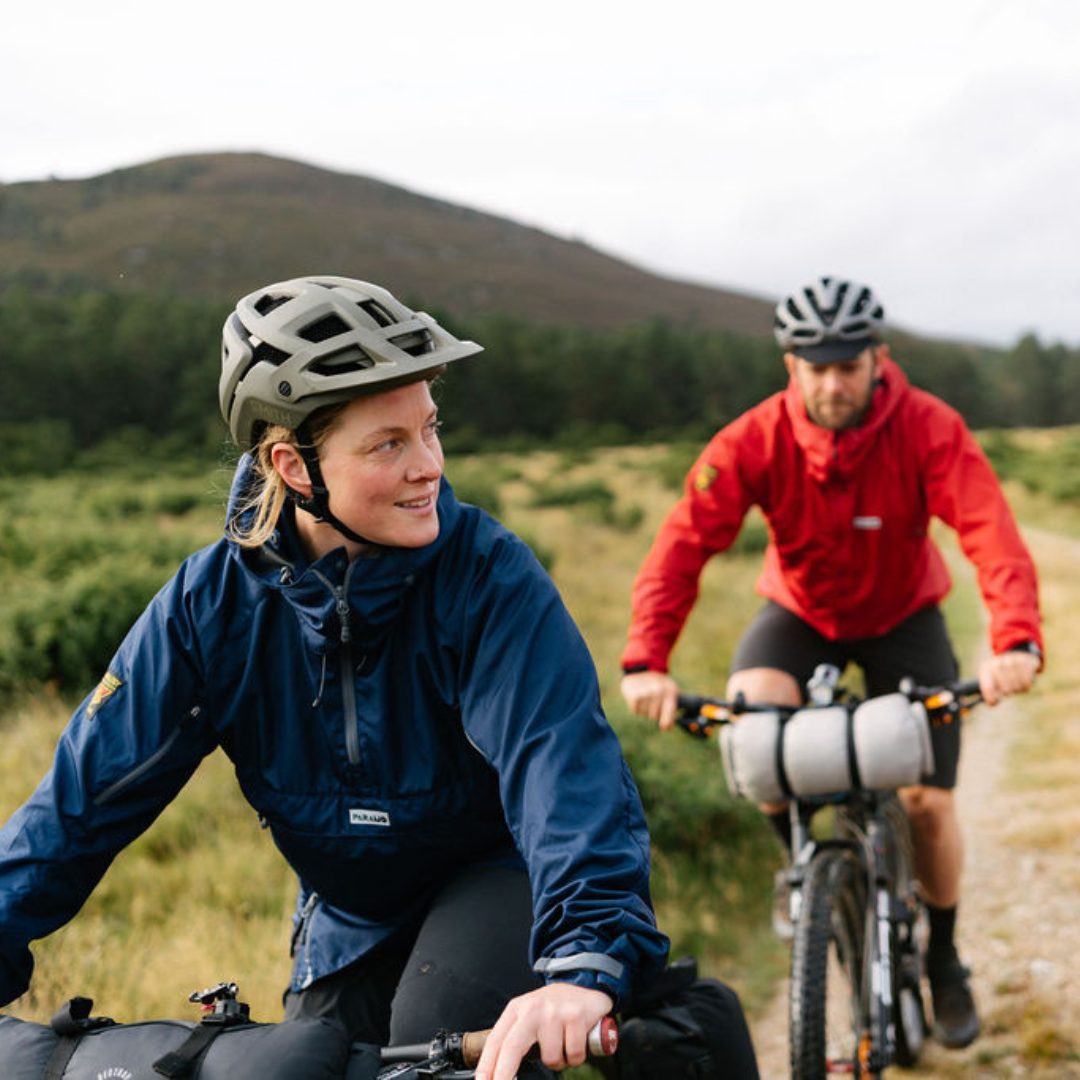
Choosing Lightweight Layers for Summer Hiking
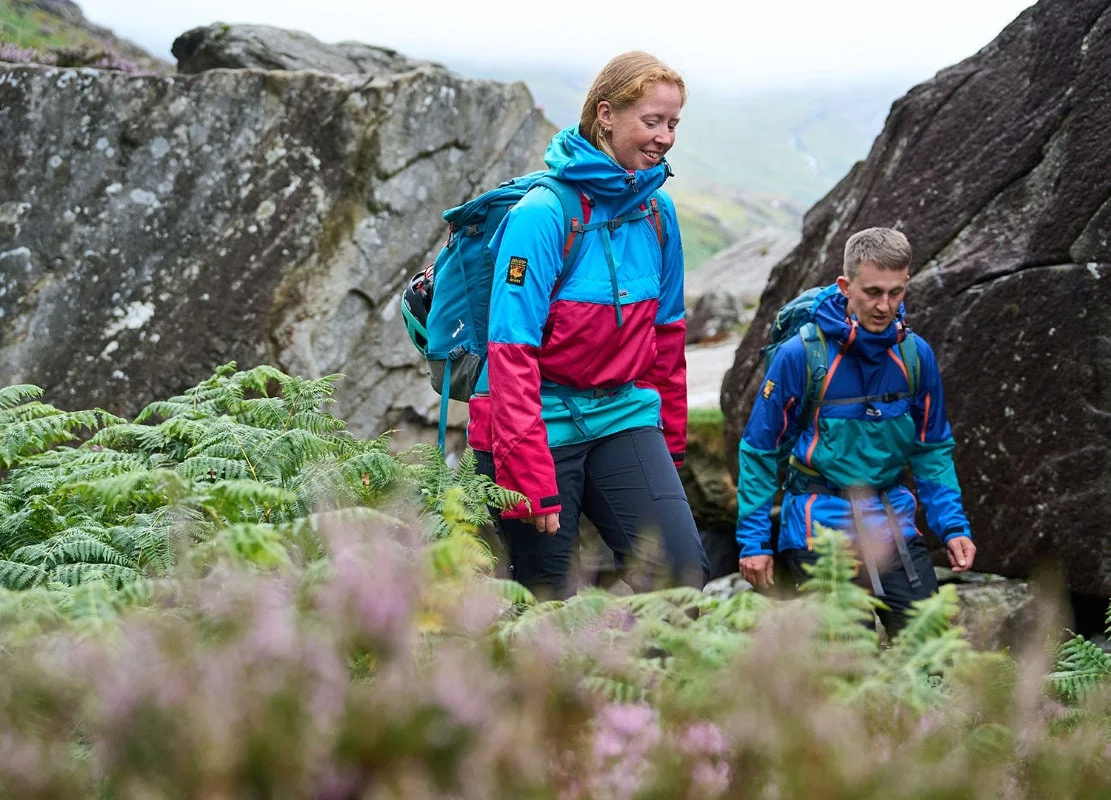
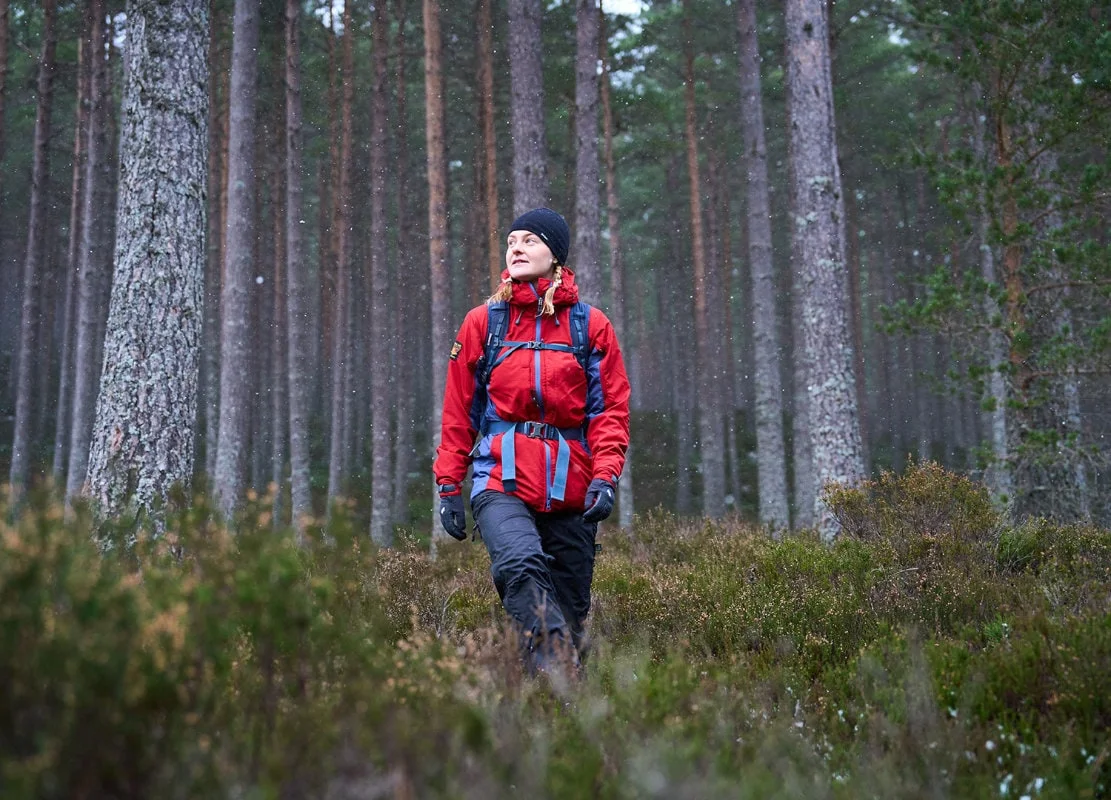
Summer hiking often feels like it should be simple, but the reality is more complex. Temperature shifts, changing elevation, and variable weather mean your clothing needs to be flexible and responsive.
Lightweight layers are the most effective way to stay comfortable without carrying unnecessary weight.
Why Lightweight Layers Matter
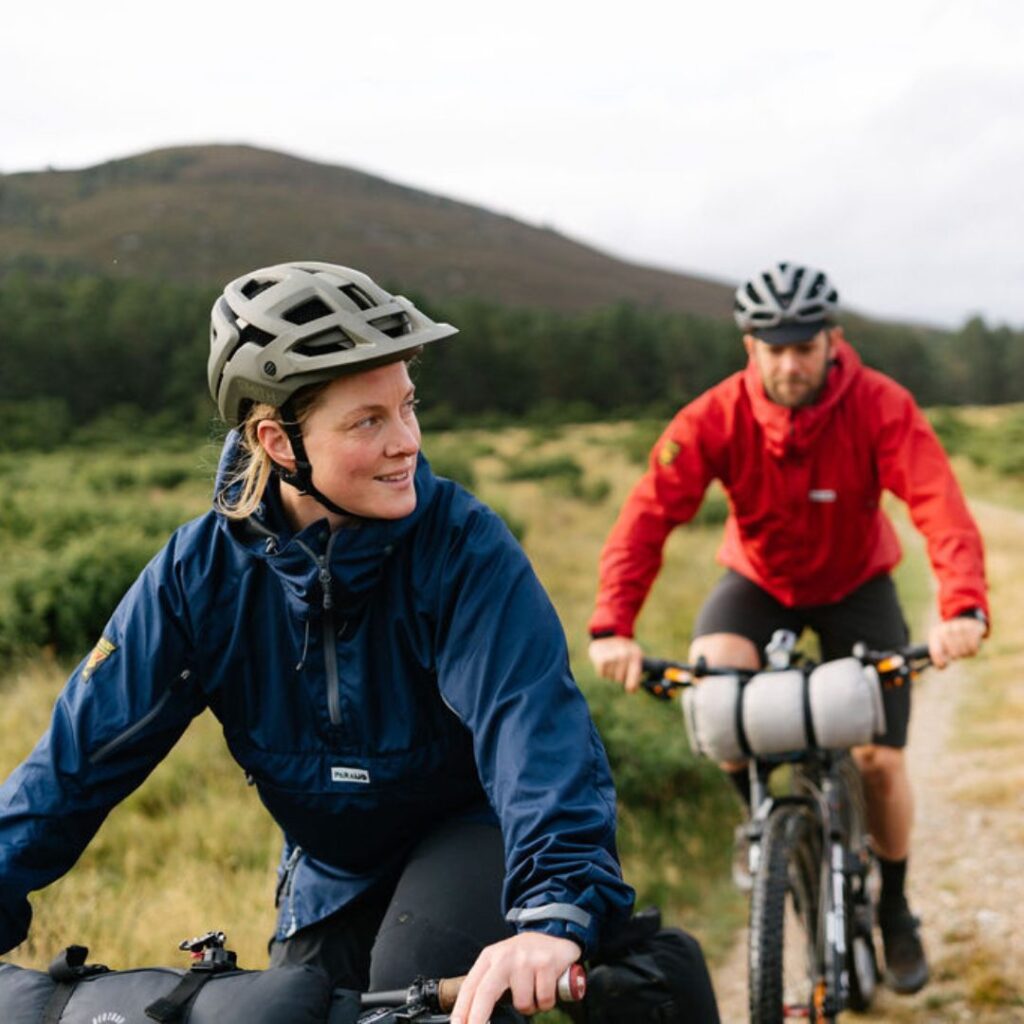
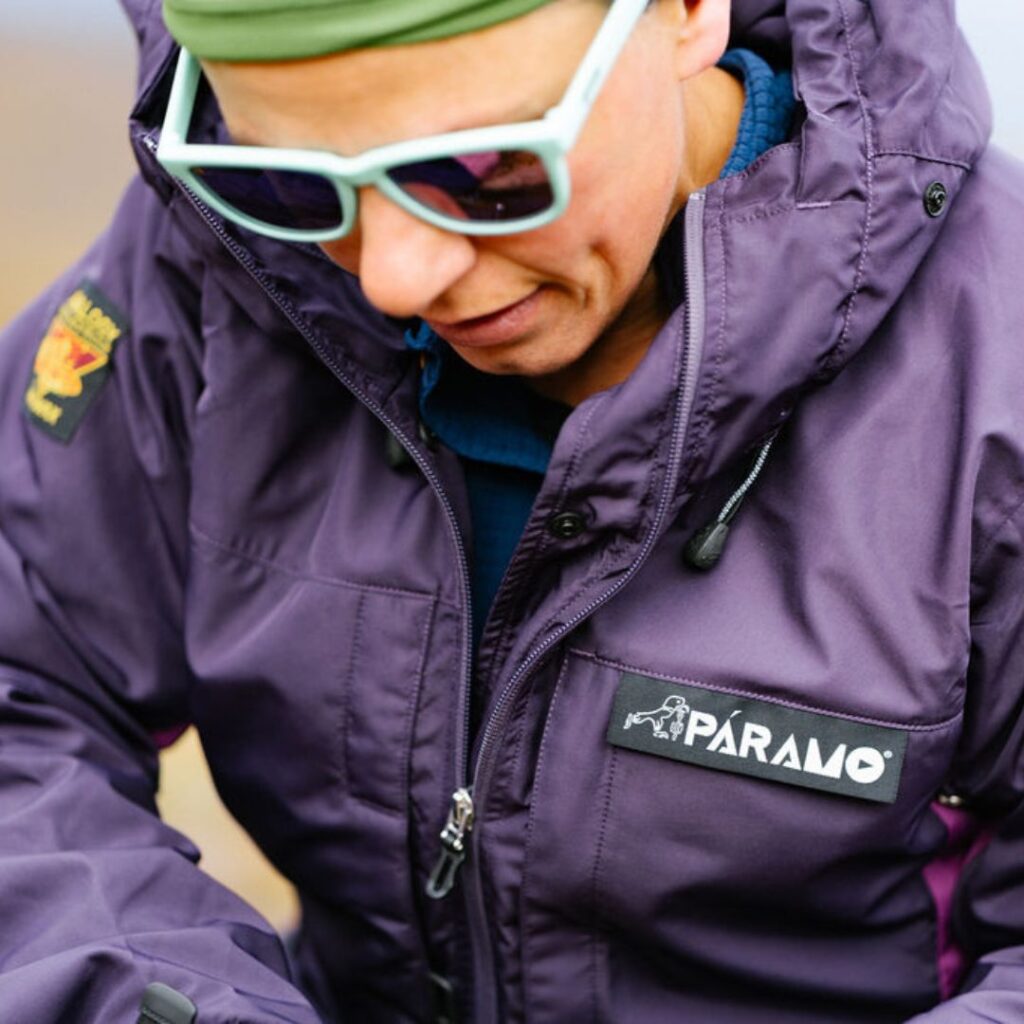
When you are moving, your body generates heat quickly. But when you stop, especially at viewpoints or in exposed areas, you can cool down just as fast.
Lightweight layers help you adjust without interrupting your walk. Instead of carrying heavy clothing, you wear a system that adapts to your activity level.
The Core Layering System
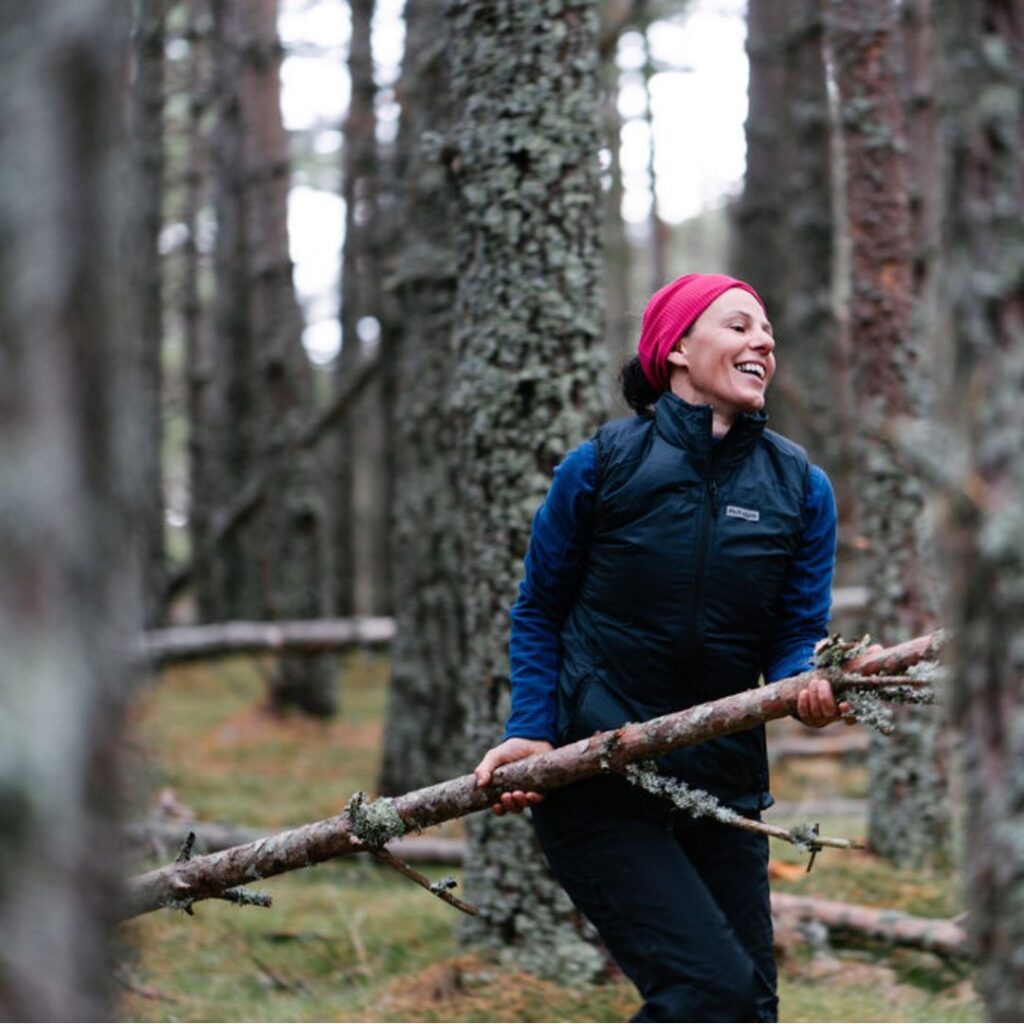
A good summer hiking system is built around three simple layers:
- A breathable baselayer that manages moisture
- A lightweight insulating layer for cooler climes
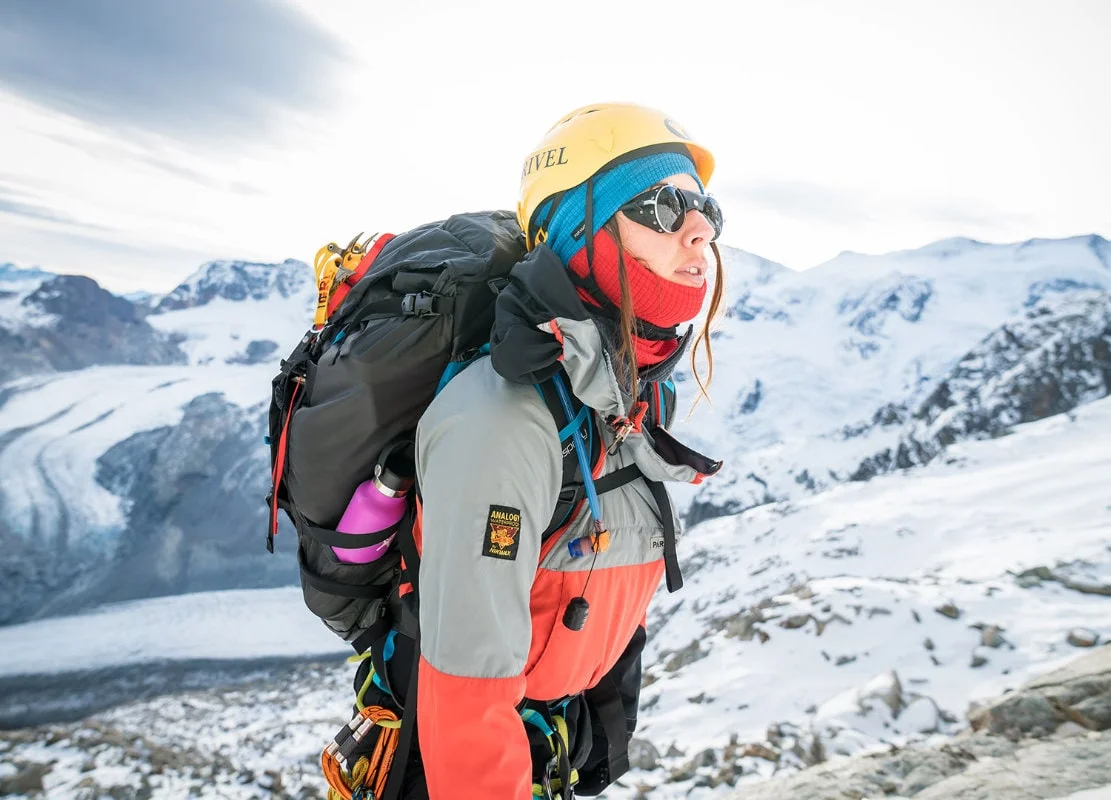
- A protective outer layer for wind or rain
Each layer has a specific role, and together they provide flexibility across changing conditions.
What to Look for in Lightweight Layers
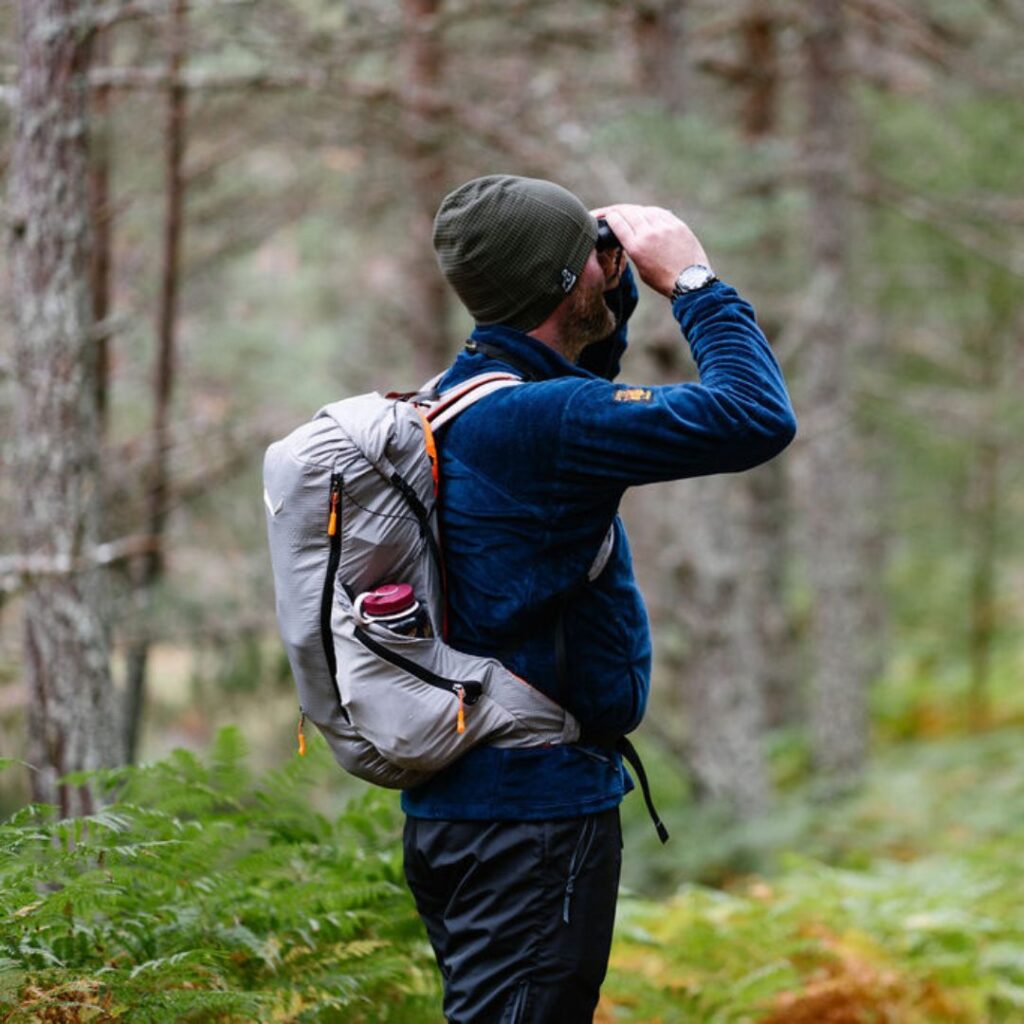
Not all lightweight gear performs equally. The best options focus on breathability, packability, and quick-drying performance.
Look for:
- Fabrics that wick moisture efficiently
- Low bulk insulation that still retains warmth
- Stretch materials for better movement
- Fast-drying ability after rain or sweating
These features help maintain comfort over longer distances.
Adapting Layers During Your Walk
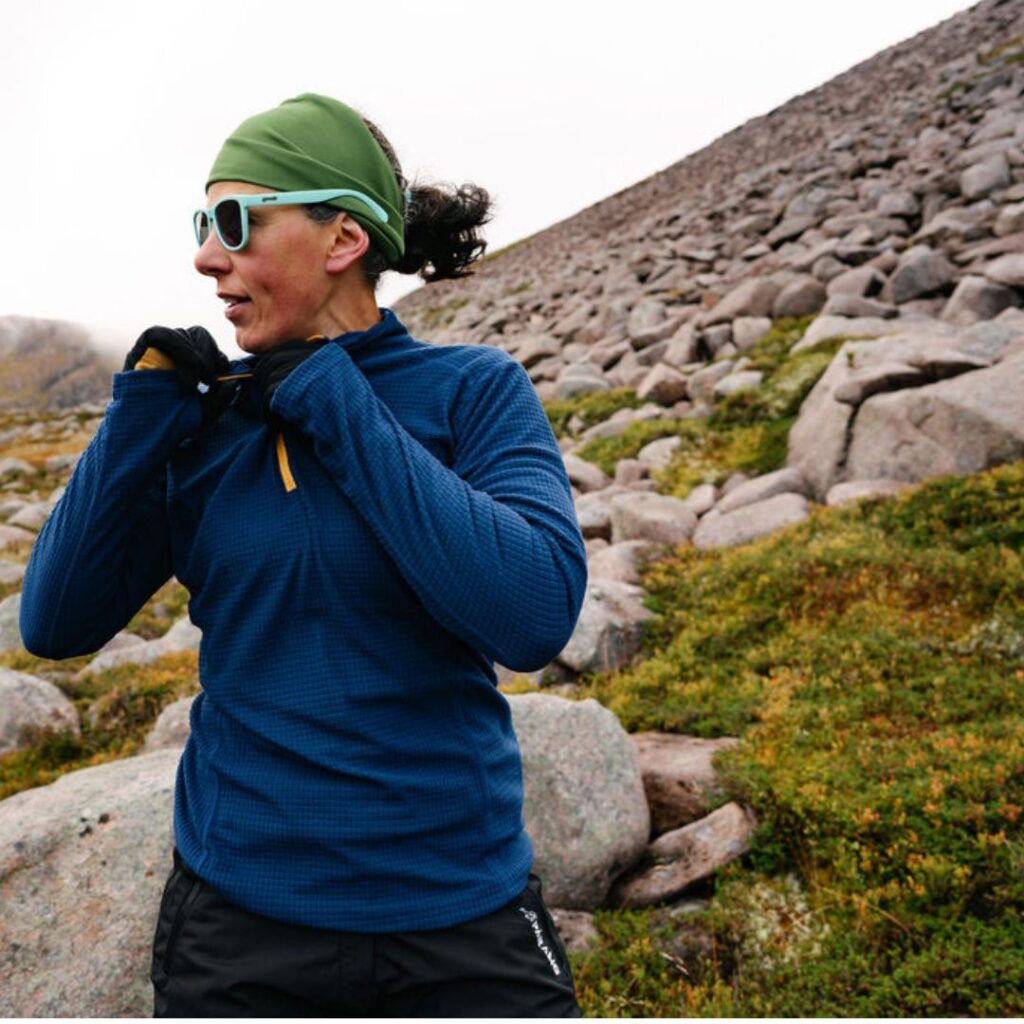
One of the biggest layering advantages is control. You can add or remove clothing based on how you feel, not just the forecast.
For example, you may layer up fully in the morning, remove mid layers during climbs, then put them on again during breaks or when hiking in exposed areas.
This adaptability is what keeps you comfortable across changing terrain.
Keeping Weight to a Minimum
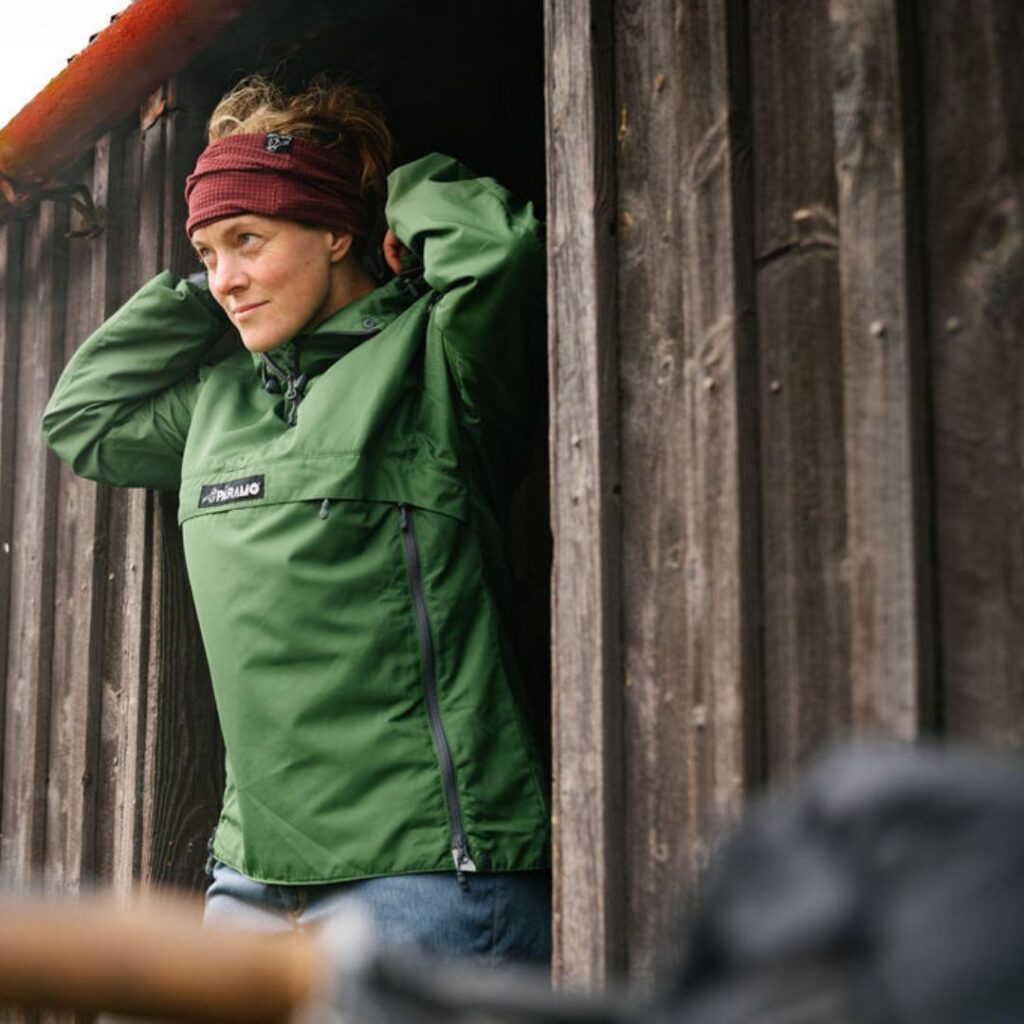
Every item in your pack should earn its place. Lightweight layering allows you to carry less while still being prepared.
The key is versatility. One well-designed mid-layer is often better than multiple heavy alternatives
FAQs: choosing lightweight layers
Why is layering important when summer hiking?
It helps regulate body temperature during changing activity levels and weather conditions.
What is the best baselayer material?
Moisture-wicking synthetic or natural fabrics designed for breathability.
How many layers do I need in summer?
Usually two to three layers, depending on conditions and elevation.
Are fleece layers too warm for summer?
A lightweight fleece can be useful when the sun goes in or during breaks.
How do I avoid carrying too much gear?
Focus on versatile layers that work across multiple conditions