Find a Store











Sustainable Tips for Autumn Hikers
Being a more sustainable hiker doesn’t have to start with buying new, sustainably made kit. In fact, one of the simplest things you can do is make better use of what you already have.
Autumn is a good time to take stock. Waterproofs come back into regular use, warmer layers are pulled out of cupboards, and walking boots have another season of mud ahead of them. A little maintenance now and then can keep that kit working for longer – and save you from replacing something that still has plenty of life left in it.
From looking after your clothing to making more considered choices when something genuinely does need replacing, here are some practical ways to reduce the impact of your autumn adventures…

Look after the kit you already own
Outdoor clothing has to work hard, particularly through a wet British autumn. Dirt, sweat and repeated use can all affect how well technical clothing performs, but that doesn’t necessarily mean the garment itself is worn out.
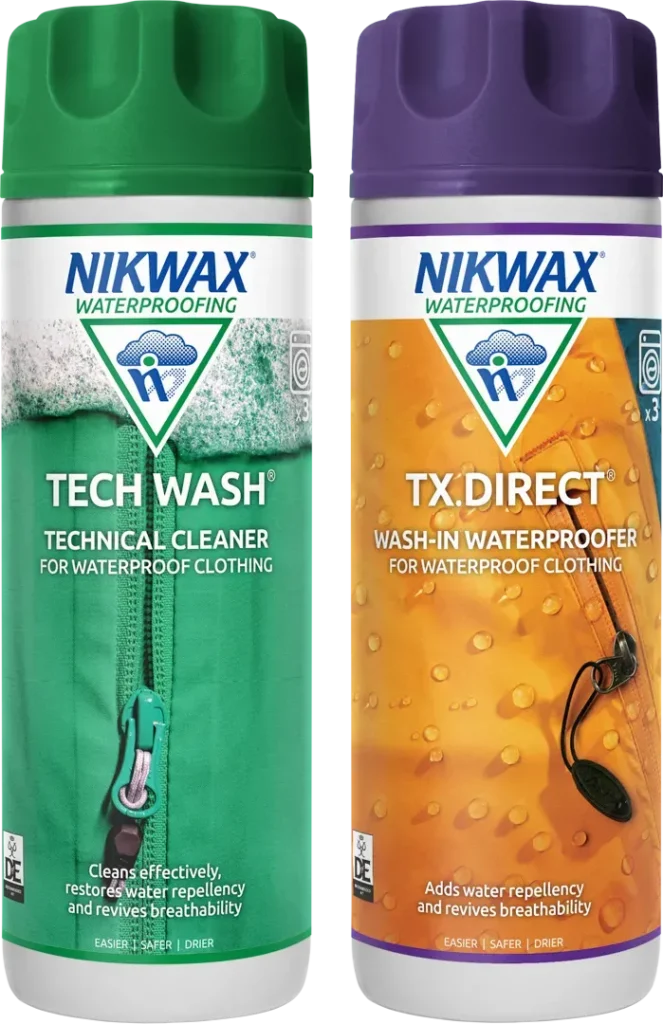
Waterproof clothing is a good example. If your jacket has stopped beading water as effectively as it once did, cleaning and reproofing it may be all that’s needed to restore its performance.
Páramo waterproofs are designed so their water repellency can be renewed using Nikwax® aftercare products. Washing them correctly removes contaminants while reproofing restores their durable water-repellent finish.
The same principle applies to the rest of your walking kit. Clean mud from boots rather than leaving it to dry into the materials, follow the care instructions on other technical clothing, and deal with small problems before they become bigger ones.
Keeping something in use for longer is one of the most straightforward sustainable choices you can make.
Repair rather than replace
A torn sleeve or broken zip doesn’t have to mean the end of a favourite jacket.
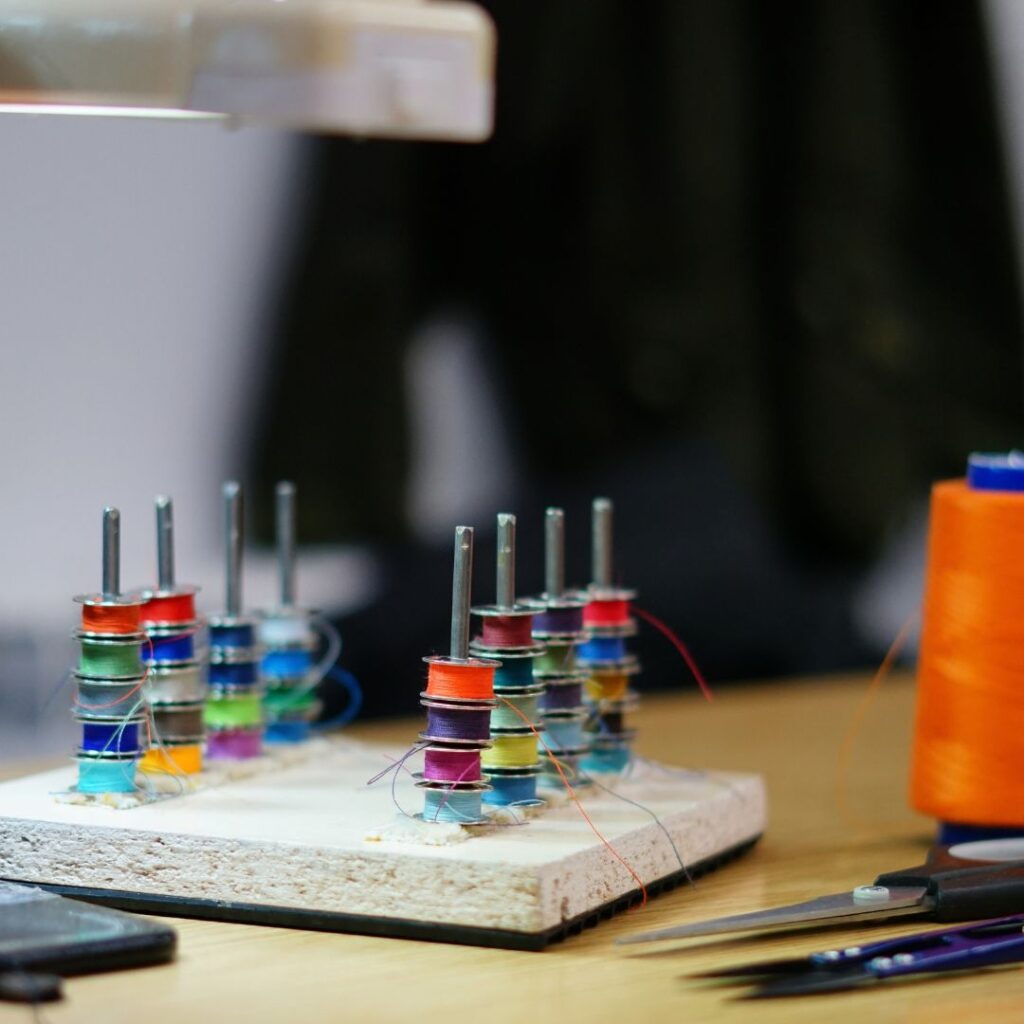
Páramo has operated its own workshop since 1999, providing repairs and alterations to extend the usable life of Páramo clothing. Garments are purposely designed with repairability in mind, rather than treating damage as a reason to replace the whole item.
The workshop can tackle everything from patch repairs to replacement zips and alterations, as well as providing professional deep cleaning.
This approach matters when we’re talking about sustainable outdoor clothing. The environmental impact of a garment isn’t only determined by how it was made. How long it stays in use matters too.
Buy for years, not for one trip
Eventually, something will need replacing. When that happens, take a little time over the decision.
It’s easy to buy for an immediate need – a particularly wet weekend away, perhaps, without thinking about whether the same piece of kit will work for the rest of your walking excursions.
Consider the conditions you encounter most often and choose accordingly. Look at durability and repairability as well as performance, and don’t assume that having the latest, new technical features automatically makes something a better choice.
Versatility helps too. A jacket that works across several seasons or a layering system you can adjust throughout the year is likely to see considerably more use than something bought for a very narrow set of conditions.
Great ethical outdoor gear should earn its place in your wardrobe for a long time.
Look beyond the sustainability label
Words such as ‘eco’, ‘green’ and ‘sustainable’ appear on plenty of products. They’re much more useful when you can see what sits behind them.
If you’re buying new outdoor clothing, look into where it was made, what chemicals and materials were/are used, whether the company offers repairs, and what happens to the garment when it eventually reaches the end of its useful life.
Páramo’s own approach covers several of those areas.
We’ve worked with the charitable Miquelina Foundation in Bogotá, Colombia since 1992. Our partnership provides training and employment to women who have faced significant social and economic challenges. Miquelina achieved guaranteed Fair Trade status from the World Fair Trade Organization in 2017, and Páramo garments manufactured there carry the WFTO Fair Trade label.
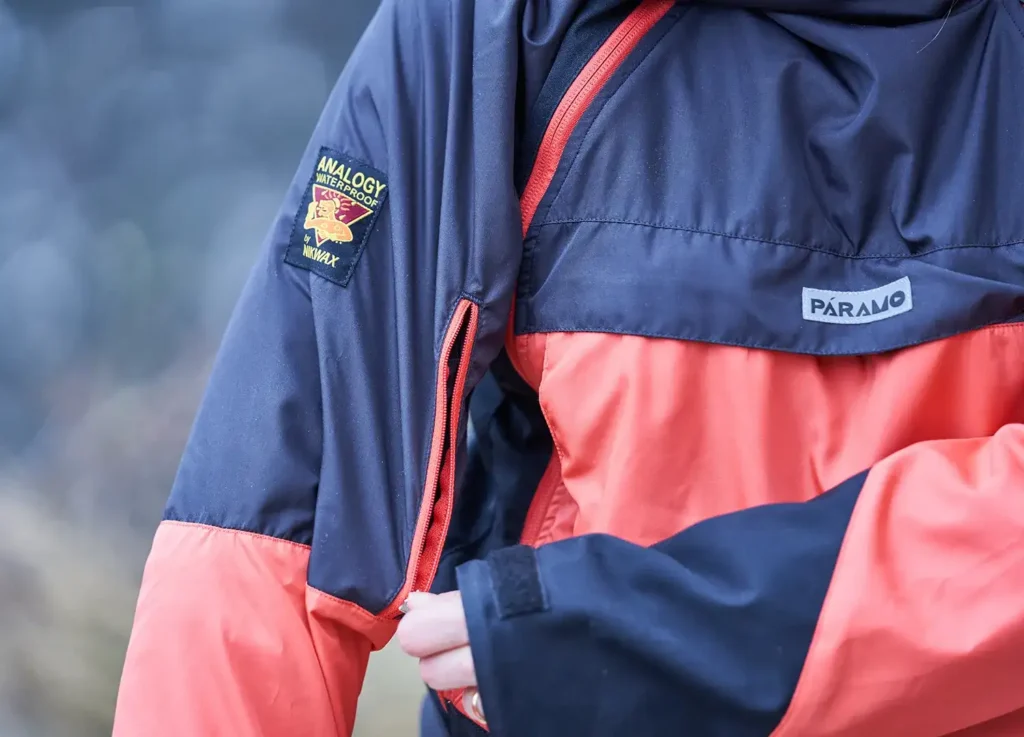
All Páramo gear has also been made without intentionally added PFAS since 2014. Its waterproof clothing uses the unique Nikwax Analogy® fabric system and does not rely on any harmful chemicals for its waterproof performance.
These are much more useful things to look for than a green label on a swing tag.
Give old outdoor clothing another life
There will eventually come a point when a piece of kit no longer works for you. That still doesn’t necessarily mean it belongs in the bin.
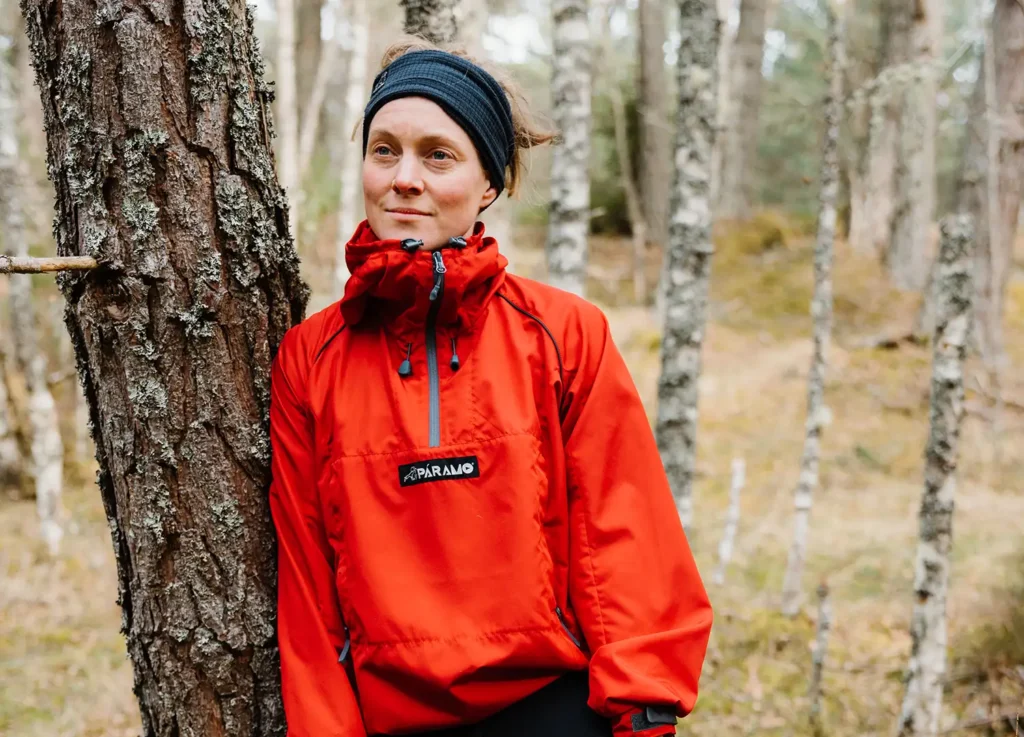
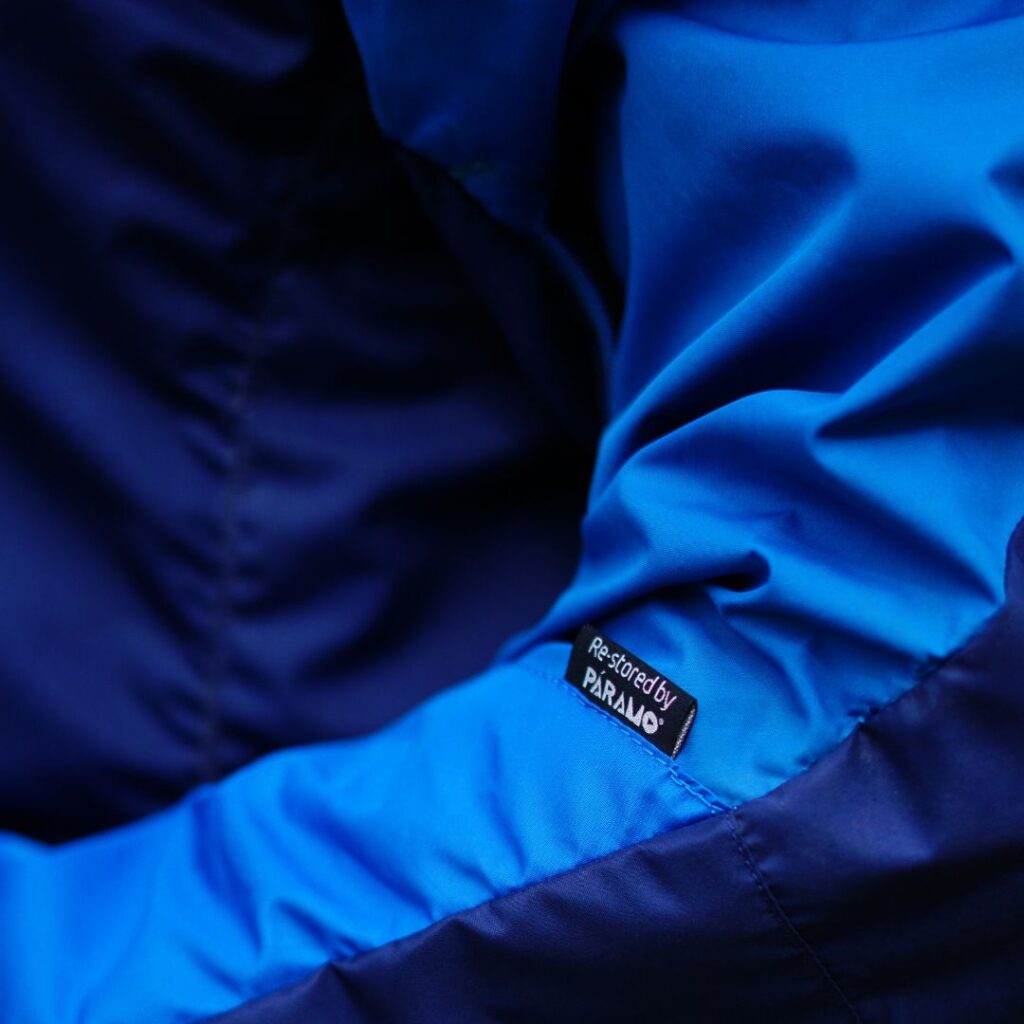
If it remains usable, selling or passing it on gives someone else the opportunity to get more wear from it. Páramo takes a similar approach through our own Recycling Scheme
Returned garments that can be refurbished are assessed, cleaned and reproofed before being sold on for another owner to use. Clothing that is beyond economical repair can instead be sent for recycling.
The construction of Nikwax Analogy® clothing helps here. Without the mixed-material membranes and taped seams found in many conventional waterproofs, its polyester can be more readily recovered. Páramo is working towards a closed-loop system in which polyester from old garments can return to new technical clothing.
That work has already moved beyond the trial stage. Chemically recycled yarn made using old Páramo clothing and textile waste has been incorporated into the Pump Liner® of the Halkon® 360 Jacket and Aspira 360 Expedition Smock.
So before throwing old walking clothing away, check whether the manufacturer has a take-back or recycling scheme. It may still have a purpose to serve.
Make the journey part of your plans
Your clothing isn’t the only part of a walking day with an environmental footprint.
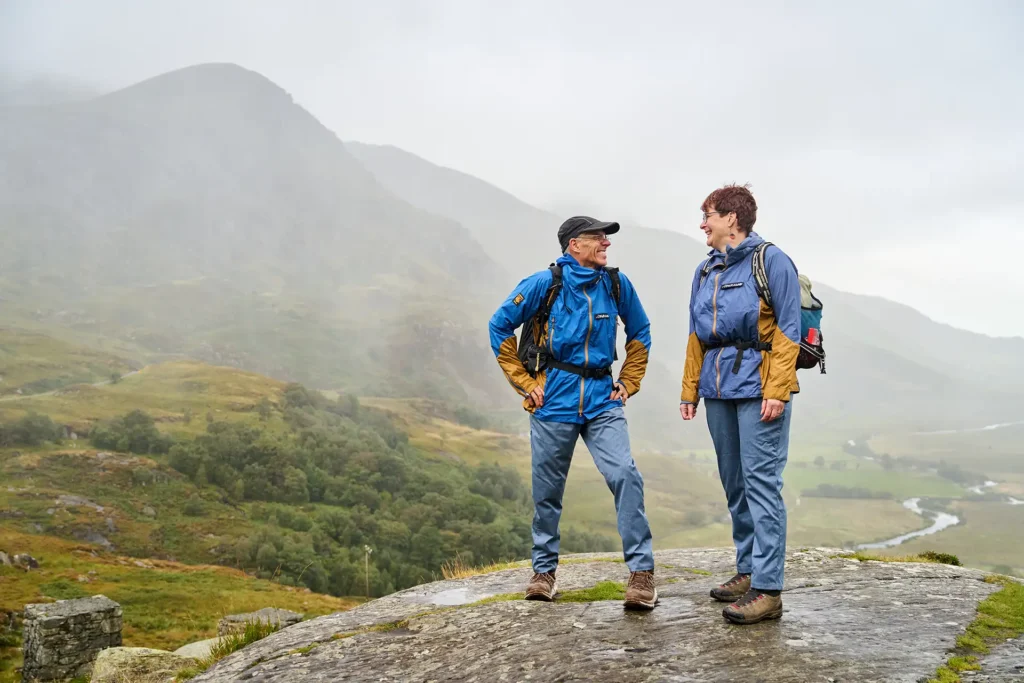
For routes that are accessible by train or bus, leaving the car at home can reduce the impact of the journey and open up different types of walks too. A linear route becomes much easier when you don’t have to finish exactly where the car is parked.
Public transport won’t be practical for every trail, particularly in more remote parts of the UK. Sharing lifts when you’re walking with friends is another simple option.
Closer to home counts as well. Not every autumn walk needs to involve travelling to a national park. Exploring footpaths and green spaces on your doorstep can uncover routes you’ve previously overlooked.
Leave the route as you found it
Some of the best eco-friendly hiking tips are also the simplest.
- Take litter home with you, including food waste and tissues.
- Stick to established paths where required, particularly across sensitive habitats
- Follow local signs and seasonal restrictions.
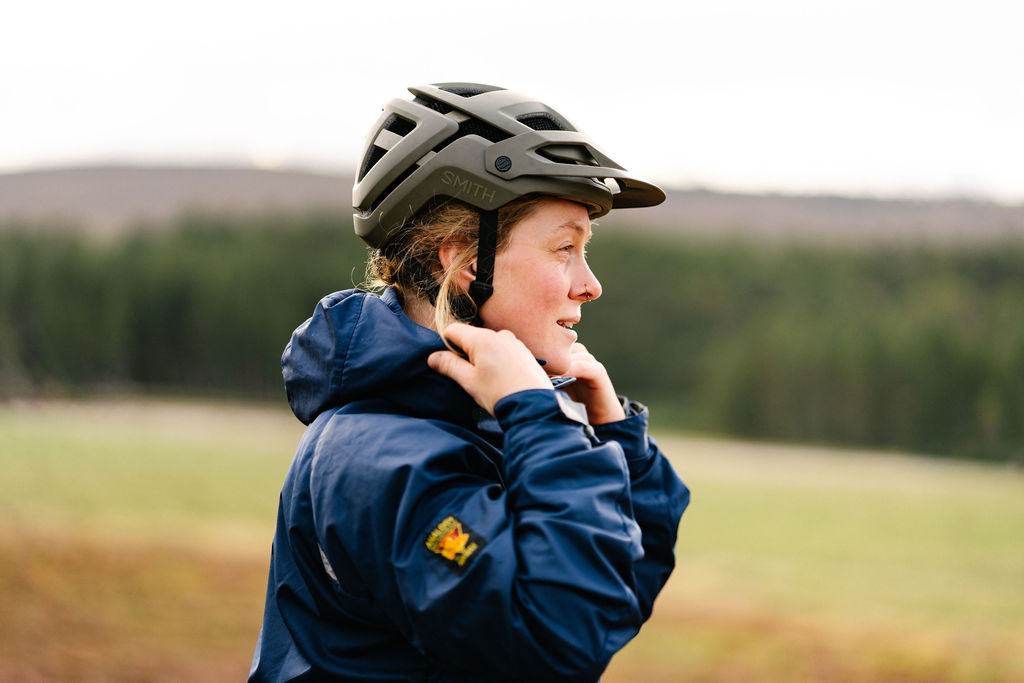
Autumn brings its own considerations. Wetter ground is more easily damaged, so cutting around muddy sections can gradually widen paths and affect surrounding vegetation. Where it’s safe to do so, following the established route rather than creating a new one helps limit that erosion.
If you’re walking with a dog, keep it under appropriate control around livestock and wildlife and always follow the rules for the area you’re visiting.
Being outdoors responsibly is largely about remembering that you’re sharing the landscape with other people, wildlife and the communities who look after it.
Support the landscapes you enjoy
Looking after the outdoors can extend beyond how you behave on the trail.
Many of the landscapes we walk through depend on conservation organisations, volunteers and local communities to protect habitats and maintain access. Supporting them might mean volunteering your time, becoming a member, donating or simply choosing local businesses when you’re visiting an area.
Páramo has worked with conservation charity the World Land Trust since 2007. Alongside balancing its calculated primary carbon emissions through the charity’s Carbon Balanced Programme, Páramo and its sister company Nikwax make a matching donation to the World Land Trust Action Fund, which supports urgent conservation projects.
It’s one example of looking beyond the impact of the product itself and considering the places outdoor clothing help us enjoy.
A more sustainable autumn outdoors
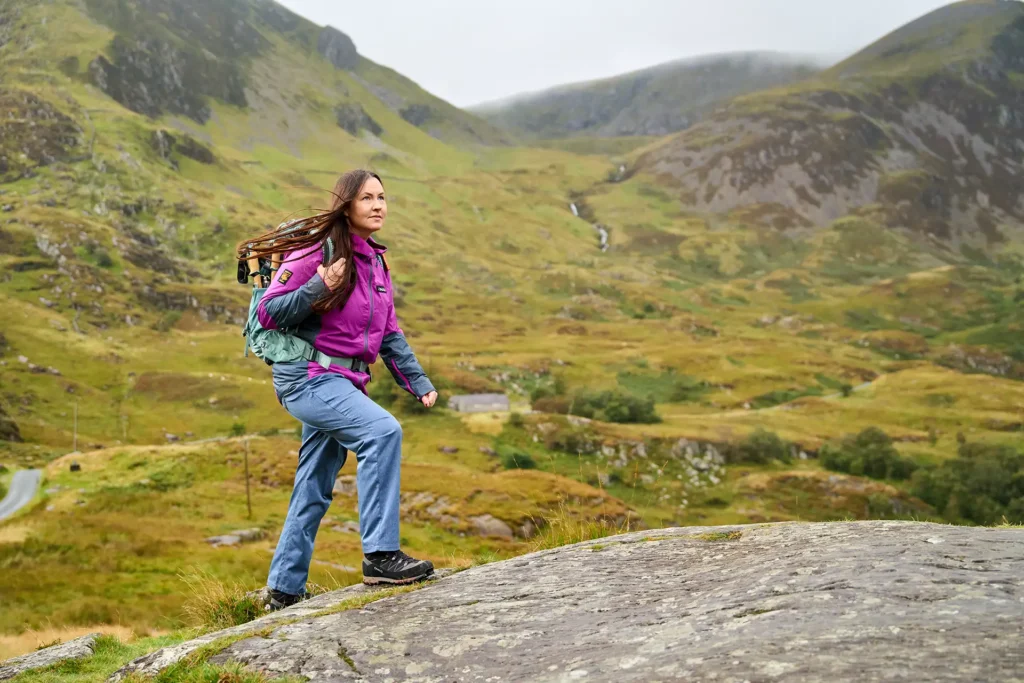
You don’t have to change everything about the way you hike to make better choices.
Use your existing kit for longer. Look after it properly and repair it when something goes wrong. When you do need something new, ask a few more questions about where it came from and how long it’s likely to last.
Then give the same thought to how you travel and how you treat the places you visit.
None of those changes are particularly dramatic. But collectively, they can help reduce the impact of spending time in the landscapes we head outdoors to enjoy in the first place.t.
FAQs: Sustainable Autumn Hiking
How can I make hiking more eco-friendly?
Start with the things you already control. Use and maintain your existing outdoor kit for as long as possible, repair rather than replace where you can, avoid leaving waste behind, and consider public transport or car sharing for suitable routes.
What should I look for when buying sustainable outdoor clothing?
Look beyond general sustainability claims. Consider how and where a garment is made, its durability, whether it can be repaired, the chemicals used in its manufacture, and whether there is a responsible option for reuse or recycling at the end of its life.
Is repairing outdoor clothing more sustainable than replacing it?
If a garment can be successfully repaired and continue performing as intended, extending its useful life avoids unnecessarily replacing something that still has years of use left. Check whether the manufacturer offers a specialist repair service before writing damaged technical clothing off.
What can I do with old Páramo clothing?
Páramo’s Recycling Scheme accepts all Páramo garments except underwear. Where possible, returned clothing is refurbished for reuse. Garments beyond economic repair are sent for specialist recycling, helping to keep the material in use rather than sending the entire garment to landfill.
Is Páramo clothing Fair Trade?
Páramo has manufactured clothing in partnership with the Miquelina Foundation in Colombia since 1992. Miquelina achieved guaranteed Fair Trade status from the World Fair Trade Organization in 2017, and all Páramo garments manufactured there carry the WFTO Fair Trade label.