
 Find a Store


Layering for Cold: Base, Mid & Outer Layers
Getting your clothing right for a winter walk can be tricky. You leave the house feeling cold, warm up within the first twenty minutes, then find yourself reaching for another layer as soon as you stop.
It’s a familiar pattern, particularly in the UK, where winter conditions can change throughout the day.
The solution isn’t necessarily to wear more clothing. It’s to understand how to combine your layers and, importantly, when to adjust them.
So let’s look at how to build a practical winter layering system and adapt it to the conditions.
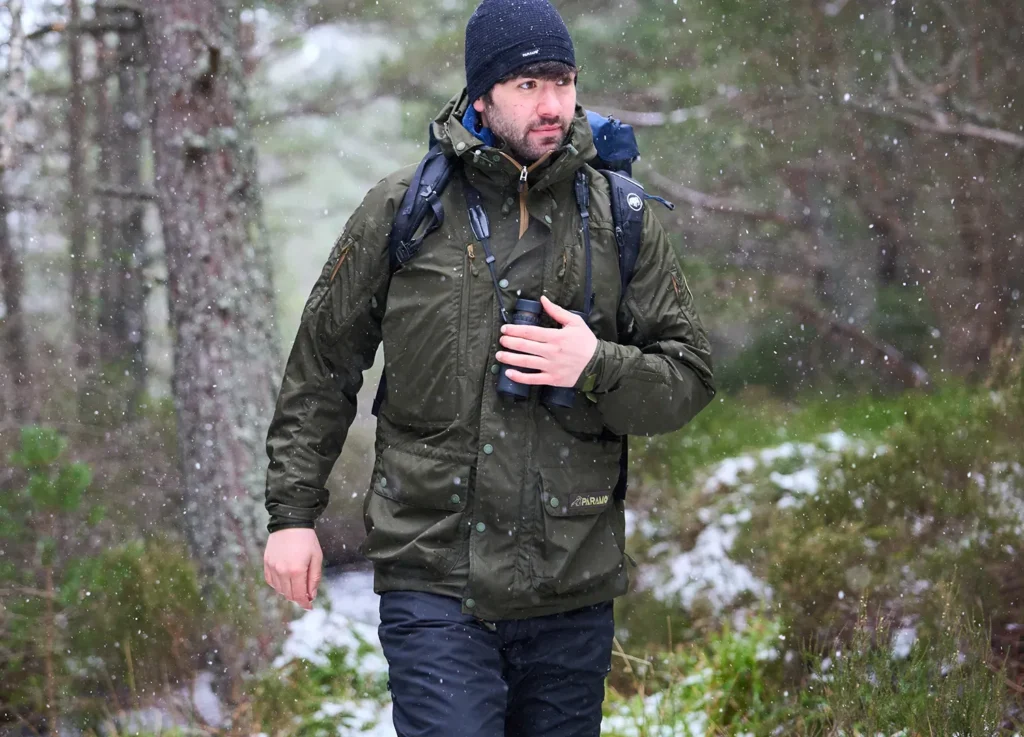
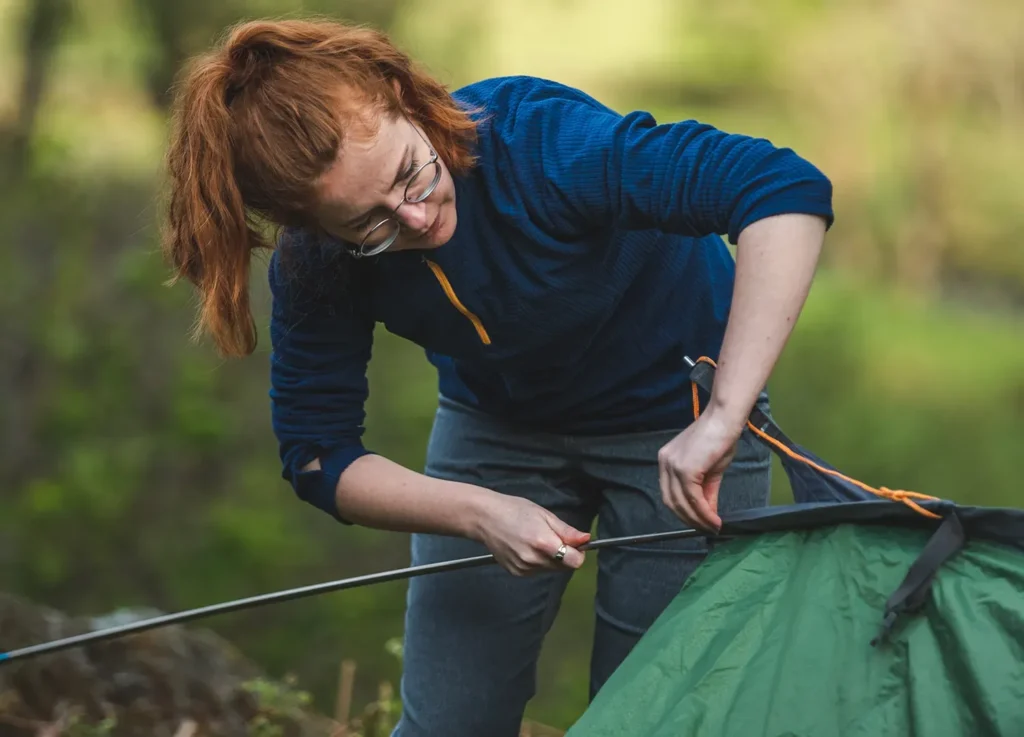
How to layer for winter walking in the UK
A traditional winter layering system has three parts: a base layer, an insulating mid layer, and a protective outer layer.
Each serves a different purpose, but you don’t necessarily need to wear all three at once.
The most effective approach is to start with the clothing you need for your activity level, then adjust it as your body temperature and the weather change.
The basic approach:
- Add warmth before you cool down during rest stops.
- Start with a moisture-managing baselayer next to your skin.
- Add insulation if the temperature or your activity level calls for extra warmth.
- Wear a protective outer layer when you need protection from wind or rain.
- Use ventilation or remove insulation as you warm up.
Start with the right baselayer
Your baselayer should be the first thing you put on, directly against your skin.
Its main purpose is to manage perspiration. Even in cold weather, walking generates heat and moisture, particularly when you’re moving uphill or maintaining a faster pace.
If that moisture remains against your skin, you may start to feel cold when you slow down.
A baselayer helps move moisture away from your skin while providing a comfortable foundation for the rest of your clothing.
Choose: A close-fitting baselayer that allows you to move freely. It shouldn’t be restrictive, but it needs sufficient contact with your skin to manage moisture effectively.
Avoid: A cotton T-shirt underneath. Cotton retains moisture, which can leave you feeling damp and uncomfortable as your body temperature changes.
The Páramo Grid Technic Baselayer: How to wear it
Páramo’s Grid Technic Baselayer is designed to provide flexible temperature regulation. Its Parameta® G fabric has a grid construction that allows air to circulate when worn on its own. When combined with another layer, the grid traps warm air to provide additional insulation.
This makes it particularly useful for winter walking, where your temperature can change significantly between more demanding sections and periods of lower activity.
On a milder winter day, wear the Grid Technic Baselayer underneath your waterproof jacket, using ventilation as your activity increases. In colder conditions, add insulation when needed, particularly if you’re walking at a slower pace or stopping regularly.
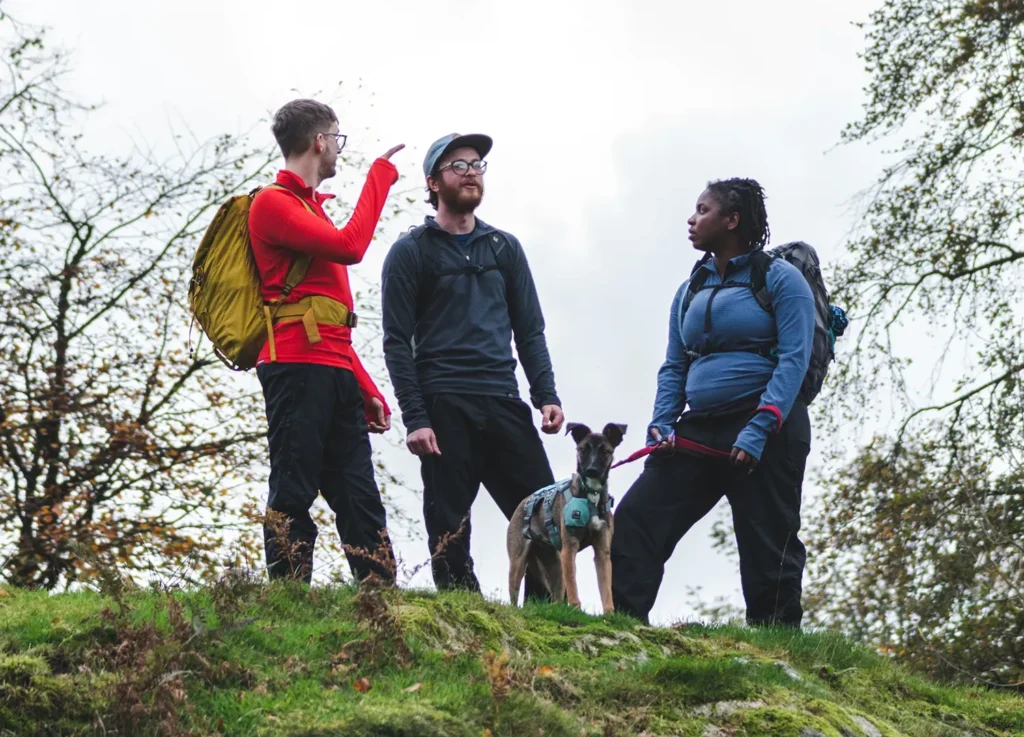
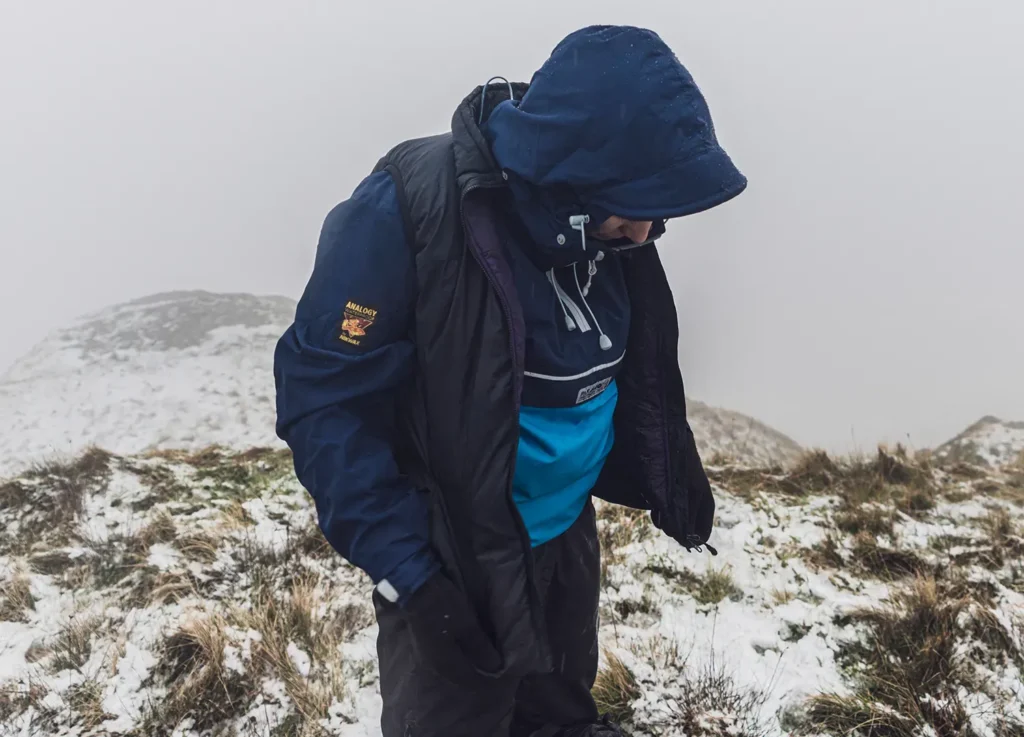
Add insulation when you need it
Your insulated mid-layer provides additional warmth by helping retain the heat your body produces.
However, one of the most common winter layering mistakes is putting on too much insulation before you’ve started moving.
A thick fleece or insulated jacket might feel comfortable while you’re getting ready, but it can quickly become too warm once you’re walking at a steady pace.
Instead, think about when you’re likely to need additional insulation.
When to add a mid layer:
- Before setting off if conditions are particularly cold.
- When you’re walking at a slower pace and generating less heat.
- Before stopping for a break, particularly in exposed conditions.
- When temperatures drop, or you begin to feel cooler.
When to remove it:
If you’re becoming noticeably warm or start to sweat, consider removing your insulating layer or adjusting your clothing’s ventilation.
Managing excess heat early can help prevent moisture building up inside your clothing.
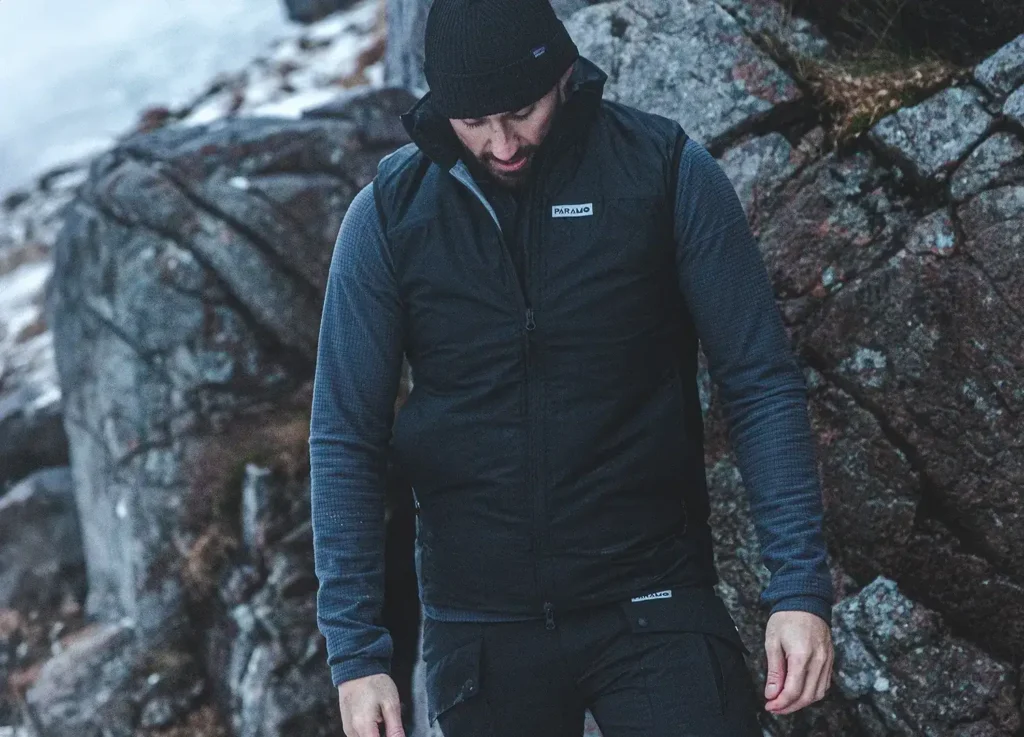
When to add a Páramo Torres Medio Gilet
An insulated gilet is a useful alternative to a full insulated jacket when you want additional core warmth without adding bulk around your arms.
The Páramo Torres Medio Gilet provides lightweight insulation for use when temperatures fall or activity levels decrease. It’s particularly useful during rest stops, when your body generates less heat, and you can cool down quickly. Designed to be worn over your waterproof jacket, it allows you to add warmth without removing your outer layer or exposing yourself to the elements.
Choose your outer layer for the conditions
Your outer layer provides protection from wind and rain, but it also needs to work with the clothing underneath it.
During winter walking in the UK, a waterproof jacket is often essential. However, waterproof protection alone isn’t enough if perspiration becomes trapped inside your clothing.
The aim is to stay protected from external moisture (rain) while managing the heat and perspiration generated during activity.
Using your outer layer effectively
Before setting off, consider the forecast and how demanding your walk will be.
If conditions are wet or windy, wear your protective outer layer from the start. If it’s dry and relatively mild, you may be more comfortable packing it until needed.
As you warm up, use available ventilation to release excess heat. This can help you regulate your temperature without having to stop and remove your jacket.
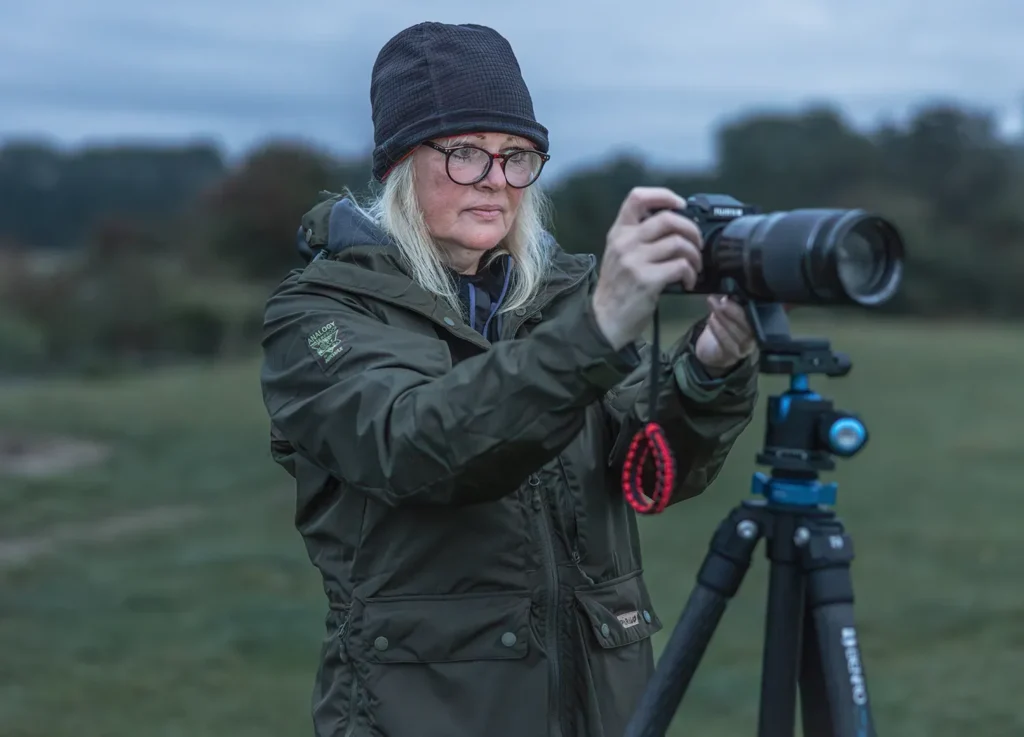
How to layer with a Nikwax Analogy® jacket
Páramo’s Nikwax Analogy waterproof system offers a different approach to moisture management.
Rather than relying solely on moisture vapour passing through a membrane, its directional fabric system actively moves liquid moisture away from your body.
Jackets such as the Alta III, Cascada and Halkon® use Nikwax Analogy technology to provide waterproof protection, moisture management and insulation in one garment.
Because Nikwax Analogy jackets provide both waterproof protection and insulation, you may not need a separate mid-layer during active winter walking.
Start with your Grid Technic Baselayer beneath your jacket and use the jacket’s ventilation features as you warm up. If temperatures drop or you’re stopping for a break, add extra insulation, such as a Torres Medio Gilet, over your jacket.
This gives you a flexible layering system that can be adjusted without repeatedly needing to remove your waterproof outer layer

Adjust your layers as you walk
Choosing the right clothing before you leave is important, but knowing when to make adjustments is just as useful

Your body temperature will change depending on the terrain, weather, and how quickly you’re moving.
Rather than waiting until you’re uncomfortable, try to anticipate these changes.
Before a demanding uphill section
Open ventilation or remove unnecessary insulation before starting the climb. This can help reduce excessive sweating and moisture build-up.
When walking on flatter ground
Adjust your ventilation and consider adding insulation if you’re no longer generating enough warmth.
Before stopping for a break
Add an insulating layer before you become cold; a gilet is particularly useful here because it provides extra warmth without requiring a complete change of clothing.
When the weather changes
If rain or wind increases, make sure your protective outer layer is correctly adjusted.
Close exposed openings, adjust your hood and cuffs, and check that your clothing is providing the protection you need.
The aim is to make small adjustments throughout your walk rather than waiting until you’re too hot or too cold.
Adapt your layering system to the weather
There isn’t one combination of clothing that works for every winter walk.
| Winter conditions | Suggested layering approach |
| Mild and wet | Grid Baselayer and Nikwax Analogy waterproof jacket. Use ventilation as your activity increases. |
| Cold and dry | Grid Baselayer with suitable insulation and wind protection where needed. |
| Cold, wet and windy | Grid Baselayer and Nikwax Analogy jacket, adding a Torres Medio Gilet when additional warmth is required. |
| Very cold with frequent stops | Grid Baselayer, protective outer jacket and additional insulation available for periods of lower activity. |
These are examples rather than fixed rules. Your ideal combination will depend on how warm you naturally run, your walking pace and the specific clothing you’re wearing.
The important thing is to choose layers that work together and give you enough flexibility to respond to changing conditions.
Do you always need three layers for winter walking?
Not necessarily; the clothing you choose and your activity level will determine how much insulation you actually need.
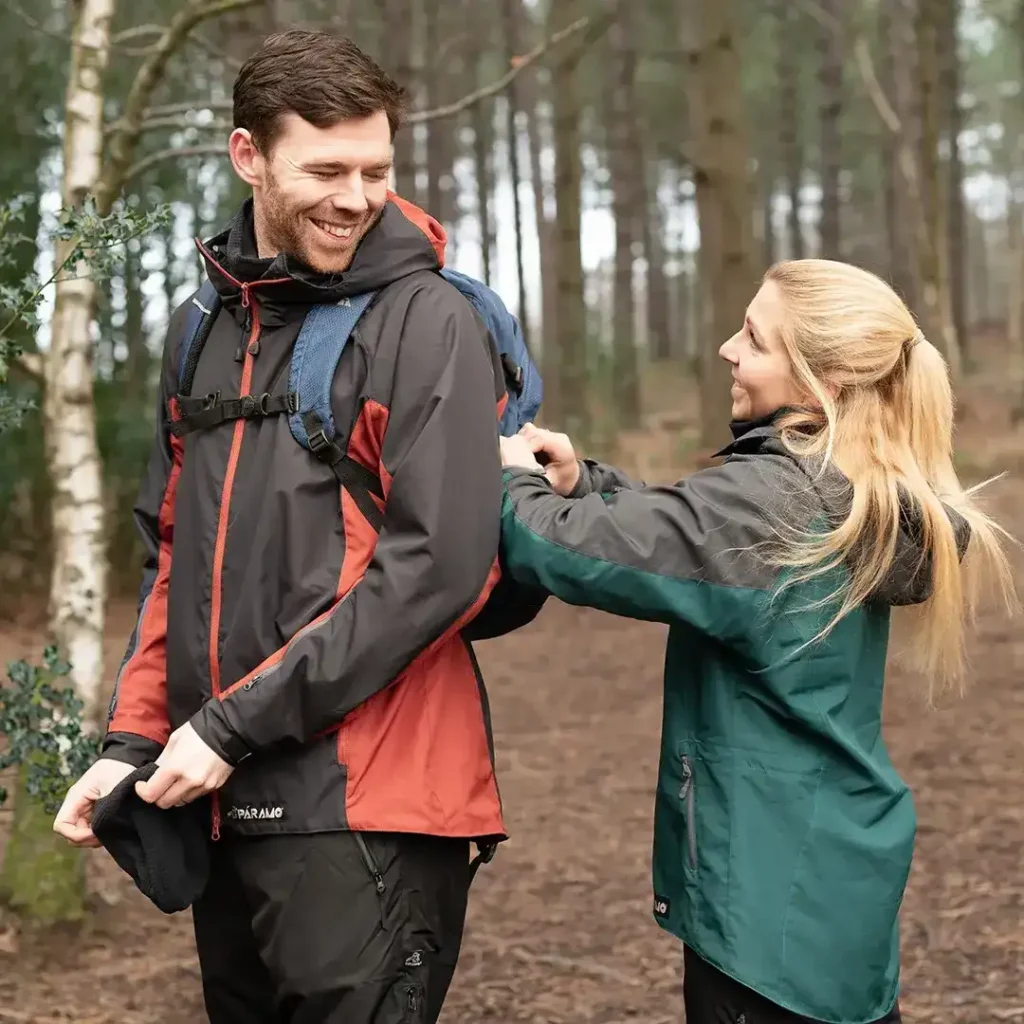
For example, a Grid Baselayer and Nikwax Analogy waterproof jacket may provide sufficient warmth during active winter walking, without an additional fleece or insulated mid-layer.
The key is flexibility. Carry additional insulation for colder conditions or rest stops, and adjust your clothing as your body temperature changes.
The best winter layering system isn’t necessarily the one with the most layers. It’s the one that keeps you comfortable throughout your walk.
Explore Páramo’s range of baselayers, insulators, and Nikwax Analogy waterproof jackets to find the right combination for your winter walks.
Make winter layering work for you
Effective winter layering isn’t about following a rigid formula. It’s about understanding how your clothing system works and knowing when to make adjustments.
Start with a baselayer that manages moisture, choose insulation appropriate to your activity and use an outer layer that protects you from the weather.
Most importantly, pay attention to how your body temperature changes as you walk.
By making small adjustments along the way, you can stay more comfortable in the cold without carrying or wearing unnecessary layers.

FAQs: winter layering
What order should I wear layers for winter walking?
Start with a moisture-managing baselayer against your skin. Add an insulating mid-layer if you need extra warmth, followed by a protective outer layer when conditions require it. Some insulated garments, including suitable Páramo Insulators, can also be worn over your waterproof jacket for additional warmth.
Should I wear a fleece under my waterproof jacket?
Only if you need the extra insulation. If your waterproof jacket already provides warmth, you may not need a fleece during active walking. Consider your activity level, the temperature, and the insulation provided by your outer layer.
How do I stop sweating when walking in winter?
Some perspiration is normal during exercise, even in cold weather. The aim is to manage it by choosing moisture-managing clothing, avoiding excessive insulation, and adjusting ventilation as your activity level increases.
When should I put on an insulated mid-layer?
Add insulation when you need extra warmth, particularly before rest stops, during slower walking or when temperatures fall. Try to make adjustments before you become uncomfortably cold.
Is it better to wear several thin layers or one thick jacket?
Several adaptable layers generally offer greater flexibility because you can adjust them as conditions change. However, the number of layers matters less than how effectively your clothing manages moisture, insulation, and weather protection.


